How Zankou Chicken turned a Beirut recipe into a Los Angeles institution
From a family restaurant in Beirut to bowls of rotisserie chicken and garlic sauce across Los Angeles, the story stays close to home.
ZANKOU CHICKEN STAFFTurn your social into search
We turn your posts into editorial stories that bring new search traffic to zankouchicken.com. Three of yours will be on this page.
Book a demo
zankouchicken Today’s Best US Based Armenian Business is @zankouchicken Zankou Chicken, a Los Angeles based Armenian American restaurant chain founded by the Iskenderian family. What began as a small family restaurant in Beirut in 1962 later grew into one of Los Angeles’ most beloved food destinations after expanding to the U.S. in 1984. Known for its traditional Armenian Mediterranean flavors, famous rotisserie chicken and signature garlic sauce, Zankou Chicken represents Armenian heritage, family traditions and the success of Armenian American entrepreneurship.
From a family restaurant in Beirut to bowls of rotisserie chicken and garlic sauce across Los Angeles, the story stays close to home.
ZANKOU CHICKEN STAFFHow it works
Same as today. Nothing changes on Instagram.
We turn your post into a full story in your voice within the hour.
One click publishes it to zankouchicken.com. Nothing goes live without you.
Your stories
Nothing was published anywhere. You decide that. Every word will come from your own posts, your own photos and your own menu.
Armenian Los Angeles · From your post
From a family restaurant in Beirut to bowls of rotisserie chicken and garlic sauce across Los Angeles, the story stays close to home.
“Today’s Best US Based Armenian Business is @zankouchicken Zankou Chicken, a Los Angeles based Armenian American restaurant chain founded by the Iskenderian family. What began as a small family restaurant in Beirut in 1962 later grew into one of Los Angeles’ most beloved food destinations after expanding to the U.S. in 1984. Known for its traditional Armenian Mediterranean flavors, famous rotisserie chicken and signature garlic sauce, Zankou Chicken represents Armenian heritage, family traditions and the success of Armenian American entrepreneurship.”
First Bite · From your post
One tray, one whole chicken, and every side on the menu tells you more about the meal than any description could.
“can’t believe it took me this long to try one of LA’s most iconic food spots @zankouchicken 😭🍗 i’ll be back VERY SOON #ZankouPartner #mukbang #eating #lafoodie #mediterraneanfood”
From your post
One social post becomes another searchable entry point to Zankou Chicken.
Our own magazine. Clicks and citations from Google Search Console, as of September 15, 2026.
Draft story for zankouchicken.com · Armenian Los Angeles
From a family restaurant in Beirut to bowls of rotisserie chicken and garlic sauce across Los Angeles, the story stays close to home.
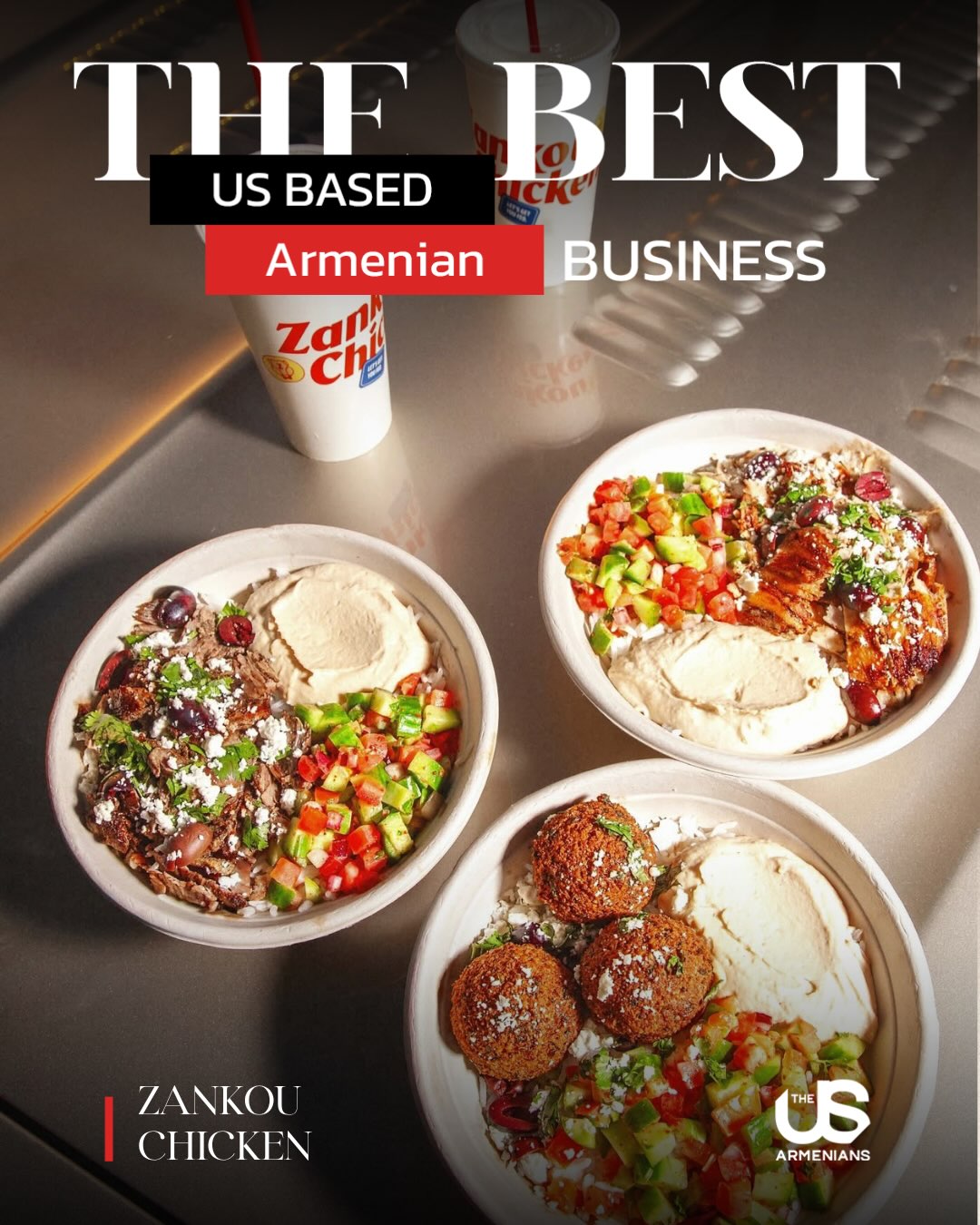
Three bowls on a metal counter tell you most of what you need to know. Hummus spread wide as a base, shredded beef and rotisserie chicken piled on top, tomatoes and cucumbers diced small, pomegranate seeds scattered for color, crispy falafel stacked on the last one. Two soda cups sit behind them, straws bent, the logo repeated on each. It is a simple setup that says everything about how the food is built.
The name behind those bowls carries more history than a menu can hold. Zankou Chicken started as a small family restaurant in Beirut in 1962, opened by the Iskenderian family. It stayed a family operation as it moved continents, arriving in the United States in 1984 and settling into Los Angeles, where it became one of the city's steady, well known food stops rather than a passing trend.
What makes the food recognizable is not complexity. It is the rotisserie chicken, cooked simply and consistently, paired with a garlic sauce that has become the thing people mention first. Add hummus, tabbouleh style vegetables, and warm bread, and you have a plate built on Armenian Mediterranean tradition rather than trend driven menu design. The bowls in front of you now are really just a modern format for that same base.
That format matters because it makes the food easy to build around. A hummus bowl can carry beef one day and chicken the next, falafel for someone eating differently, pomegranate seeds adding brightness without changing the core flavors underneath. The garlic sauce ties all of it together no matter which protein sits on top, which is part of why the format works as well in a paper bowl as it did on a plate.
None of this exists without the idea of family running it. The Iskenderian family did not franchise out a concept and step back. They kept building the same kitchen logic that started in Beirut, carrying it across an ocean and then across a city, restaurant by restaurant, without losing the specific things that made the food recognizable in the first place: the chicken, the sauce, the way the vegetables are cut.
That kind of continuity is rare in restaurant growth. Most chains change as they expand, smoothing out details to make production easier. Zankou Chicken's version of growth kept the family structure intact, which is part of why the food still reads as homemade even at scale. The bowls prove it. Nothing on them looks manufactured. Everything looks like it was assembled by hand, because it was.
Being recognized as a leading Armenian American business is less about a single dish and more about what that dish has come to represent. Zankou Chicken stands in for a specific kind of success story: a family recipe that survived relocation, rebuilding, and decades of running a restaurant business in a new country without losing its shape. The garlic sauce is the detail people remember, but the family behind it is the actual story.
Set two soda cups and three bowls on a counter and you get a small, honest picture of that story. Rotisserie chicken next to shredded beef next to falafel, hummus underneath all three, pomegranate seeds scattered like punctuation. It is not a fancy presentation. It does not need to be. The food has already done the work of representing where it came from and how far it has traveled since 1962.
Draft story for zankouchicken.com · First Bite
One tray, one whole chicken, and every side on the menu tells you more about the meal than any description could.
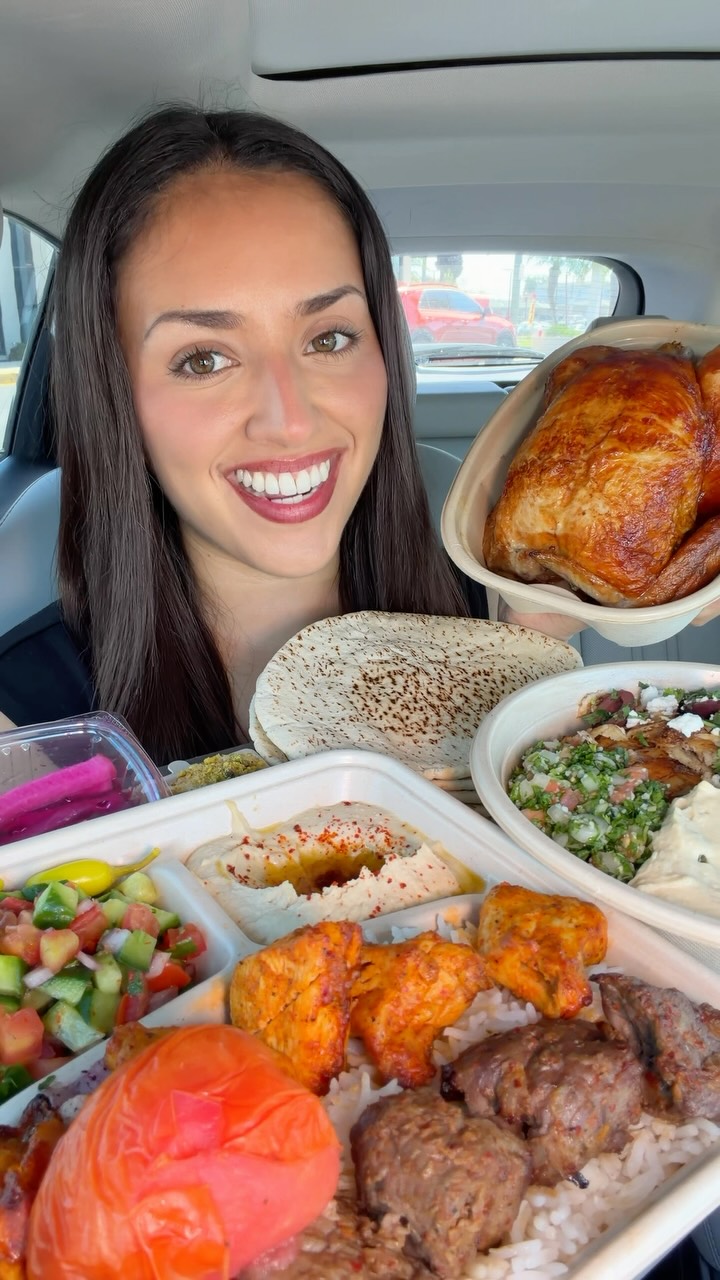
The order comes together fast, which is part of the point. A whole roasted chicken in its own container, a stack of warm pita underneath it, and a compartment tray carrying rice, skewered chicken, kebab, hummus, tabouli, and a small mountain of pickled turnips on the side. It is a lot to balance, and that is exactly how it is meant to be eaten.
There is no single center of the plate here. The whole chicken gets its own box because it stands on its own, skin dark and blistered from the roaster, meant to be pulled apart by hand or folded into the pita stacked beside it. Everything else on the tray exists to be mixed with it, not to compete with it.
The compartment tray is where the real work happens. Rice sits under charbroiled chicken skewers on one side and kebab on the other, both close enough to the hummus and garlic sauce that a bite naturally picks up more than one element. Nothing on this tray is designed to be eaten in isolation, and the layout makes that obvious before the first bite happens.
Tabouli sits bright green in its own corner, parsley heavy and cut fine, next to a swipe of hummus finished with a dusting of paprika and a pool of olive oil. A small container of diced cucumber and tomato adds another texture entirely, cool and raw against the warmth of everything else on the tray.
Then there are the pickled turnips, that deep pink color coming entirely from the beets they are cured with, sitting sharp and vinegary against the richness of the roasted chicken and grilled meats. A whole tomato on the side, blistered and soft, rounds out the tray as something meant to be eaten with your hands, in whatever order makes sense to you.
The stack of pita is not just bread on the side. It gets used to scoop hummus, wrap pieces of chicken pulled straight off the bone, or hold a bite of kebab and tabouli together. Warm and slightly charred in spots, it is built to work as a utensil as much as a starch, which changes how the whole tray gets eaten.
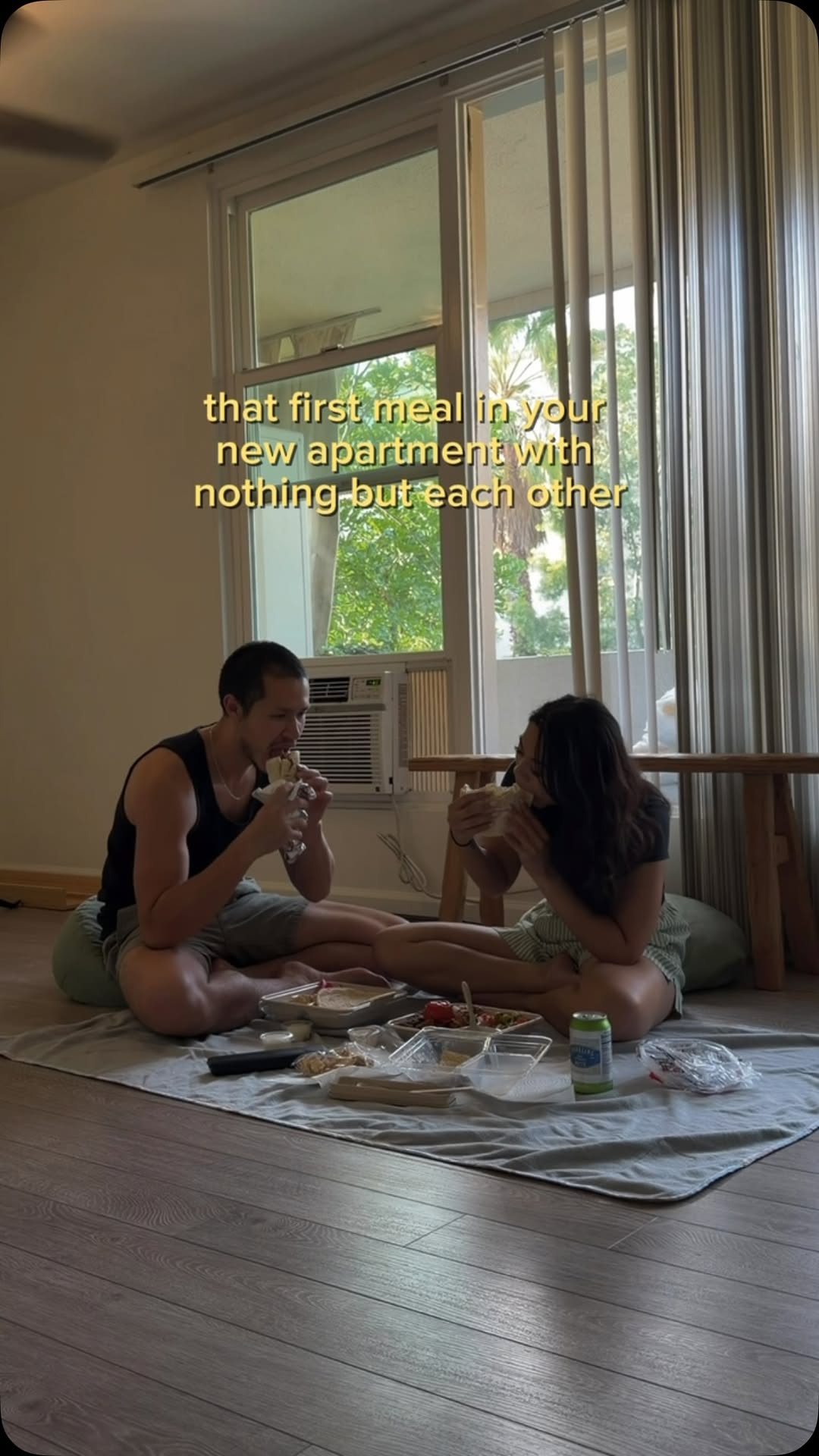
None of this requires a table. The whole spread fits in a car, on a lap, wherever the first bite happens to land, and that is part of what makes it work as a meal you can start eating the moment it is in your hands. The format is casual by design, built around speed without giving up variety.
What stands out most is how much range shows up in a single order. Roasted chicken, charbroiled chicken, kebab, rice, three or four different vegetable and dip sides, all in one sitting. It is less a single dish than a small survey of a menu, and the appeal is in how naturally it all sits together on one tray, ready before the car has left the lot.
Draft story for zankouchicken.com
Keep reading