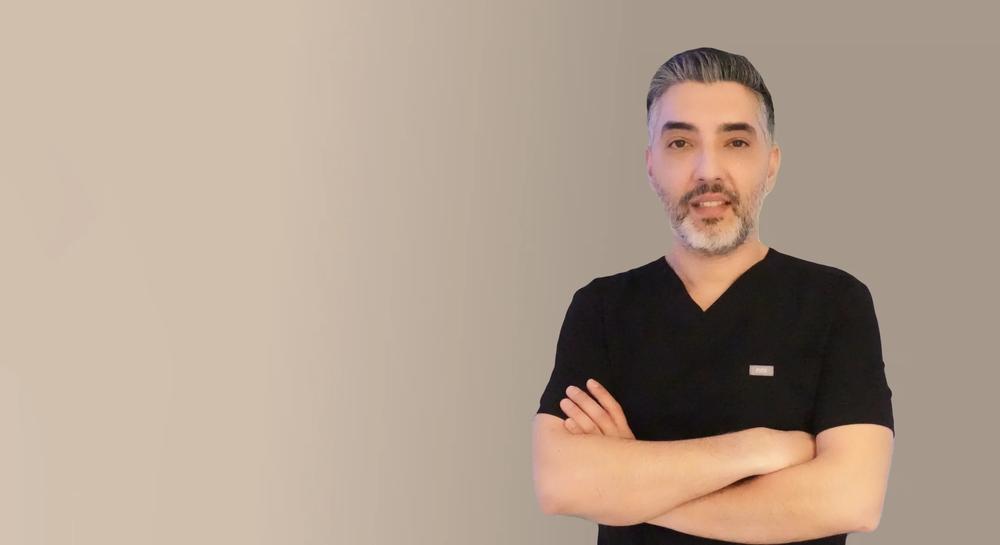
Why a fixed number of pulses does not make a skin tightening treatment work
Ultherapy, Sofwave, XERF, and radiofrequency devices only work as well as the plan behind them.
Z CENTER FOR COSMETIC HEALTH STAFFTurn your social into search
We turn your posts into editorial stories that bring new search traffic to zcosmetichealth.com. Three of yours will be on this page.
Book a demo
zcosmetichealth Aesthetic treatments shouldn’t be sold like fast food. I keep seeing promotions for skin tightening treatments based on a predetermined number of shots or pulses. Assuming every patient needs the same treatment is a problem. Energy based skin tightening treatments like Ultherapy, Sofwave, XERF, and radiofrequency devices depend on much more than simply firing a certain number of pulses. When patients receive inadequate treatment, they understandably blame the technology. But sometimes the problem was never the device. It was the provider and their treatment plan. I always determine what we are trying to accomplish first, then decide how much treatment is actually necessary to get there. I’ll say this until i’m blue in the face. The device is just a tool. It’s the provider and their expertise that delivers the result. Disclaimer. This content is for educational and informational purposes only. It does not constitute medical advice, promote the sale or use of any substance, or encourage self treatment. Any discussion of medical therapies is general in nature and should not replace consultation with a licensed healthcare professional. …………………………………………. ☎️. 818 789 5500 🌍 Website. www.zcosmetichealth.com 📩 Appointments. info@zcosmetichealth.com 📍 Location. Sherman Oaks, CA 🍒We are now offering Cherry + Allē payment plans. …………………………………………… 🧴 Shop Zadeh MD Skin. www.shopzadehmdskin.com …………………………………………… 📘 Get a copy of my book. The Master Strategist. A Physician’s Guide to Fearless Aging, Internal Health, and Spotting the Aesthetic Fakes (Link in Bio) …………………………………………………. 👤 Follow Us for More. IG/FB. @zcosmetichealth ⏰ TikTok. @zcosmetichealth ▶️ YouTube. @zcosmetichealth 📬 Email. info@zcosmetichealth.com #ultherapy #softwave #xerf #skintightening
Ultherapy, Sofwave, XERF, and radiofrequency devices only work as well as the plan behind them.
Z CENTER FOR COSMETIC HEALTH STAFFHow it works
Same as today. Nothing changes on Instagram.
We turn your post into a full story in your voice within the hour.
One click publishes it to zcosmetichealth.com. Nothing goes live without you.
Your stories
Nothing was published anywhere. You decide that. Every word will come from your own posts, your own photos and your own treatments.
Skin Tightening · From your site
Ultherapy, Sofwave, XERF, and radiofrequency devices only work as well as the plan behind them.
“Aesthetic treatments shouldn’t be sold like fast food. I keep seeing promotions for skin tightening treatments based on a predetermined number of shots or pulses. Assuming every patient needs the same treatment is a problem. Energy based skin tightening treatments like Ultherapy, Sofwave, XERF, and radiofrequency devices depend on much more than simply firing a certain number of pulses. When patients receive inadequate treatment, they understandably blame the technology. But sometimes the problem was never the device. It was the provider and their treatment plan. I always determine what we are trying to accomplish first, then decide how much treatment is actually necessary to get there. I’ll say this until i’m blue in the face. The device is just a tool. It’s the provider and their expertise that delivers the result. Disclaimer. This content is for educational and informational purposes only. It does not constitute medical advice, promote the sale or use of any substance, or encourage self treatment. Any discussion of medical therapies is general in nature and should not replace consultation with a licensed healthcare professional. …………………………………………. ☎️. 818 789 5500 🌍 Website. www.zcosmetichealth.com 📩 Appointments. info@zcosmetichealth.com 📍 Location. Sherman Oaks, CA 🍒We are now offering Cherry + Allē payment plans. …………………………………………… 🧴 Shop Zadeh MD Skin. www.shopzadehmdskin.com …………………………………………… 📘 Get a copy of my book. The Master Strategist. A Physician’s Guide to Fearless Aging, Internal Health, and Spotting the Aesthetic Fakes (Link in Bio) …………………………………………………. 👤 Follow Us for More. IG/FB. @zcosmetichealth ⏰ TikTok. @zcosmetichealth ▶️ YouTube. @zcosmetichealth 📬 Email. info@zcosmetichealth.com #ultherapy #softwave #xerf #skintightening”
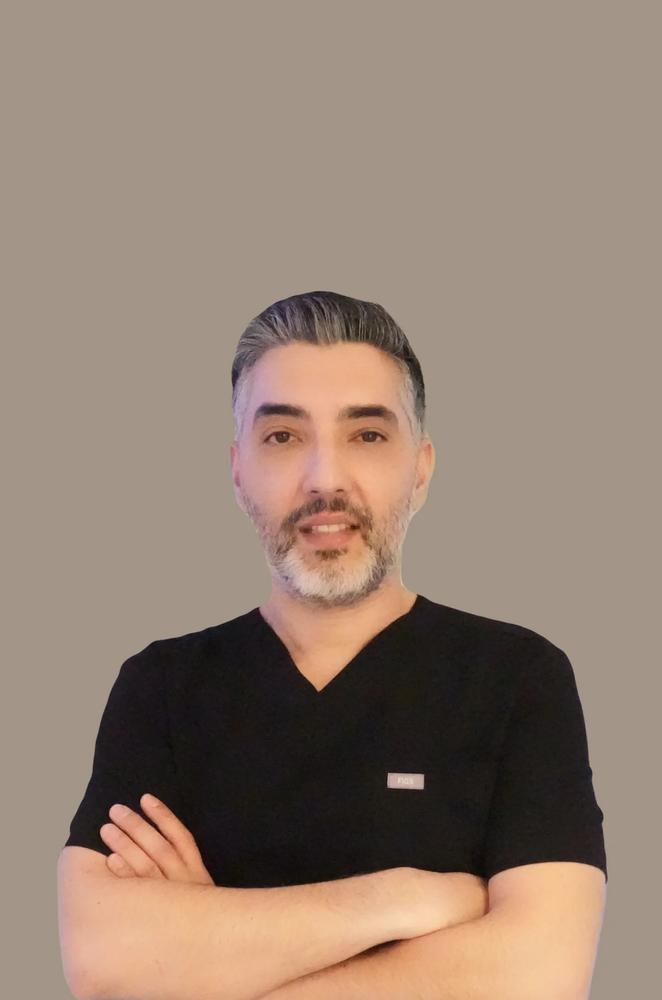
Treatment Philosophy · From your site
The number of shots tells you very little on its own. The plan behind it tells you everything.
““How many shots do I get?” It sounds like a reasonable question. But when it comes to energy based aesthetic treatments, the number by itself tells you very little. A larger treatment area may require more coverage. Different degrees of laxity may require different approaches. Placement, treatment density, energy settings, anatomy, and the desired result all matter. So I would rather have a patient ask. “What do you think I need to appropriately treat this area?” The treatment plan should determine the number of shots. The number of shots should not determine the treatment plan. And that distinction can completely change what you are actually getting for your money. Disclaimer. This content is for educational and informational purposes only. It does not constitute medical advice, promote the sale or use of any substance, or encourage self treatment. Any discussion of medical therapies is general in nature and should not replace consultation with a licensed healthcare professional. …………………………………………. ☎️. 818 789 5500 🌍 Website. www.zcosmetichealth.com 📩 Appointments. info@zcosmetichealth.com 📍 Location. Sherman Oaks, CA 🍒We are now offering Cherry + Allē payment plans. …………………………………………… 🧴 Shop Zadeh MD Skin. www.shopzadehmdskin.com …………………………………………… 📘 Get a copy of my book. The Master Strategist. A Physician’s Guide to Fearless Aging, Internal Health, and Spotting the Aesthetic Fakes (Link in Bio) …………………………………………………. 👤 Follow Us for More. IG/FB. @zcosmetichealth ⏰ TikTok. @zcosmetichealth ▶️ YouTube. @zcosmetichealth 📬 Email. info@zcosmetichealth.com #ultherapy #softwave #xerf #skintightening”
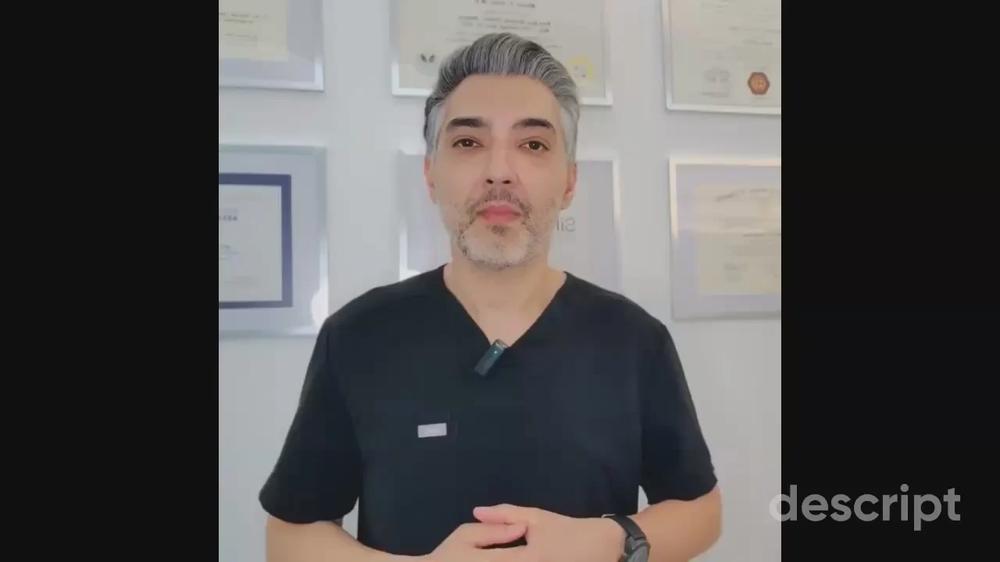
Botox dosing · From your site
A low dose spread thin is not the same thing as a natural result, and the difference comes down to matching dose to muscle.
“Low dose Botox can be great when the goal is softening, prevention, or a super natural result. But if you want a more noticeable reduction in movement, the dose has to match the muscle strength, treatment area, and desired outcome. A natural result does not mean undertreated. It means treated correctly. Disclaimer. This content is for educational and informational purposes only. It does not constitute medical advice, promote the sale or use of any substance, or encourage self treatment. Any discussion of medical therapies is general in nature and should not replace consultation with a licensed healthcare professional. …………………………………………. ☎️. 818 789 5500 🌍 Website. www.zcosmetichealth.com 📩 Appointments. info@zcosmetichealth.com 📍 Location. Sherman Oaks, CA 🍒We are now offering Cherry + Allē payment plans. …………………………………………… 🧴 Shop Zadeh MD Skin. www.shopzadehmdskin.com …………………………………………… 📘 Get a copy of my book. The Master Strategist. A Physician’s Guide to Fearless Aging, Internal Health, and Spotting the Aesthetic Fakes (Link in Bio) …………………………………………………. 👤 Follow Us for More. IG/FB. @zcosmetichealth ⏰ TikTok. @zcosmetichealth ▶️ YouTube. @zcosmetichealth 📬 Email. info@zcosmetichealth.com #naturalresults #wrinkletreatment #sprinkletox”
One social post becomes another searchable entry point to Z Center for Cosmetic Health.
Our own magazine. Clicks and citations from Google Search Console, as of September 15, 2026.
Draft story for zcosmetichealth.com · Skin Tightening
Ultherapy, Sofwave, XERF, and radiofrequency devices only work as well as the plan behind them.
We keep seeing skin tightening treatments promoted around a set number of shots or pulses, as if every patient needs the same dose to get the same result. That approach treats an energy based device like a menu item instead of a medical treatment. It skips the part that actually determines the outcome: understanding what a specific patient's skin needs before deciding how much energy to deliver and where.
Ultherapy, Sofwave, XERF, and radiofrequency devices all work by delivering energy to targeted layers of tissue, but the settings, depth, and number of passes should come from an assessment, not a package price. Assuming every patient needs the identical treatment ignores differences in skin laxity, thickness, and what someone is actually trying to accomplish. That assumption is where a lot of disappointing results start.
When someone leaves a treatment underwhelmed, it is natural to question the technology itself. We understand that instinct, but it is often misplaced. Ultherapy, Sofwave, and XERF are established tools capable of real results when used correctly. The problem usually was not the machine sitting in the room. It was the thinking, or lack of thinking, that went into how it was used on that particular patient.
A provider who fires a predetermined number of pulses because that is what the promotion promised is not building a treatment plan. They are fulfilling a transaction. The energy still gets delivered, the appointment still gets completed, but the connection between the treatment and the patient's actual goal was never established in the first place. That gap is where inadequate results come from.
Our approach starts by determining what we are actually trying to accomplish for that patient before any device is turned on. Once that goal is clear, we decide how much treatment is genuinely necessary to reach it, whether that means more energy, less energy, a different depth, or a different device entirely. The number of pulses is a byproduct of that decision, never the starting point.
This is not a small distinction. It is the difference between a treatment plan and a template. A template assumes uniformity among patients who are not uniform. A plan accounts for the specific skin in front of us, what it can realistically achieve, and what it would take to get there safely. That thinking happens before the device is picked up, not while it is running.
We will keep saying this until we are blue in the face: the device is just a tool. Ultherapy, Sofwave, XERF, and radiofrequency systems are only as effective as the judgment of the provider deciding how to use them. Two patients can receive the same device and walk away with very different results, and the difference almost always traces back to the plan, not the machine.
That is the standard we hold ourselves to at Z Center for Cosmetic Health. Before energy is ever delivered, we are asking what this specific skin needs and how much treatment actually gets there, not how many pulses fit into a promotion. The technology matters, but it has always been the expertise directing it that determines whether a patient sees the result they came in for.
Draft story for zcosmetichealth.com · Treatment Philosophy
The number of shots tells you very little on its own. The plan behind it tells you everything.
How many shots do I get. It sounds like a reasonable question to ask before any energy based aesthetic treatment. Patients want a number they can hold onto, something concrete to compare across consultations. But a shot count by itself does not tell you whether a treatment is going to work for your face, your laxity, or your goals. It tells you almost nothing at all.
A larger treatment area may simply require more coverage than a smaller one. Different degrees of skin laxity call for different approaches entirely. Placement matters. Treatment density matters. Energy settings matter. Anatomy matters. The desired result matters. Every one of these variables shapes what a treatment should actually look like, and none of them show up in a single number handed to you before that assessment happens.
We would rather a patient ask what we think they need to appropriately treat the area in front of us. That question puts the assessment first. It asks us to look at the skin, consider the laxity, and build a plan around what is actually there, rather than reverse engineering a treatment to hit a predetermined shot count someone decided on before ever examining the patient.
The treatment plan should determine the number of shots. The number of shots should not determine the treatment plan. That order matters more than it sounds like it should. Reverse it, and you get a treatment built around a marketing number instead of a face. Keep it in the right order, and the number of shots becomes a byproduct of good judgment rather than the whole sales pitch.
That distinction can completely change what you are getting for your money. A low shot count sold as a deal might undertreat a larger or more lax area, leaving results that fall short of what was hoped for. A shot count inflated for the sake of a bigger number does not automatically mean a better outcome either. The number alone cannot tell you if it is right for your anatomy.
This comes up constantly with energy based treatments like Ultherapy and SoftWave, where skin tightening depends heavily on precise placement and density rather than a flat quantity. Two patients can receive the same number of shots and walk away with very different results, because their laxity, their anatomy, and their goals were never the same to begin with. The number was never the variable that mattered most.
So before agreeing to a number, ask what that number is actually treating. Ask why that placement, that density, that energy setting was chosen for your face specifically. A provider who can answer that clearly is working from an assessment. A provider who only quotes a number before looking closely is working from a price sheet, and those are two very different starting points for the same treatment.
We think patients deserve to understand this distinction before they ever sit down for a consultation. A shot count is easy to compare. A treatment plan takes more explaining, and that is exactly why it matters more. The right question is not how many shots. It is what does this area actually need, and that is the conversation worth having before anything else.
Draft story for zcosmetichealth.com · Botox dosing
A low dose spread thin is not the same thing as a natural result, and the difference comes down to matching dose to muscle.
A number gets repeated so often it starts to sound like a rule: fifteen units, sprinkled all over the face, guaranteed to look natural. It is a tidy idea. It is also incomplete. Dosing does not work as a flat number applied evenly across different muscles. It works as a calculation, and the calculation changes depending on what that muscle is actually doing.
Low dose Botox absolutely has a place. When the goal is softening a line before it deepens, easing into treatment for the first time, or keeping expression almost entirely intact, a lighter dose spread carefully can deliver exactly that. It is a legitimate strategy with a legitimate outcome. The problem is not low dose treatment itself. The problem is expecting that same light approach to also erase movement.
Muscle strength is not uniform across the face. The muscles that furrow the brow are not the same strength as the ones that crease the outer eye, and a forehead built for heavy expression will absorb a small dose very differently than one that has always moved lightly. Treating both areas with the same fifteen units, distributed the same way, ignores that the muscles themselves were never equal to begin with.
Treatment area matters just as much as strength. Spreading a fixed amount thin across a wide area is a different plan than concentrating it where movement is strongest. Sprinkling evenly sounds gentle, but it can leave the strongest muscle fibers barely touched while weaker areas end up just as undertreated. The result is not balance. It is movement that persists in exactly the place someone was hoping to change.
Desired outcome is the third piece, and it is often the one skipped over. Someone asking for softened movement and someone asking for a noticeable reduction are not asking for the same treatment, even if they use similar language to describe it. A dose that satisfies one goal will almost always underdeliver on the other, not because anything went wrong, but because the two outcomes were never the same target.
This is where the frustration usually starts. Someone requests a specific unit count because they heard it produces a natural look, the units get placed, and weeks later the forehead still moves the way it always has. That is not a natural result. That is an undertreated one, and the two get confused constantly because both involve visible movement, just for entirely different reasons.
A natural result comes from treating the muscle correctly for its strength and for the outcome someone actually wants, not from hitting a specific number regardless of what that muscle requires. Correctly treated movement is softened on purpose. Undertreated movement is leftover, simply because the dose never matched what the muscle needed in the first place. The visual difference can be subtle, but the intention behind each is not.
None of this is a case against low dose treatment, and it is not a push toward heavier treatment either. It is a case for matching the approach to the actual muscle in front of us, rather than requesting a number because it sounds conservative or safe. The right dose is the one that fits the muscle strength, the treatment area, and what someone is actually trying to achieve, nothing more fixed than that.
Keep reading