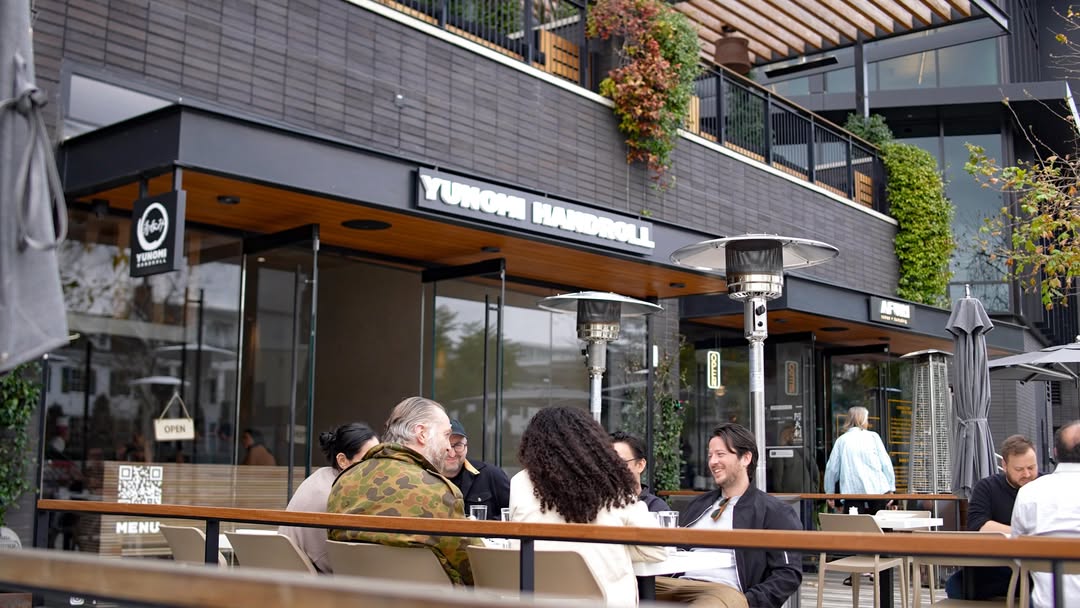
Yunomi Handroll makes a case for eating outside in Culver City
With patio seating and a full bar setup, the Culver City location gives handroll dining a little more room to breathe.
YUNOMI HANDROLL STAFFTurn your social into search
We turn your posts into editorial stories that bring new search traffic to yunomihandroll.com. Three of yours will be on this page.
Book a demo
yunomihandroll Enjoy outdoor dining or handrolls at the bar at our Culver City location ☺️ 📍DTLA Arts District 📍Toluca Lake 📍Culver City 📍Atwater Village (rolling soon) #yunomi #handroll #michelinguide
With patio seating and a full bar setup, the Culver City location gives handroll dining a little more room to breathe.
YUNOMI HANDROLL STAFFHow it works
Same as today. Nothing changes on Instagram.
We turn your post into a full story in your voice within the hour.
One click publishes it to yunomihandroll.com. Nothing goes live without you.
Your stories
Nothing was published anywhere. You decide that. Every word will come from your own posts, your own photos and your own menu.
Dining Out · From your post
With patio seating and a full bar setup, the Culver City location gives handroll dining a little more room to breathe.
“Enjoy outdoor dining or handrolls at the bar at our Culver City location ☺️ 📍DTLA Arts District 📍Toluca Lake 📍Culver City 📍Atwater Village (rolling soon) #yunomi #handroll #michelinguide”
Handrolls · From your post
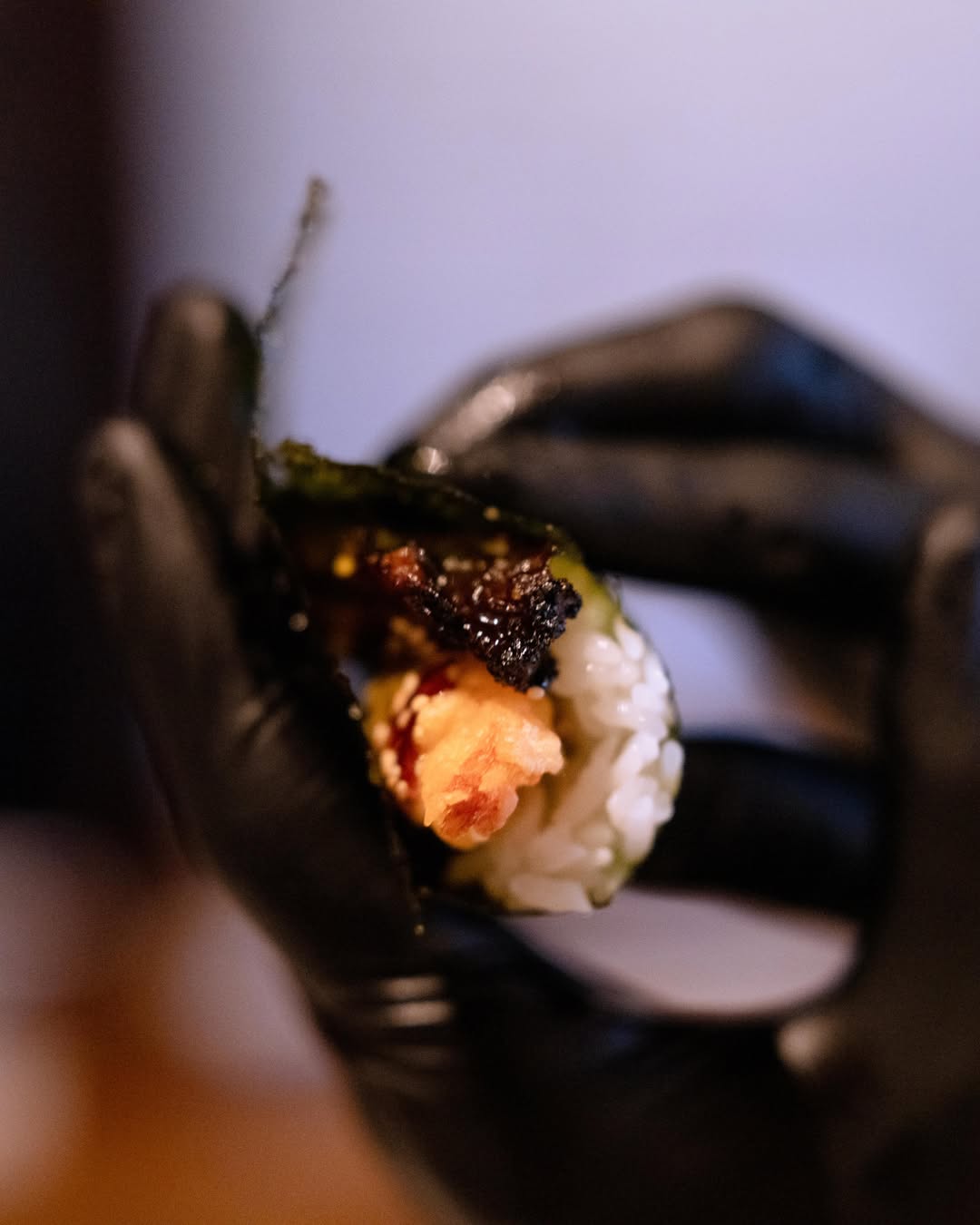
A single nori wrapped bite, held in a gloved hand, says most of what needs to be said about how we work.
“Always fresh, from hand to table 😋 📍DTLA Arts District 📍Toluca Lake 📍Culver City 📍Atwater Village (rolling soon) #yunomi #handroll #michelinguide”
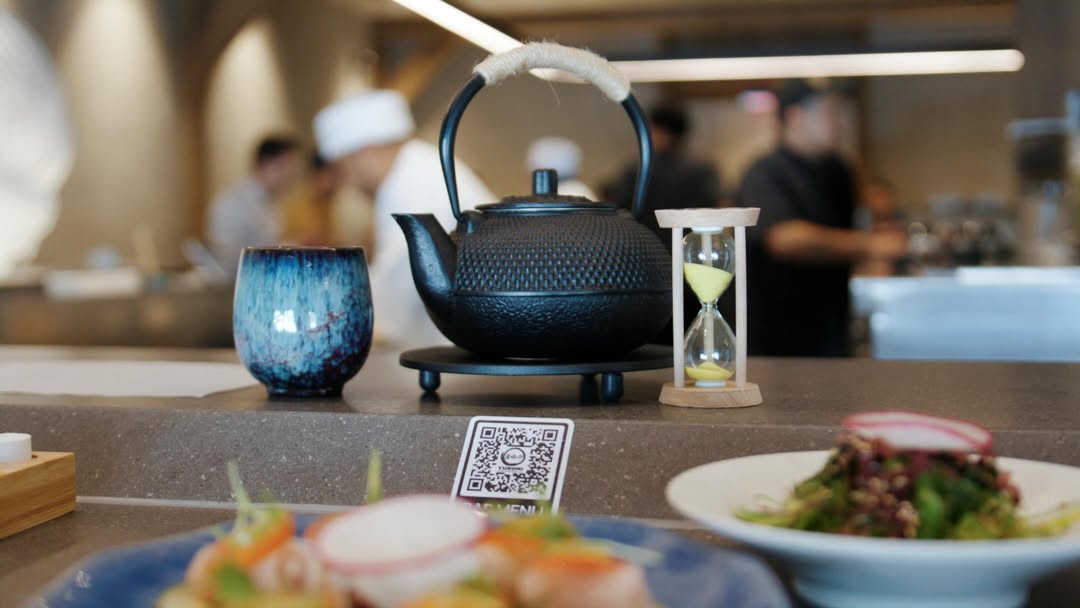
Table Setting · From your post
A cast iron teapot, a sand timer, and a QR code sum up how the counter actually works.
“This really could be you 😋 📍DTLA Arts District 📍Toluca Lake 📍Culver City 📍Atwater Village (rolling soon) #yunomi #handroll #michelinguide”
One social post becomes another searchable entry point to Yunomi Handroll.
Our own magazine. Clicks and citations from Google Search Console, as of September 15, 2026.
Draft story for yunomihandroll.com · Dining Out
With patio seating and a full bar setup, the Culver City location gives handroll dining a little more room to breathe.
There are two ways to eat at Yunomi Handroll in Culver City. One is at the bar, watching each handroll get built to order and handed over while the rice is still warm. The other is outside, at a table under the heat lamps, where the meal slows down and stretches into conversation instead of a quick seat and go.
The patio sits right along the storefront, close enough to the open door that the energy from inside carries out. Heaters line the edge of the seating area, which matters in a city where outdoor dining depends on those extra degrees once the sun drops. It is a setup built for lingering rather than rushing through a plate of handrolls.
Culver City is one of four locations, alongside DTLA Arts District, Toluca Lake, and an Atwater Village spot that is rolling soon. Each one carries the same format, but the outdoor seating in Culver City gives that format a different rhythm. Indoors, the counter is the center of attention. Outside, the neighborhood itself becomes part of the experience.
Sitting at the bar is its own kind of dining. There is no menu mystery, since watching the handroll get assembled answers most questions before they are asked. The nori goes on last, right before it reaches the hand, which keeps the texture from softening before the first bite. For anyone new to the format, the bar is the fastest way to understand it.
The bar also sets a pace. Handrolls are meant to be eaten quickly, within a minute or two of being made, so the seats closest to the action tend to move through rounds steadily. It is less a sit down dinner and more a series of small, well timed courses, which is part of why the format works so well for solo diners and groups alike.
Move outside and that pace loosens. The patio invites people to hold onto a table longer, order in waves, and treat the meal as something social rather than something efficient. With the storefront open and the heaters running, the boundary between indoor and outdoor seating barely registers, which makes it easy to choose a spot based on mood rather than convenience.
Having four locations across Los Angeles means the same handroll experience shows up in very different settings, from the density of DTLA Arts District to the quieter streets of Toluca Lake. Culver City's patio adds another variation to that mix, proving that the format holds up whether it is served at a counter or across a table with the afternoon light still out.
Draft story for yunomihandroll.com · Handrolls
A single nori wrapped bite, held in a gloved hand, says most of what needs to be said about how we work.
A handroll only has one good moment, and it is right before it gets eaten. The rice is still warm, the nori still has its snap, and whatever is tucked inside has not had time to soften or sweat. That gloved hand holding it steady is the last stop before the counter, and everything before that moment exists to protect this exact few seconds.
Look closely at what is actually inside the cone. There is a dark, glossy piece with a charred, almost lacquered edge sitting against a warm orange piece underneath, both resting on a tight seam of white rice. The green wrapper is folded so the fillings stay stacked instead of sliding, which is the whole engineering problem a handroll has to solve in one motion.
We fold each one by hand, which means it cannot be made ten minutes ahead and left waiting under a heat lamp or in a case. The gloves in that photo are not for show. They are because rice, nori, and whatever sits between them are being touched, shaped, and handed over in one continuous motion, not assembled in stages the way a plated dish usually is.
That immediacy is the entire point of the format. A handroll is not really a food you order and wait on. It is a food you order and receive almost at the same time, still slightly warm from the rice, the nori not yet given the chance to go soft. From hand to table is not a slogan here so much as a description of the actual timeline.
We run this the same way across every location, DTLA Arts District, Toluca Lake, and Culver City, with Atwater Village rolling soon. That consistency matters more for handrolls than almost any other dish, because there is nowhere for a shortcut to hide. Rice that sits too long, nori that is folded too early, a filling that has been prepped too far in advance all show up instantly in the bite.
Toluca Lake gets the same attention to timing as any of our other counters. There is no back kitchen distance here between the person rolling and the person eating. The gloved hand in front of the plain wall is essentially the last station in the process, which is a short distance by design, not by accident of space.
Nori is the part people notice least and lose first. Once it sits, it stops being crisp and starts acting like a wrapper instead of a shell, and the whole bite changes texture. That small torn edge of seaweed visible at the top of the roll is a sign it was just folded, not staged, not sitting, not waiting for the next order to catch up to it.
None of this is complicated to explain, which is sort of the point. A handroll is rice, nori, and a filling, held together for as long as it takes to get from a gloved hand to a mouth. Everything about how we run the counters, across four neighborhoods now, is built around keeping that short window as short as it is supposed to be.
Draft story for yunomihandroll.com · Table Setting
A cast iron teapot, a sand timer, and a QR code sum up how the counter actually works.
A cast iron tetsubin sits on its own trivet at the center of the counter, handle wrapped in white cord, the kind of object that looks like it has earned its place through repetition rather than decoration. Next to it, a blue speckled cup waits to be filled. This is the first thing in view before any fish arrives, and it sets the pace for everything that follows.
To the right of the teapot, a small wooden sand timer marks time in a way a phone never could. It is not a gimmick sitting there for effect. Tea steeps for a specific stretch, and the timer is how the counter tracks it without anyone needing to ask the kitchen or check a watch. Simple mechanics, doing exactly what they were built to do.
A QR code printed on a small card leans against the stone counter, positioned right between the teapot and the first plates. It reads simply as the menu, a practical hinge point between the ritual of pouring tea and the act of ordering. The placement matters. It is close enough to reach without breaking the moment the teapot and timer have already set up.
Behind all of it, the kitchen keeps moving. Cooks in white caps work at a steady pace, blurred just enough to read as motion rather than stillness, which is the point. The counter in front holds the calm objects, the tea, the timer, the QR code, while the working kitchen behind it supplies everything that eventually lands on the plate in front of the guest.
We currently seat guests at counters in the DTLA Arts District, Toluca Lake, and Culver City, three distinct rooms that each run on the same basic setup: a shared bar, a view into the kitchen, and small details like this one sitting between the two. A fourth location in Atwater Village is on the way, which means a fourth counter built around the same quiet rhythm.
The two plates edging into frame give a sense of what follows the tea. One holds pieces plated over ice with radish and citrus visible at the edges. The other is a salad built with leafy greens, thin sliced radish, and a scattering of seeds or grains across the top. Neither is the main event of this particular scene, but both make clear that food is close behind.
None of these objects are flashy on their own. A teapot, a cup, a timer, a printed code. But lined up together on a stone counter, with the kitchen working steadily in the background, they describe a version of counter dining that runs on small repeated gestures rather than spectacle. It is a setup meant to be used the same way, night after night, across every room we operate.
That repetition is really the offer here. Sit down, pour the tea, watch the sand run, scan the code, order. It is a sequence simple enough to explain in a sentence, which is exactly why it works across four different rooms in four different neighborhoods without needing to be reinvented each time. The same small objects, doing the same small job, wherever the counter happens to be.
Keep reading