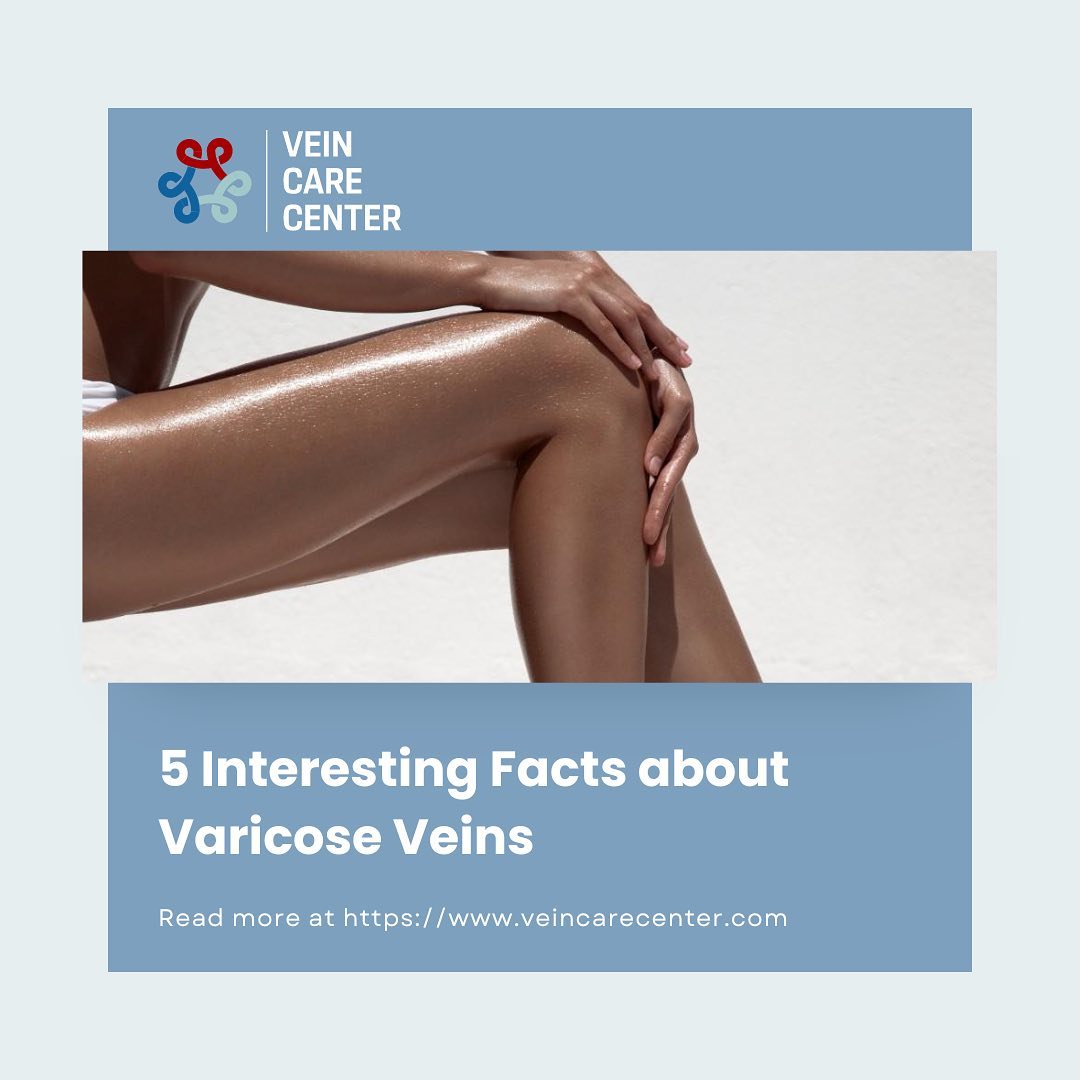
Five facts about varicose veins worth knowing before summer legs season
From who is actually affected to what compression stockings really do, here is what the history and biology of varicose veins can teach us.
VEIN CARE CENTER STAFFTurn your social into search
We turn your posts into editorial stories that bring new search traffic to veincarecenter.com. Three of yours will be on this page.
Book a demo
nycveincarecenter 🔍 Unveiling Varicose Veins. 5 Intriguing Facts! 💉🦵 Ever wondered about those veins that keep us pumping? Let's dive into the fascinating world of varicose veins! 🌍 1. Ladies First! 💃 Did you know women are almost 3 times more likely to deal with varicose veins than men? 💁♀️ But here's the twist. guys tend to seek help when things get intense. 🙋♂️ Ladies, risk factors like pregnancy and hormones make you more susceptible, while gents often delay a doc visit until things get thick and bumpy! 2. Generational Trail. 👣 Heredity can play its cards! Varicose veins might skip a generation and surprise your grandkids. 👵👶 Family history increases the odds, but it's not a guarantee. Prevention's your secret weapon! 🛡️ Keep those veins happy with early check ins and lifestyle tweaks. 3. Medieval Mishaps. 🏰 Back in medieval times, dealing with varicose veins was a wild ride. think veins sliced, bandaged, and left to bleed! 😱 Modern times, modern treatments. we've come a long way. Less painful, less scarring. hello progress! ✨ 4. Comfy Compression. 🧦 Take a trip to the 17th century. enter compression stockings! ⏳ These knit wonders have stood the test of time. They wrap your legs in comfort, stopping those veins from going wild. From ancient times to modern medicine, they're still our trusty allies. 🩲 5. Behind the Scenes. 🪑 Hemorrhoids, those sneaky manifestations of varicose veins! 💺 Nearly 75% of adults experience these backstage troubles. From pregnancy perks to lifting loads, these pesky pals are a common hassle. Lifestyle tweaks might be the ticket to relief. Surgery's a rare encore! Unravel the mysteries of veins and vessels at [Link in Bio] 🧐 #VeinVentures #HealthyHabits #knowyourbody
From who is actually affected to what compression stockings really do, here is what the history and biology of varicose veins can teach us.
VEIN CARE CENTER STAFFHow it works
Same as today. Nothing changes on Instagram.
We turn your post into a full story in your voice within the hour.
One click publishes it to veincarecenter.com. Nothing goes live without you.
Your stories
Nothing was published anywhere. You decide that. Every word will come from your own posts, your own photos and your own treatments.
Vein Health · From your post
From who is actually affected to what compression stockings really do, here is what the history and biology of varicose veins can teach us.
“🔍 Unveiling Varicose Veins. 5 Intriguing Facts! 💉🦵 Ever wondered about those veins that keep us pumping? Let's dive into the fascinating world of varicose veins! 🌍 1. Ladies First! 💃 Did you know women are almost 3 times more likely to deal with varicose veins than men? 💁♀️ But here's the twist. guys tend to seek help when things get intense. 🙋♂️ Ladies, risk factors like pregnancy and hormones make you more susceptible, while gents often delay a doc visit until things get thick and bumpy! 2. Generational Trail. 👣 Heredity can play its cards! Varicose veins might skip a generation and surprise your grandkids. 👵👶 Family history increases the odds, but it's not a guarantee. Prevention's your secret weapon! 🛡️ Keep those veins happy with early check ins and lifestyle tweaks. 3. Medieval Mishaps. 🏰 Back in medieval times, dealing with varicose veins was a wild ride. think veins sliced, bandaged, and left to bleed! 😱 Modern times, modern treatments. we've come a long way. Less painful, less scarring. hello progress! ✨ 4. Comfy Compression. 🧦 Take a trip to the 17th century. enter compression stockings! ⏳ These knit wonders have stood the test of time. They wrap your legs in comfort, stopping those veins from going wild. From ancient times to modern medicine, they're still our trusty allies. 🩲 5. Behind the Scenes. 🪑 Hemorrhoids, those sneaky manifestations of varicose veins! 💺 Nearly 75% of adults experience these backstage troubles. From pregnancy perks to lifting loads, these pesky pals are a common hassle. Lifestyle tweaks might be the ticket to relief. Surgery's a rare encore! Unravel the mysteries of veins and vessels at [Link in Bio] 🧐 #VeinVentures #HealthyHabits #knowyourbody”
Vein Health · From your post
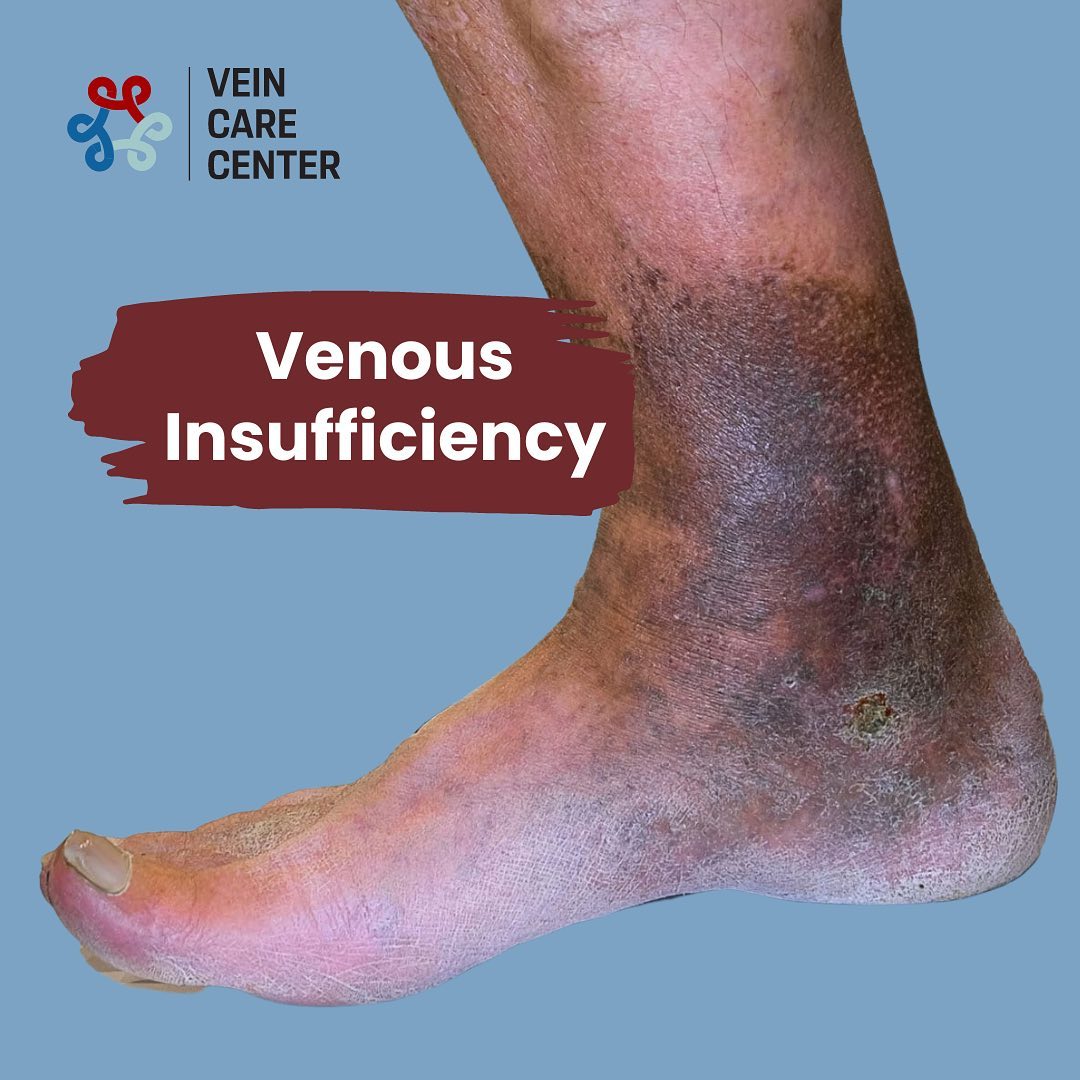
Skin discoloration and swelling around the ankle are often the first visible signs that blood is pooling instead of returning to the heart.
“Venous insufficiency is a condition that develops when your veins cannot take blood back to your heart and lungs properly. When the blood cannot flow back, it pools in the veins in your legs. The condition causes skin changes and abnormalities, lower leg swelling and other uncomfortable symptoms. With convenient locations in the Upper East Side, Midtown Manhattan, the Financial District, and Greenwich Village in New York, as well as Paramus, Riverdale, Englewood Cliffs, Cranford, and East Brunswick in New Jersey, we're here for you! Our vein specialists employ a multi disciplinary approach to treat vein conditions, ensuring you receive the personalized care you deserve. 🩸💼 We craft individual treatment plans and harness the latest technology for successful outcomes. Contact the Vein Care Center nearest to you and schedule your consultation today! 🗓️ #VeinCare #HealthyVeins #innovationinhealthcar”
Vein Health · From your post
Varicose veins are common, treatable, and worth a real conversation rather than a cover up.
“🦵 No more varicose vein pain! 🦵 Are you tired of living with unsightly, uncomfortable varicose veins? Our vein treatment center offers a variety of minimally invasive procedures to get rid of your varicose veins for good. Contact us today for a consultation and start walking in your most beautiful legs! 💃 📞 Call us at (646) 612 0896 or visit our website at www.veincarecenter.com. 🌐 _________ #veinstreatmentcenter #veintreatmentcenter #veinclinic #veinspecialist #veinspecialists #veindoctors #veindoctor #vasculardoctor #center #clinic #vascular #vascularsurgery #veins #spiderveins”
One social post becomes another searchable entry point to Vein Care Center.
Our own magazine. Clicks and citations from Google Search Console, as of September 15, 2026.
Draft story for veincarecenter.com · Vein Health
From who is actually affected to what compression stockings really do, here is what the history and biology of varicose veins can teach us.
Varicose veins get treated like a cosmetic footnote, something to cover up before a beach trip. But the condition has a longer and stranger story than most people realize, and understanding it changes how we think about prevention. Before getting into treatment options, it helps to slow down and look at who gets varicose veins, why they run in families, and how differently we used to handle them.
Women deal with varicose veins at close to three times the rate men do, largely because of pregnancy and hormonal shifts that put extra pressure on leg veins over time. Men get them too, they just tend to wait longer before asking for help, often not coming in until symptoms are already pronounced. That gap in timing matters, because earlier attention generally means simpler management.
Heredity plays a real role here. If a parent or grandparent dealt with varicose veins, the odds go up for the next generation, though it is never a guarantee. Sometimes the trait seems to skip a generation entirely before reappearing. That unpredictability is exactly why we talk about prevention as something to start early, through regular check ins and small daily habits, rather than waiting for visible signs.
Treatment history is a useful reminder of how far things have come. In medieval times, dealing with a problem vein meant cutting it open and letting it bleed, then bandaging the leg and hoping for the best. It was a blunt, painful approach with no real precision behind it. Comparing that to where vein care stands now puts modern, minimally invasive options into real perspective.
Compression stockings trace back roughly four hundred years, which makes them one of the oldest continuously used tools in medicine. The idea has stayed remarkably consistent: snug, graduated pressure that helps push blood back up the leg instead of letting it pool. They have been refined in fabric and fit since then, but the basic mechanism a seventeenth century patient relied on is still doing the same job today.
Hemorrhoids belong in this conversation too, even though they rarely get mentioned alongside varicose veins in the legs. They are technically the same category of vein trouble, just located somewhere less discussed. Close to seventy five percent of adults experience them at some point, often triggered by pregnancy, heavy lifting, or long stretches of sitting or standing without much movement.
The encouraging part is that surgery is the exception rather than the rule for hemorrhoids, and the same is often true for varicose veins caught early. Lifestyle adjustments, movement, and simple supportive tools can carry a lot of the load before anything more involved is needed. Knowing that gives people a reason to address symptoms sooner instead of assuming intervention has to be dramatic.
None of this makes varicose veins mysterious once you see the pattern: genetics set the stage, hormones and pressure shape who is affected, and simple tools like compression have outlasted centuries of more aggressive approaches. The through line is that attention early, rather than after things get thick and bumpy, tends to make the whole experience easier to manage.
Draft story for veincarecenter.com · Vein Health
Skin discoloration and swelling around the ankle are often the first visible signs that blood is pooling instead of returning to the heart.
Venous insufficiency starts with a simple mechanical failure. The veins in your legs are supposed to carry blood upward, back toward your heart and lungs. When the valves inside those veins stop doing their job, blood does not make that trip efficiently. It pools instead, lower in the leg, under pressure, for longer than it should. That pooling is where every visible symptom begins.
The lower leg and ankle are usually where this shows up first. Skin there can change color, texture, and firmness as pooled blood affects the tissue over time. Swelling develops around the ankle and lower leg because fluid is being held where it should be circulating. None of this is cosmetic. It reflects what is actually happening inside the vein.
Skin changes tend to progress gradually, which is part of why they get overlooked. Discoloration can deepen and spread across the lower leg and ankle. Texture can become rougher or more fragile. Swelling that seems minor in the evening can become a daily presence. These are not separate problems. They are stages of the same underlying issue, and they tend to worsen without intervention rather than resolve on their own.
Discomfort often accompanies these visible changes, even when it is easy to dismiss as tiredness or aging. Heaviness, aching, and general leg fatigue by the end of the day are common alongside the skin and swelling symptoms. Because venous insufficiency develops slowly, many people adjust around it for a long time before recognizing that what they are experiencing is a specific, treatable vascular condition rather than ordinary wear.
Our vein specialists work from a multidisciplinary approach because venous insufficiency does not present the same way in every patient. Two people with similar swelling can have very different underlying vein issues. We build individual treatment plans based on what is actually happening in each patient's veins, using current technology to guide both diagnosis and treatment toward outcomes that hold up over time.
That personalization matters because the visible symptoms, the skin changes, the swelling, the discomfort, are downstream of a vascular cause that needs to be identified directly. A plan built around one patient's specific vein function gives treatment a clearer target than addressing symptoms alone. It is also why a consultation, rather than guesswork, is the right starting point for anyone noticing these changes in their own legs.
We see patients across the Upper East Side, Midtown Manhattan, the Financial District, and Greenwich Village in New York, along with Paramus, Riverdale, Englewood Cliffs, Cranford, and East Brunswick in New Jersey. Having multiple locations means care is accessible without asking patients to travel far from home or work to get a proper evaluation of what their symptoms actually indicate.
If you have noticed skin discoloration, swelling, or persistent discomfort in your lower legs, those are worth having evaluated rather than watched. Venous insufficiency is a diagnosable, treatable vascular condition, not an inevitable part of getting older. Contact the Vein Care Center location nearest you and schedule a consultation to find out what is actually happening in your veins and what your options are.
Draft story for veincarecenter.com · Vein Health
Varicose veins are common, treatable, and worth a real conversation rather than a cover up.
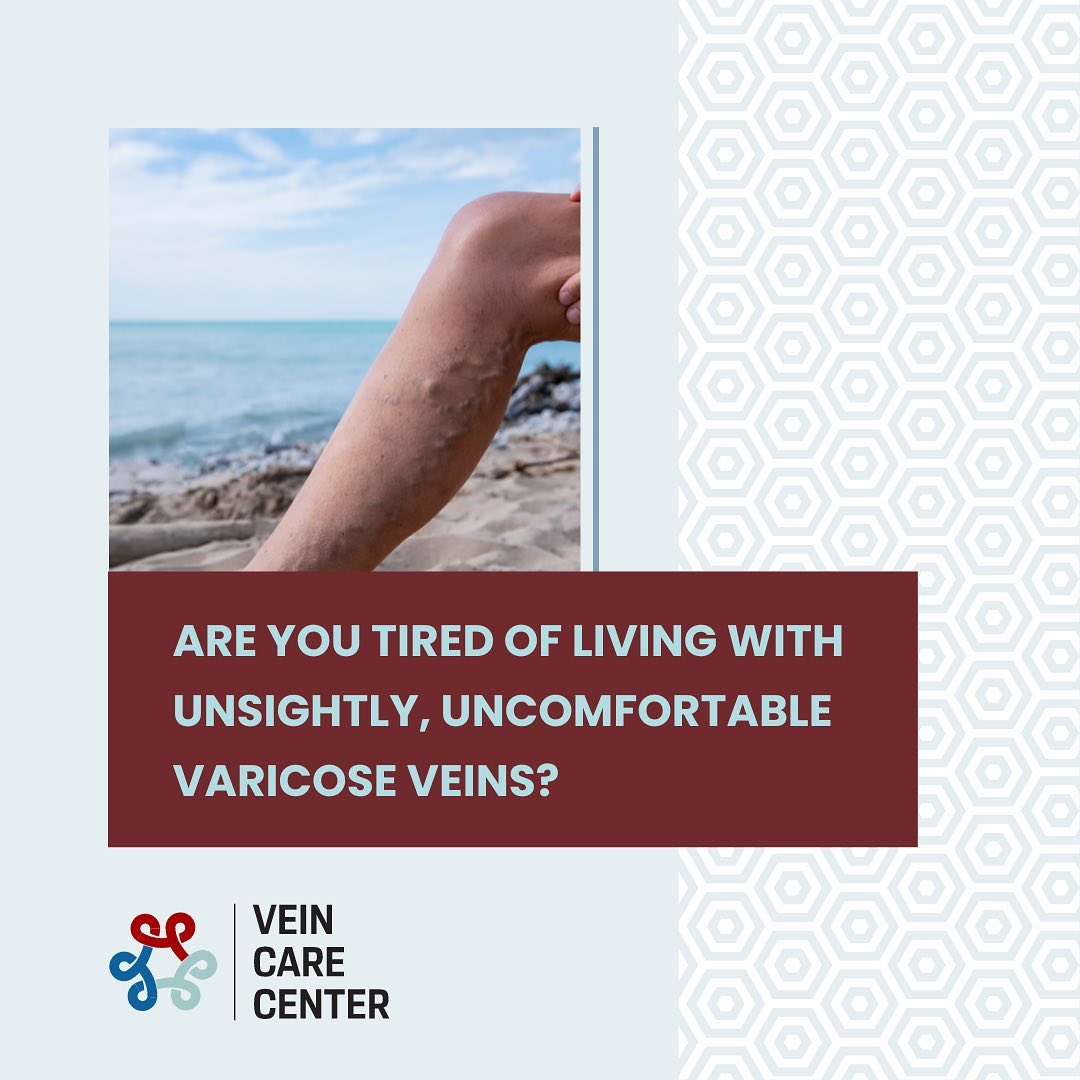
A leg propped against a beach backdrop, calf muscle flexed, veins visible in a raised rope like pattern along the surface of the skin. It is an ordinary summer moment interrupted by something a lot of people quietly deal with. Varicose veins show up in regular life, on ordinary days, in ordinary light, which is exactly why so many people learn to work around them instead of asking what is actually happening underneath.
Varicose veins are not just a cosmetic issue, even though that is often the first thing people notice. They form when the valves inside veins stop working the way they should, allowing blood to pool instead of flowing efficiently back toward the heart. That pooling is what creates the bulging, twisting appearance on the surface, along with sensations like heaviness, aching, or discomfort after standing or sitting for long stretches.
A lot of people live with varicose veins for years before doing anything about them, assuming the only options are surgery or simply tolerating the discomfort. That assumption keeps people stuck. We offer a variety of minimally invasive procedures designed specifically to treat varicose veins without the extended recovery time that older surgical methods once required, which changes the calculation for a lot of patients.
Minimally invasive does not mean minor in effectiveness, it means the approach is targeted. These procedures are built to address the underlying vein issue directly, rather than just managing symptoms temporarily. For someone who has spent seasons covering their legs or avoiding activities that make the discomfort worse, a treatment path that gets to the source of the problem is a meaningfully different option than what they may have assumed was available.
The first step is simply a conversation. A consultation gives us the chance to look at what is happening with your veins specifically, since no two cases present the same way, and to walk through which minimally invasive option fits your situation. There is no single universal treatment, which is exactly why starting with an evaluation matters more than guessing at solutions on your own.
That conversation is also where a lot of the hesitation tends to fall away. Patients often arrive with questions about downtime, discomfort during the procedure itself, or whether treatment will actually make a visible difference. Those are reasonable questions, and they deserve direct answers grounded in your specific case rather than general reassurances that do not account for what your legs are actually dealing with.
The goal is not really about the veins themselves, it is about what having them treated allows you to do again without a second thought. That means standing through a long shift without the ache setting in, wearing shorts on a hot day without hesitation, or walking along sand without thinking about how your leg looks against the water. Small, ordinary freedoms that add up.
If varicose veins have been part of your daily background for a while, this is the moment to ask a specialist what your options actually are. Reach us at (646) 612 0896 or through veincarecenter.com to schedule a consultation. The conversation itself costs you nothing except the time it takes to finally ask the question you have been putting off.
Keep reading