Why your foundation looks dry by noon and what to do about it
Patchy makeup usually starts underneath, not on top, and the fix begins with hydration.
SONYA DAKAR STAFFTurn your social into search
We turn your posts into editorial stories that bring new search traffic to sonyadakar.com. Three of yours will be on this page.
Book a demo
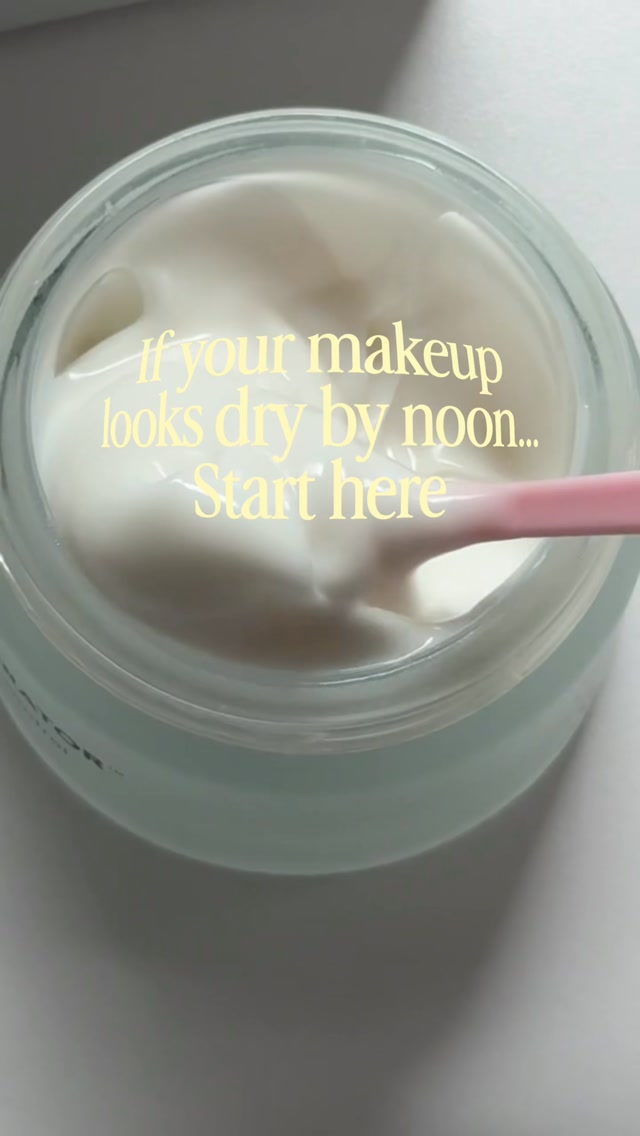
sonyadakar If your makeup looks dry by noon, start here. Dry, patchy makeup usually starts with dehydrated skin underneath. Nano Hydrator is the moisturizer we reach for when skin needs serious hydration without the heavy, greasy finish. The lightweight formula pairs deep hydration with anti aging actives like resveratrol, vitamin C, green apple stem cells and hyaluronic acid to help skin look smoother, plumper, brighter and more refreshed. It also helps support the skin barrier and creates that soft, hydrated finish that makes makeup sit better on the skin. Because sometimes it’s not your foundation. It’s your skincare.
Patchy makeup usually starts underneath, not on top, and the fix begins with hydration.
SONYA DAKAR STAFFHow it works
Same as today. Nothing changes on Instagram.
We turn your post into a full story in your voice within the hour.
One click publishes it to sonyadakar.com. Nothing goes live without you.
Your stories
Nothing was published anywhere. You decide that. Every word will come from your own posts, your own photos and your own treatments.
Skin First · From your post
Patchy makeup usually starts underneath, not on top, and the fix begins with hydration.
“If your makeup looks dry by noon, start here. Dry, patchy makeup usually starts with dehydrated skin underneath. Nano Hydrator is the moisturizer we reach for when skin needs serious hydration without the heavy, greasy finish. The lightweight formula pairs deep hydration with anti aging actives like resveratrol, vitamin C, green apple stem cells and hyaluronic acid to help skin look smoother, plumper, brighter and more refreshed. It also helps support the skin barrier and creates that soft, hydrated finish that makes makeup sit better on the skin. Because sometimes it’s not your foundation. It’s your skincare.”
Product Spotlight · From your post
We are giving away Flash Facial and Retino to three winners this week, and here is what each one actually does.
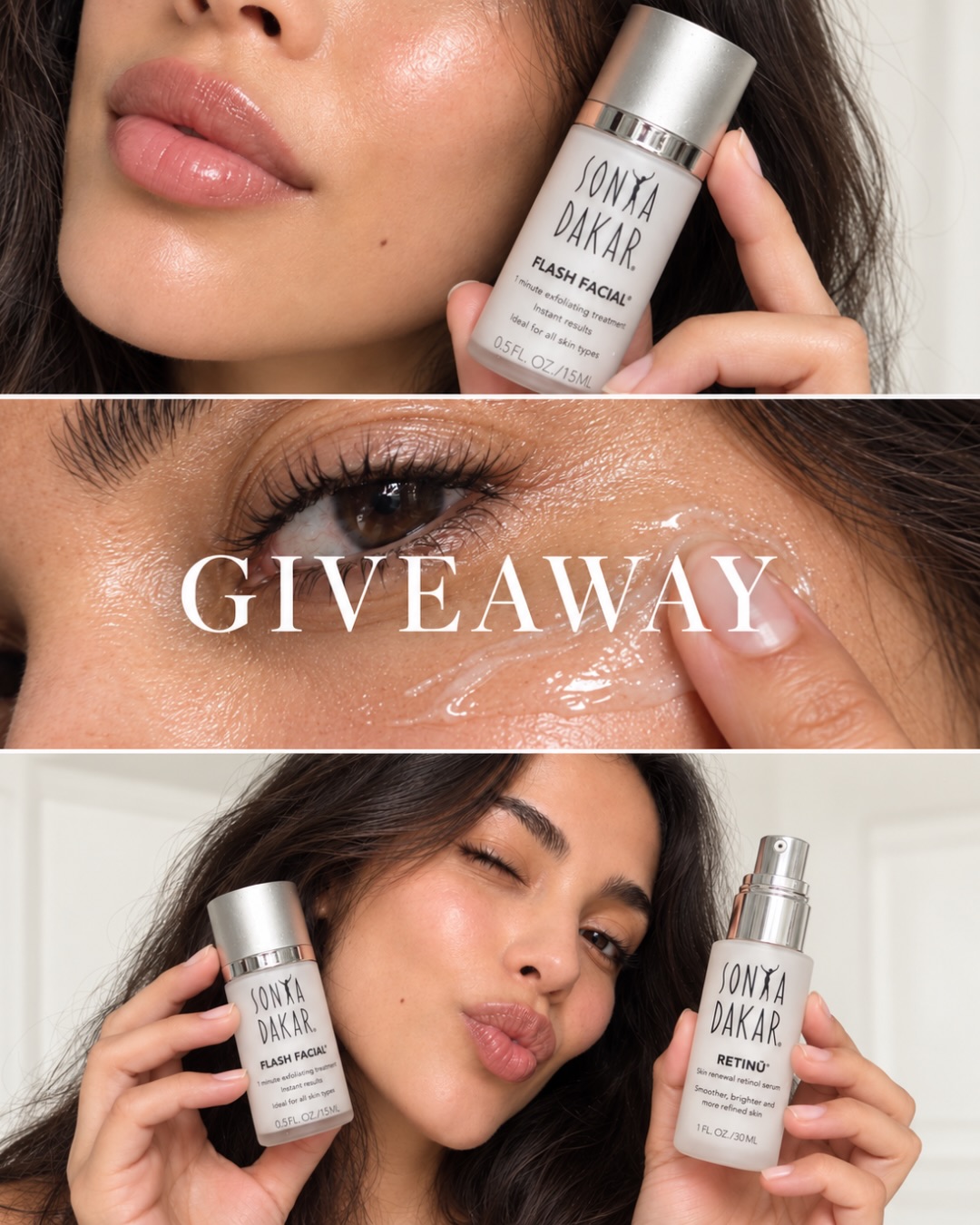
“🚨 GIVEAWAY 🚨 We’re giving THREE lucky winners their choice of FLASH FACIAL or RETINU. To enter. 1️⃣ Follow @SONYADAKAR 2️⃣ Like this post 3️⃣ Comment what your skin needs most right now + tell us your pick. FLASH FACIAL or RETINU 4️⃣ Tag one friend who needs a skin upgrade too Three winners will be announced Tuesday, September 22. Good luck 💚 * Open to entrants 18+ with a valid U.S. shipping address. No purchase necessary. Winners will only be contacted by our official SONYA DAKAR account via DM.”
Skin Habits · From your post
A four step approach for calming a breakout without touching it, from cleansing to a targeted salicylic acid treatment.
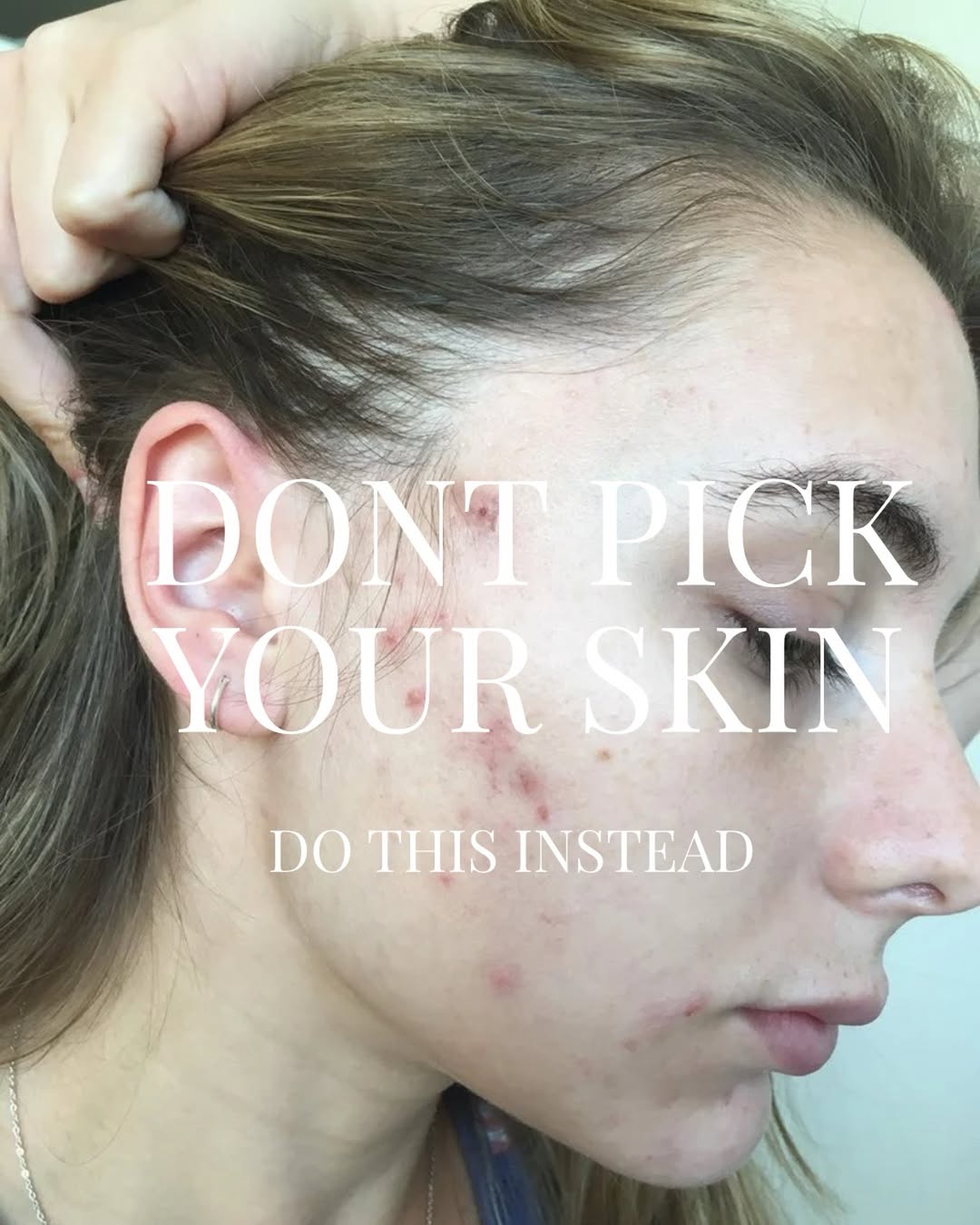
“DO THIS INSTEAD 🫧 1. CLEAN IT Wash your face gently to remove oil, makeup + bacteria without over stripping. 🧊 2. ICE IT Use a cold compress to help calm redness, inflammation + swelling. 💧 3. TREAT IT Apply a targeted salicylic acid treatment to help unclog pores + clear the breakout. Super Clear + Zit Buster 🙅♀️ 4. LEAVE IT ALONE No picking. No squeezing. Treat it, then let your skin heal.”
One social post becomes another searchable entry point to Sonya Dakar.
Our own magazine. Clicks and citations from Google Search Console, as of September 15, 2026.
Draft story for sonyadakar.com · Skin First
Patchy makeup usually starts underneath, not on top, and the fix begins with hydration.
By midday, foundation tends to reveal what is actually happening underneath it. If it settles into fine lines or turns patchy around the nose and cheeks, the problem rarely started with the makeup itself. It started with the skin it was applied to, hours earlier, before a single product touched the face.
Dehydrated skin behaves differently under makeup. It grabs at product unevenly, dries out faster in certain areas, and stops holding a finish the way hydrated skin does. That unevenness is what shows up as dryness or patchiness later in the day, even when the application itself was careful and even to begin with.
Nano Hydrator is the moisturizer we reach for when skin needs real hydration without a heavy or greasy finish sitting on top. The texture is lightweight by design, meant to absorb fully rather than sit on the surface, which matters most for anyone layering makeup directly over it within minutes of applying.
The formula pairs deep hydration with a set of anti aging actives, including resveratrol, vitamin C, green apple stem cells and hyaluronic acid. Together they are meant to help skin look smoother, plumper, brighter and more refreshed, addressing hydration and skin quality in the same step rather than treating them separately.
Hydration also plays a direct role in supporting the skin barrier, which affects how makeup behaves for the rest of the day. A supported barrier holds moisture better, which creates that soft, hydrated finish that gives foundation something even to sit on, instead of pulling unevenly at drier patches by afternoon.
That finish is the real difference between makeup that holds and makeup that fades unevenly. It is less about product buildup and more about the surface underneath staying balanced from morning through afternoon, which is where most of the visible change in texture and coverage actually happens over the course of a day.
It is easy to blame a foundation for wearing poorly, switching formulas or adding more powder to compensate. But the more useful fix often happens earlier, at the skincare step, before coverage is even part of the conversation. Getting hydration right first changes how everything applied afterward behaves for the rest of the day.
Sometimes the issue was never the foundation at all. It was what happened, or did not happen, underneath it that morning. Starting with hydration means starting with the part of the routine that actually determines how skin holds up, long before noon arrives and the makeup is left to answer for it.
Draft story for sonyadakar.com · Product Spotlight
We are giving away Flash Facial and Retino to three winners this week, and here is what each one actually does.
Three winners will walk away with their choice of Flash Facial or Retino this week, and the choice itself says something. Both formulas solve real, specific problems, but they solve different ones. One is built for right now, the fifteen minutes before you walk out the door. The other is built for the long game, the kind of change you notice weeks in, not minutes in.
Flash Facial is the one minute exfoliating treatment, and the name is not an exaggeration. It comes in a small pump bottle, half an ounce, made for a fast pass before makeup or before a night out. The instant results claim is the whole premise of the product. You are not committing to a routine change, you are buying yourself a better face in the next sixty seconds.
Retino works on a completely different timeline. It is a skin renewal retinol serum in a one ounce glass bottle with a pump top, and its job is smoother skin, fewer fine lines, and a more refined texture over time. Where Flash Facial is a quick correction, Retino is a nightly commitment. Both are legitimate answers to the question we are asking everyone to answer in the comments.
That question, what does your skin need most right now, is not a throwaway entry rule. It is genuinely the deciding factor between these two products. Someone dealing with dullness before an event has a different answer than someone working on longer term texture and lines. We want to hear which one you are, because it tells us which product actually belongs in your routine.
Entering is simple by design. Follow the account, like this update, and leave a comment naming what your skin needs most along with your pick, Flash Facial or Retino. Then tag one friend who could use the same upgrade. Four steps, no purchase required, and the only real decision you have to make is which formula fits the problem you are actually trying to solve.
Three winners get their choice, not a set pick from us, which matters because the two products are not interchangeable. If your skin needs an instant reset, Flash Facial is the obvious answer. If you are more focused on refinement over time, Retino is the one to name in your comment. There is no wrong answer here, just a more accurate one for your own skin.
Winners will be announced Tuesday, September 22, and we will only reach out through our official account by direct message, so anything claiming otherwise is not us. Entrants need to be eighteen or older with a valid U.S. shipping address, and no purchase is necessary at any point in the process. It is a straightforward structure built around one useful question.
That question is worth answering honestly even if you are not focused on winning. Naming what your skin actually needs, dullness, fine lines, texture, tightness, forces a kind of clarity that browsing a product page rarely does. Whichever bottle ends up in your hands, the exercise of matching a real concern to a real formula is the part that carries past Tuesday.
Good luck to everyone entering, and thank you for tagging the friend who needed to see this. Two products, one clear set of use cases, and three chances to get either one without spending a dollar. Drop your pick and your skin concern in the comments, and we will take it from there when the winners are chosen.
Draft story for sonyadakar.com · Skin Habits
A four step approach for calming a breakout without touching it, from cleansing to a targeted salicylic acid treatment.
The hand moves before the thought finishes. A breakout shows up along the jaw or the cheek and the instinct is to press, squeeze, examine it in a mirror under bad light. We understand the impulse completely. But picking rarely ends the story where you want it to. It extends it, often for weeks, in the form of dark marks and inflammation that outlast the original blemish by a wide margin.
What we recommend instead is a sequence, not a single fix. Skin responds better to a process than to a panic reaction. That means starting clean, calming what is inflamed, treating the actual cause, and then stepping back. Each step does something specific. Skip one and the others work harder than they should. Follow all four and the breakout gets handled without leaving a mark behind to deal with later.
Step one is washing gently, removing oil, makeup, and bacteria without stripping the skin barrier in the process. A harsh cleanser might feel like it is doing more, but stripped skin gets more reactive, not less. Gentle cleansing clears the surface so nothing sits on top of the breakout making it worse, without triggering the kind of dryness that leads to more irritation and more inflammation over the following days.
Step two is ice. A cold compress held against the area helps calm redness, swelling, and inflammation right when it is at its most visible. This is the step most people skip because it feels small, but it matters. Reducing inflammation early keeps a breakout from spreading or intensifying, and it makes the skin far less tempting to touch, since a calmer, less swollen spot draws less attention.
Step three is where the actual clearing happens. A targeted salicylic acid treatment, like our Super Clear or Zit Buster, gets applied directly to the breakout to help unclog the pore and address what caused it in the first place. Salicylic acid works by getting into the pore itself, not just sitting on the surface. That is the difference between a spot treatment that does something and one that just dries out skin around it.
This is the step that requires patience more than anything else. A targeted treatment needs time to work through the pore, and reapplying constantly or combining it with picking undoes the progress it is making. Apply it, let it sit, and resist the urge to check on it every hour. The treatment is doing quiet work under the surface even when nothing visible seems to be happening yet.
Step four is the hardest one: leave it alone. No picking, no squeezing, no fingers testing whether it is ready to come to a head. Picking breaks skin, introduces more bacteria, and almost guarantees a longer healing process with a mark left behind. The urge will still be there. Managing it, not acting on it, is what actually shortens how long the breakout sticks around on your face.
Four steps, done in order, cover more ground than any single product could on its own. Clean removes what is sitting on the surface. Ice brings down the inflammation. Treatment addresses the pore directly. And leaving it alone gives all of that work room to finish. The breakout still has to run its course, but this way, it runs it without leaving a longer story behind on your skin.
Keep reading