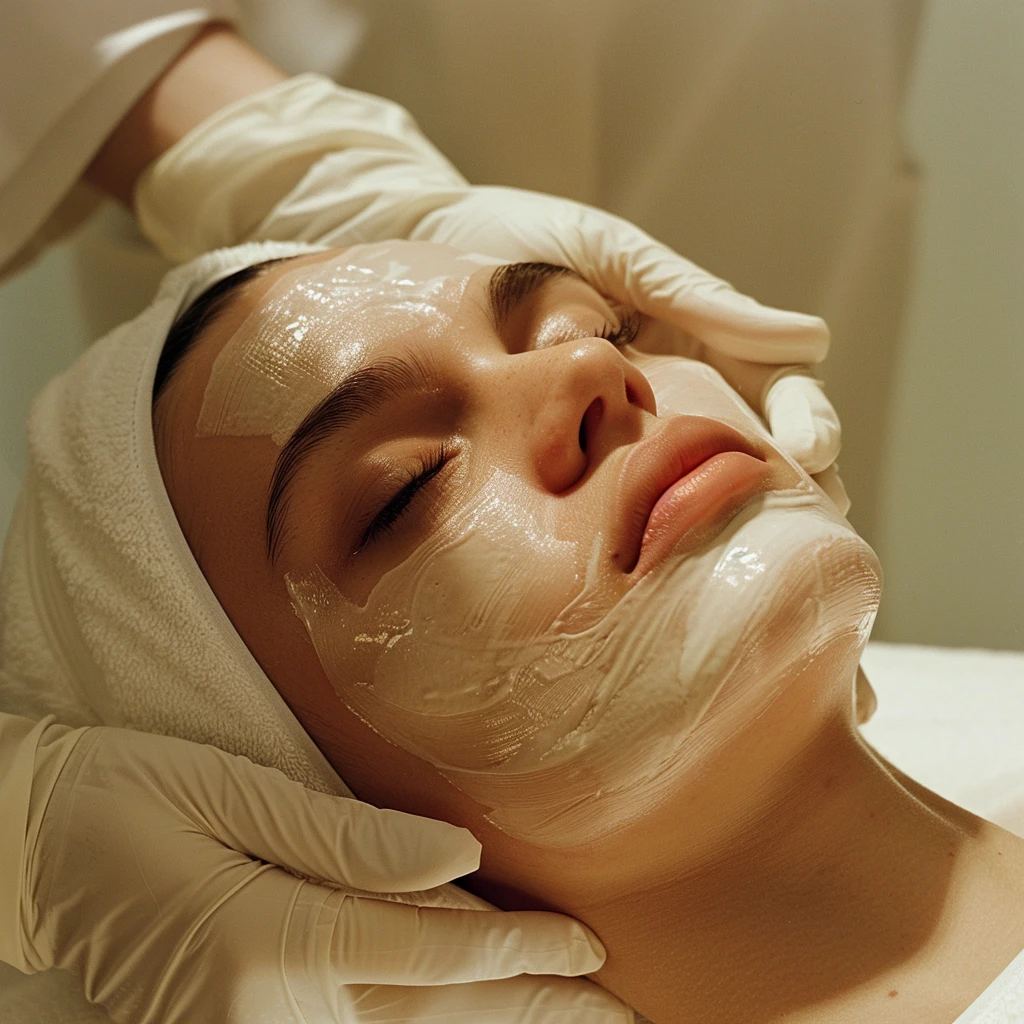
Why late summer skin needs a reset, not just more product
As summer heat wears down the skin barrier, texture, tone, and product performance start to slip in ways sunscreen alone cannot fix.
SKINFLUENCE ESTHETICS STAFFTurn your social into search
We turn your posts into editorial stories that bring new search traffic to skinfluenceesthetics.glossgenius.com. Three of yours will be on this page.
Book a demo
skinfluence_esthetics It’s not just about sun exposure. Summer heat wears down the lipids that hold your skin barrier together, which is part of why routines that worked in June start falling short by September. In your late 20s this lands differently. Collagen production and cell turnover are both starting to slow, so texture, tone, and barrier stress don’t bounce back as fast as they did a few years ago. Four years into running this studio in San Pedro and it’s a pattern we see every year around this time. Texture is a buildup problem. Tone is a pigment problem. Product performance is a barrier problem … but none of them automatically means a consultation on their own. What matters is whether home care is still working for you. This time of year is the start of our repair and reset stretch, where we start correcting instead of maintaining. Which one are you noticing most right now. texture, tone, or your products not working like they used to? … #skincare #late20s #estheticiantips #skinbarrierhealth #estheticianapproved
As summer heat wears down the skin barrier, texture, tone, and product performance start to slip in ways sunscreen alone cannot fix.
SKINFLUENCE ESTHETICS STAFFHow it works
Same as today. Nothing changes on Instagram.
We turn your post into a full story in your voice within the hour.
One click publishes it to skinfluenceesthetics.glossgenius.com. Nothing goes live without you.
Your stories
Nothing was published anywhere. You decide that. Every word will come from your own posts, your own photos and your own treatments.
Skin Care · From your site
As summer heat wears down the skin barrier, texture, tone, and product performance start to slip in ways sunscreen alone cannot fix.
“It’s not just about sun exposure. Summer heat wears down the lipids that hold your skin barrier together, which is part of why routines that worked in June start falling short by September. In your late 20s this lands differently. Collagen production and cell turnover are both starting to slow, so texture, tone, and barrier stress don’t bounce back as fast as they did a few years ago. Four years into running this studio in San Pedro and it’s a pattern we see every year around this time. Texture is a buildup problem. Tone is a pigment problem. Product performance is a barrier problem … but none of them automatically means a consultation on their own. What matters is whether home care is still working for you. This time of year is the start of our repair and reset stretch, where we start correcting instead of maintaining. Which one are you noticing most right now. texture, tone, or your products not working like they used to? … #skincare #late20s #estheticiantips #skinbarrierhealth #estheticianapproved”

Skincare Education · From your site
Skin cell turnover takes weeks, not days, and quitting too early is often the real reason a product never gets the chance to work.
“It’s longer than most people give it. Skin cell turnover takes weeks, not days. If you’re tossing a product after a week or two because you don’t see a difference yet, you might be giving up right before it would’ve started working. It also depends on what you’re using. Some products, like moisturizers, show a difference almost right away because they’re working on hydration. Others, especially anything targeting acne, dark spots, or aging, can take 12 weeks or more to show real change. Here’s a general rule you can remember. give a new product at least 4 to 6 weeks before judging it, longer for anything targeting texture or tone. Consistency matters more than switching products every time you get impatient. What’s a skincare “rule” you’ve always followed but never actually questioned? 👀 … #skincaretips #skincareeducation #skincareawarenessmonth #sanpedro #esthetician”
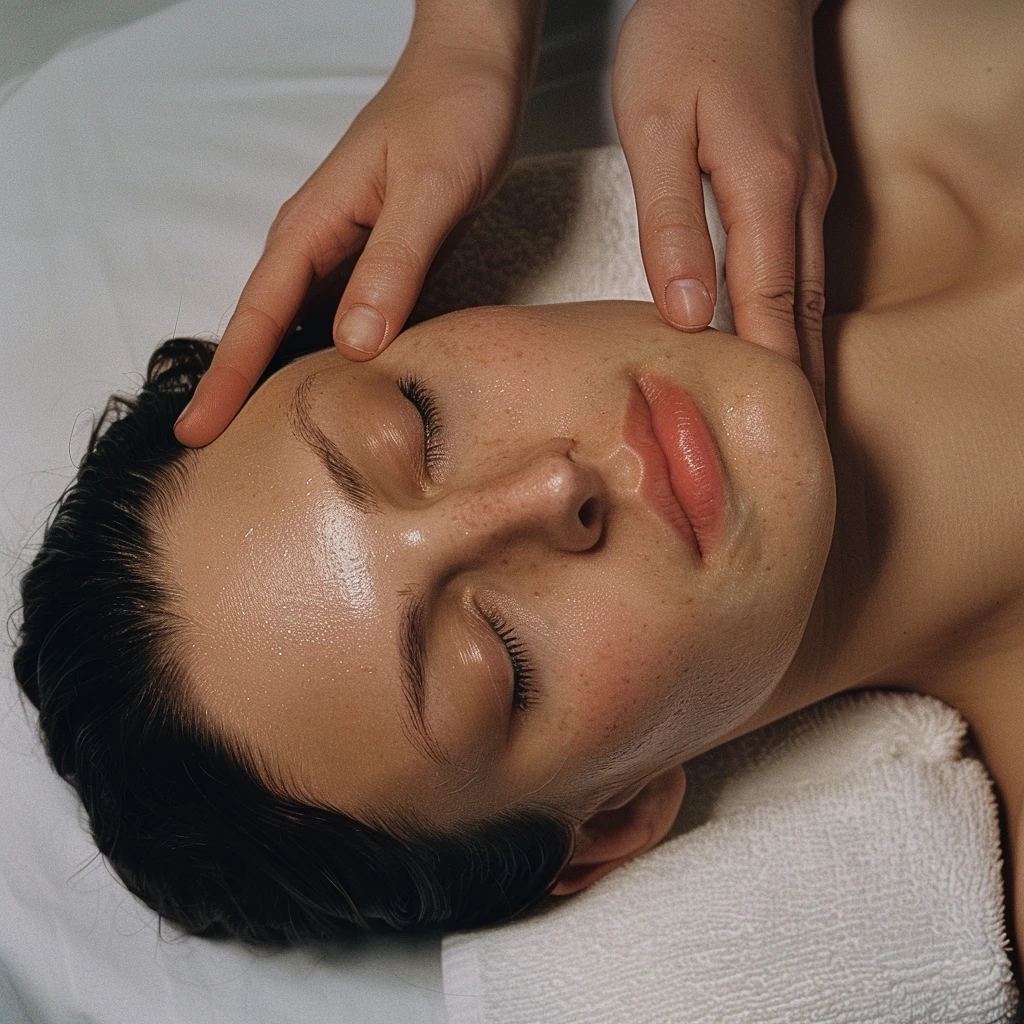
Client Experience · From your site
At Skinfluence Esthetics, a facial is also a rare stretch of time when your mind gets to stop running the list.
“Not scrolling, not multitasking, not half there while your mind runs through everyone else’s list. Actually relaxed. Some people come in for exactly that. Others come in because their skin needs attention they haven’t had time to give it. Either way, this hour is built to give you both 🤍 We handle the thinking, the products, the plan. You just lay back and relax because you deserve it. What’s stopping you from booking that hour for yourself? … 🔗 Link in bio to book your relaxation session 📍San Pedro, CA … #selfcareskincare #facialtreatments #skinhealth #selfcaretime #sanpedroca”
One social post becomes another searchable entry point to Skinfluence Esthetics.
Our own magazine. Clicks and citations from Google Search Console, as of September 15, 2026.
Draft story for skinfluenceesthetics.glossgenius.com · Skin Care
As summer heat wears down the skin barrier, texture, tone, and product performance start to slip in ways sunscreen alone cannot fix.
Every year around this time, we see the same pattern walk through our studio in San Pedro. Sun exposure is part of the story, but summer heat also wears down the lipids that hold the skin barrier together, and that quiet erosion is part of why routines that worked in June start falling short by September. The skin is not failing. It is just carrying more than it was built to hold.
In your late twenties, this lands differently than it used to. Collagen production and cell turnover are both starting to slow, so texture, tone, and barrier stress do not bounce back the way they did a few years ago. What used to smooth out on its own over a weekend now lingers. That slower recovery time is the real shift, more than any single product or habit suddenly stopping working.
Texture, tone, and product performance can all show up at once, but they are not the same problem wearing different faces. Texture is a buildup problem, tone is a pigment problem, and product performance is a barrier problem. Treating all three the same way is usually why home care stalls. Each one is asking for something specific, not a general upgrade to whatever is already sitting on the shelf.
None of these three signs automatically means booking a consultation on their own. Plenty of people notice one or two of them and adjust fine at home. What actually matters is simpler than it sounds: is your current home care still working for you, or are you doing the same routine and getting a diminishing result. That question is more useful than trying to diagnose which sign is the most serious.
This time of year marks the start of what we think of as a repair and reset stretch. Through summer, most routines are built to maintain, protect from sun, calm heat, keep things steady. As the weather turns, the work shifts toward correcting what that season quietly wore down. It is less about adding more steps and more about changing what those steps are asking your skin to do.
That shift from maintaining to correcting is the whole point of this stretch. Maintenance mode assumes the barrier is intact and just needs support. Correction mode assumes some of that lipid structure has thinned out and needs to be rebuilt before anything else will perform the way it should. Skipping straight to stronger actives without addressing the barrier first is usually where people get stuck.
If you are trying to figure out where you land, the honest answer usually comes from noticing which of the three shows up first when you look in the mirror or touch your own skin. Texture reads as roughness or small bumps that were not there in July. Tone reads as spots or unevenness that seem darker or more visible now than earlier in the summer. Product performance reads as irritation or dryness from things that used to feel fine.
We are asking the same question we would ask in the studio: which one are you noticing most right now, texture, tone, or your products just not working like they used to. There is no wrong answer, and noticing is the useful part. It tells you where your skin actually needs attention this fall, instead of guessing based on what worked for someone else's late twenties or your own a few years back.
See the original postVisit skinfluenceesthetics.glossgenius.com
Draft story for skinfluenceesthetics.glossgenius.com · Skincare Education
Skin cell turnover takes weeks, not days, and quitting too early is often the real reason a product never gets the chance to work.
We hear the same frustration constantly: someone buys a new product, uses it for a week or two, sees nothing, and moves on to the next one. It feels reasonable in the moment. But skin does not operate on a weekly schedule. Skin cell turnover takes weeks, not days, which means the timeline most people are judging by is simply too short for the skin to have done anything yet.
That mismatch between expectation and biology is where most skincare disappointment actually comes from. It is not that the product failed. It is that it never got the runway it needed. Tossing something after a week or two often means giving up right before it would have started working, which turns a perfectly good product into a perceived failure through no fault of its own.
Timing also depends heavily on what the product is actually designed to do. Moisturizers show a difference almost right away because they are working on hydration, something the skin can register within hours or days. That fast feedback is part of why moisturizer feels satisfying quickly, and it sets an expectation that other categories of products simply cannot match.
Anything targeting acne, dark spots, or aging is working at a much deeper level, and that takes real time. These changes can take 12 weeks or more to show up in a way you can actually see. That is not a flaw in the formula. It is the nature of what is being asked of the skin: rebuilding, fading, or repairing rather than just adding moisture back in.
So here is a general rule worth keeping in mind: give a new product at least 4 to 6 weeks before judging it, and even longer for anything targeting texture or tone. Write it down, set a reminder, whatever helps. The point is to give the skin a fair runway before deciding whether something belongs in the routine or not.
Consistency matters more than switching products every time impatience creeps in. Every time a product gets swapped out too early, the skin essentially restarts its adjustment process, which means real progress keeps getting interrupted before it has a chance to show. A simpler, steadier routine held for longer will usually outperform a constantly changing one.
This is exactly why we asked what skincare rule people have always followed but never actually questioned. So many of these habits get passed along without anyone checking whether they hold up, and the one week trial is one of the biggest offenders. Slowing down and giving products real time is a small shift with a real payoff.
If there is one thing worth taking from this, it is patience as a strategy rather than a virtue. Skin does not reward quick judgments, it rewards steady, repeated exposure to the same ingredients over weeks. The next time a new product goes into the routine, mark the calendar for six weeks out before deciding anything.
See the original postVisit skinfluenceesthetics.glossgenius.com
Draft story for skinfluenceesthetics.glossgenius.com · Client Experience
At Skinfluence Esthetics, a facial is also a rare stretch of time when your mind gets to stop running the list.
We ask a version of the same question a lot: when's the last time you relaxed for a full hour? Not a half hour with your phone next to you, not a break between errands, but a full hour where nothing is asking for your attention. Most people have to think about it for a second before they can answer.
That pause is telling. It's not that relaxation is unavailable, it's that it rarely gets scheduled on purpose. An hour at the treatment table works because someone else is holding the plan. You are not deciding what comes next or whether it's working. You are simply lying back under warm light while the thinking happens around you.
Some clients come in specifically for the stillness, the chance to lie down without multitasking or running through everyone else's list in their head. Others come in because their skin has been asking for attention it hasn't gotten in a while, and the appointment is the first real time they've given it. Neither reason is more valid than the other, and this hour is built to hold both at once.
That's the actual design of the service. It's not framed as either a skin appointment or a relaxation appointment, it's built so you don't have to choose. Whatever brought you in that day, the hour moves at the same unhurried pace, under the same soft light, with the same attention paid to your face and to the fact that you finally sat still.
During that hour, we handle the thinking, the products, the plan. That's the part worth repeating, because it's the part that actually creates the rest. You're not weighing which serum to reach for or deciding what your skin needs this week. You lay back, close your eyes, and let someone else carry that decision making for sixty minutes.
There's a kind of relief in that handoff that has nothing to do with the products themselves. It's the relief of not being in charge of anything for a stretch of time. The warm towel, the quiet room, the low light overhead, all of it exists to remove the small decisions that usually fill your day so your mind actually has somewhere to land.
So the real question isn't whether you need a facial. It's what's stopping you from booking that hour for yourself. For a lot of people, the honest answer is that self care keeps getting placed last on a list that never actually ends. The appointment doesn't solve that list, but it does interrupt it for sixty uninterrupted minutes.
We're in San Pedro, CA, and the link in our bio is there whenever you're ready to claim that hour. It doesn't have to be a big occasion or a special reason. It just has to be a time you've decided is yours, where the only job is to lay back, breathe, and let someone else handle everything else for a while.
See the original postVisit skinfluenceesthetics.glossgenius.com
Keep reading