
Skincare is healthcare, not just a glow up
Long Beach's Skin with Robin makes the case for treating skin like the organ it actually is.
SKIN WITH ROBIN STAFFTurn your social into search
We turn your posts into editorial stories that bring new search traffic to skinwithrobin.com. Three of yours will be on this page.
Book a demo
skinwithrobin We’re very good at treating skincare like it’s purely cosmetic. A little more glow here. A smoother texture there. Something new because someone on the internet said we need it. But looking after your skin is a little more important than that. It’s about how you treat it day after day. what you put it through, what you give it, and when you know to leave it alone. The aesthetic benefits are nice. But taking care of something that works this hard for you? Probably worth making a priority. skinwithrobin.com for skincare with a little more thought behind it. #skincare #skincareroutine
Long Beach's Skin with Robin makes the case for treating skin like the organ it actually is.
SKIN WITH ROBIN STAFFHow it works
Same as today. Nothing changes on Instagram.
We turn your post into a full story in your voice within the hour.
One click publishes it to skinwithrobin.com. Nothing goes live without you.
Your stories
Nothing was published anywhere. You decide that. Every word will come from your own posts, your own photos and your own treatments.
Skin Health · From your post
Long Beach's Skin with Robin makes the case for treating skin like the organ it actually is.
“We’re very good at treating skincare like it’s purely cosmetic. A little more glow here. A smoother texture there. Something new because someone on the internet said we need it. But looking after your skin is a little more important than that. It’s about how you treat it day after day. what you put it through, what you give it, and when you know to leave it alone. The aesthetic benefits are nice. But taking care of something that works this hard for you? Probably worth making a priority. skinwithrobin.com for skincare with a little more thought behind it. #skincare #skincareroutine”
Skin Health · From your post
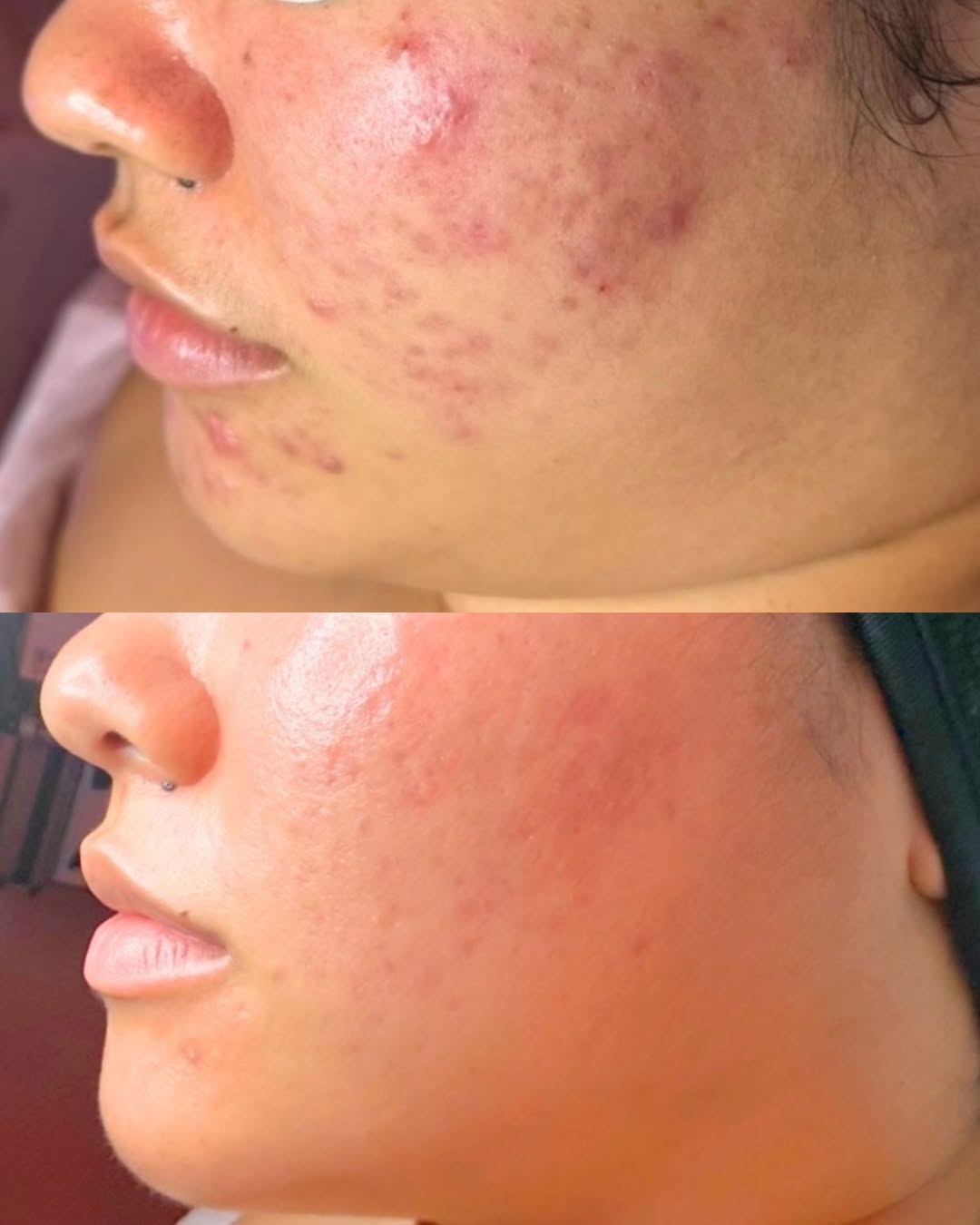
Two photographs of the same cheek tell a quieter story about inflammation, patience, and what changes when skin finally settles.
“Acne is rarely just about what’s happening on the surface. There’s the inflammation, the congestion, the sensitivity. and then there’s the emotional side of waking up every day and wondering what your skin is going to do next. Which is why we’re much more interested in understanding why the skin is behaving the way it is than throwing everything at it and hoping something sticks. Progress takes time. But when the skin starts feeling calmer, healthier and more predictable, that’s when the real difference starts to show. skinwithrobin.com for thoughtful treatments and long term skin support. #facial #acnetransformation #skingoals #skincareroutine”
Behind The Chair · From your post
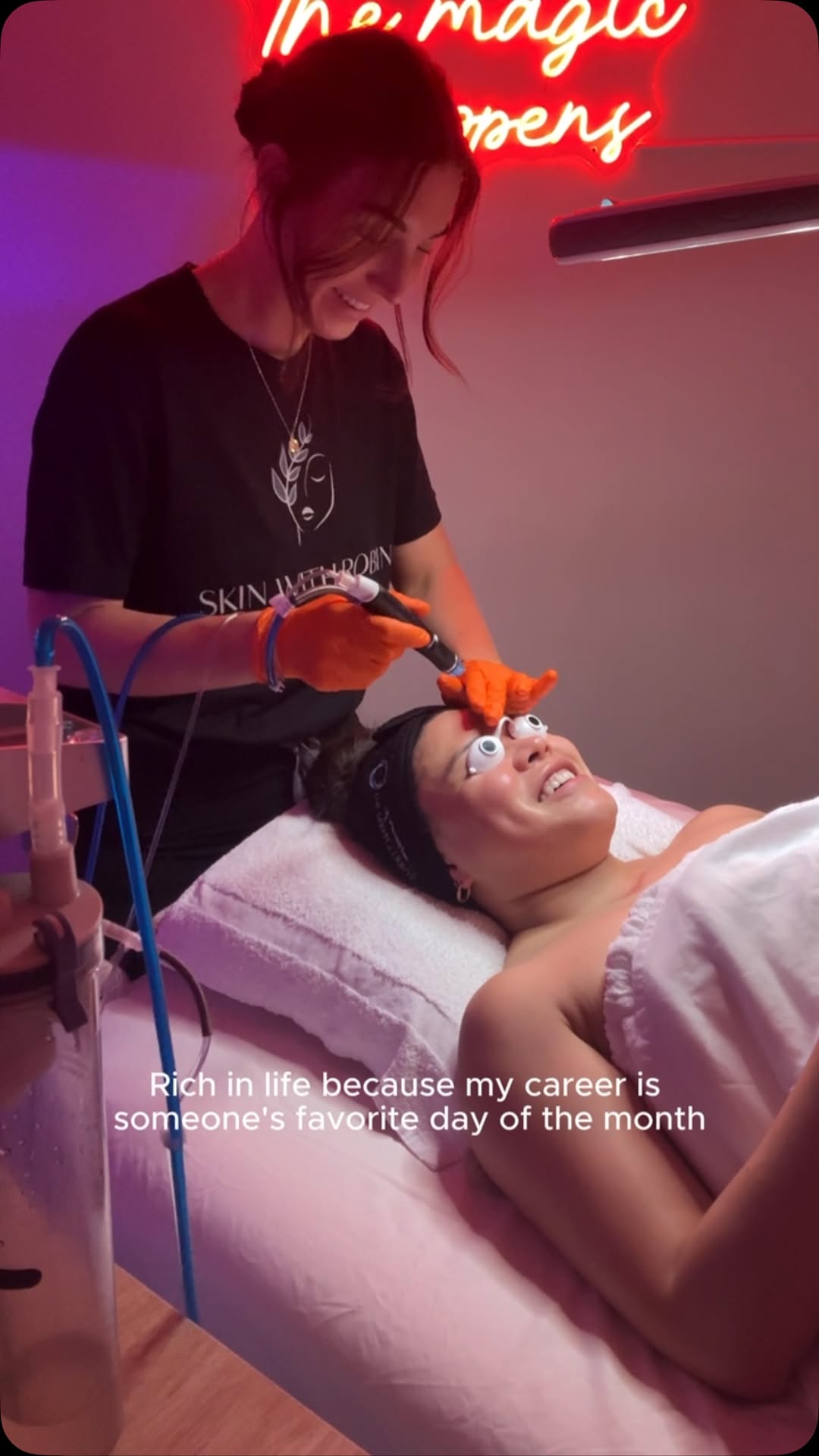
At Skin with Robin, a treatment room in Long Beach runs on quiet conversation and one client at a time.
“There are worse ways to spend your working day. Good conversations. Great skin. A little bit of quiet. And the occasional reminder that taking care of yourself doesn’t have to be complicated. Honestly, we’ll take this kind of 9. 5 any day! ☁️ skinwithrobin.com for treatments that make self care feel like part of the routine #esthetician #facial #selfcare #estheticianlife #longbeachfacials”
One social post becomes another searchable entry point to Skin with Robin.
Our own magazine. Clicks and citations from Google Search Console, as of September 15, 2026.
Draft story for skinwithrobin.com · Skin Health
Long Beach's Skin with Robin makes the case for treating skin like the organ it actually is.
We talk about skincare like it lives in the same category as a good filter. A little more glow here, a smoother texture there, something new because someone online said we needed it. That framing is easy to fall into because the results are visible and immediate. But it leaves out the part of skincare that actually matters most, which has nothing to do with how something looks in a mirror.
Skin is the largest organ on the body, and it works constantly whether we pay attention to it or not. It regulates temperature, keeps out what shouldn't get in, and shows the effects of stress, sleep, and diet before almost anything else does. Treating it purely as decoration ignores the fact that it is functioning hard, every day, with or without our help.
Caring for skin day after day is less about a single product and more about a pattern. It is what gets put on it, what gets put through it, and knowing when the right move is to leave it alone entirely. Over treating is its own kind of neglect. A routine built on restraint, consistency, and attention tends to hold up better over time than one built on whatever trend is loudest that week.
That distinction matters because the internet rewards novelty, not patience. A new serum or a viral routine can promise fast results, but skin does not respond well to constant change. It responds to steadiness, which is a much less exciting thing to market but a far more honest thing to practice. We would rather build routines around what skin needs than what feels new.
None of this means the aesthetic side of skincare is unimportant. A little more glow, a smoother texture, those outcomes are real and worth wanting. But they work best as the byproduct of a healthier system, not the entire goal of it. When skin is genuinely well cared for, the surface improvements tend to show up on their own, without needing to be chased directly.
There is also a quieter argument here about priority. Skin does an enormous amount of unseen work, and it rarely gets treated with the same seriousness as other parts of health. Making time for it, the same way one might make time for sleep or movement, is less about vanity and more about maintaining something that is going to keep working hard regardless of whether it gets any attention back.
That is the standard we try to build routines around at Skin with Robin: skincare with a little more thought behind it. Not more steps, not more product, just more intention behind the ones that matter. The goal is a routine someone can actually sustain, built on what their skin needs rather than what is trending, with enough restraint built in to know when doing less is the better move.
Healthy skin is not a single result to reach and then stop thinking about. It is an ongoing relationship with something that protects the body every single day, glow included but not required. Treat it with that level of respect and the cosmetic benefits tend to follow, quietly, as confirmation that the daily care underneath it was working all along.
Draft story for skinwithrobin.com · Skin Health
Two photographs of the same cheek tell a quieter story about inflammation, patience, and what changes when skin finally settles.
The two photographs above show the same cheek, the same angle, the same piercing above the lip. In the first, the skin is raised and inflamed, marked with active breakouts and the deep red tone that comes with congestion under the surface. In the second, that same cheek is smoother, more even in tone, still healing but visibly calmer. Nothing about the setting changed. The skin did.
That difference is the entire point. Acne is rarely just about what is happening on the surface. There is the inflammation, the congestion, the sensitivity, and then there is the harder part to photograph: the emotional weight of waking up every day and wondering what your skin is going to do next. Anyone who has dealt with active breakouts knows that uncertainty is its own kind of exhausting.
Because of that, we are far more interested in understanding why skin is behaving the way it is than in layering on treatments and hoping something sticks. Acne shows up differently on every face, and it responds differently depending on what is actually driving it. Congestion, sensitivity, and inflammation can look similar on the surface while needing entirely different approaches underneath, which is why the starting point matters as much as the treatment itself.
That approach takes more time upfront. It means asking questions, watching how skin responds, and adjusting instead of repeating the same protocol regardless of what is happening. It is slower than a one size fits all routine, but it is also the difference between chasing symptoms and actually addressing what is causing them in the first place. Skin that is understood tends to respond more predictably than skin that is simply treated.
Progress takes time, and it rarely looks dramatic while it is happening. It looks like fewer new breakouts. It looks like redness fading a little more each week. It looks like skin that feels less reactive to products, weather, or stress than it used to. None of that shows up as a single before and after moment. It shows up gradually, which is part of why it is easy to underestimate while you are in it.
The second photograph reflects that gradual shift more than it reflects a finish line. The active breakouts have calmed, the tone has evened out, and the texture has softened, but healing is still visibly in progress. That is a realistic picture of what recovering skin looks like partway through, not a claim that the work is finished. Real progress often looks like this middle stage rather than a polished endpoint.
What we hear most from clients is not that their skin became flawless. It is that it became more predictable. Calmer skin means fewer surprises in the mirror, fewer days spent second guessing a new product, and more confidence in a routine that is actually built around what the skin needs. That predictability is often the real marker of progress, even before the skin looks completely clear.
That is the shift we are working toward with every client, not a single dramatic transformation but a steadier, more understood relationship with their own skin. Thoughtful treatment plans and long term support are built around that goal specifically. For anyone dealing with active acne right now, that calmer, more predictable stage is very much reachable, even if it takes longer than a quick fix ever could.
Draft story for skinwithrobin.com · Behind The Chair
At Skin with Robin, a treatment room in Long Beach runs on quiet conversation and one client at a time.
The lights are low, the neon sign glows behind the treatment bed, and someone is finally lying still after a full week. This is what a working day looks like for us. Gloved hands, a warm towel tucked around bare shoulders, a client smiling with her eyes still covered. It is not a dramatic scene. That is exactly the point.
We think about our schedule differently than most jobs get to. A calendar full of facials sounds simple, maybe even repetitive, until you remember that every single appointment is someone's one hour away from everything else. Good conversation, great skin, a little bit of quiet. That combination is the actual job description, even if it never shows up on paper.
There is a rhythm to a treatment room that people do not talk about enough. The hum of the machine, the low light, the small pause before a client relaxes into the pillow. We notice it every time. Someone walks in carrying a full day of tension in their shoulders and their face, and slowly, treatment by treatment, that tension has somewhere to go.
None of this requires a complicated routine or a long list of products stacked on a bathroom shelf. Self care gets treated like a project sometimes, something to optimize or perfect. We would rather it feel like part of a normal week, something you can actually keep up with, not a standard you are failing to meet every time you skip a step.
That is the version of the industry we want to be part of. Not urgency, not upselling, just attention. A person lying down, a hand steady on their skin, a room that stays calm because someone decided it should. Multiply that by every appointment on the books and it starts to look less like a service and more like a standing appointment with rest itself.
It also means the job rarely feels like work in the way people expect. We hear about someone's morning, their week, the thing they have been putting off. Somewhere in that conversation the actual treatment happens almost quietly in the background, because the two things were never really separate to begin with.
Call it a nine to five if you want, though it rarely feels like the version most people picture. There is no rush between rooms, no clock watched from across a desk. Just one client at a time, one hour that belongs entirely to them, and the small, steady work of making that hour count for something real.
We built the schedule this way on purpose, and we would not trade it. Someone's favorite day of the month happening inside our four walls is not a small thing to be responsible for. It is the whole reason the lights stay low, the towels stay warm, and the door keeps opening on ordinary Tuesdays that end up mattering more than they should.
Keep reading