Why we still cook our skewers over real charcoal in Pasadena
At Sahara, chicken skewers still go over an open charcoal flame because there is no other way to get that flavor.
SAHARA STAFFTurn your social into search
We turn your posts into editorial stories that bring new search traffic to saharapasadenaca.com. Three of yours will be on this page.
Book a demo
saharamideast Real charcoal. Real fire. Real flavor. 🔥🧡 There’s something special about food cooked over an open charcoal flame. the rich flavor, and that unmistakable taste you just can’t recreate. It’s a tradition we’re proud to continue here in Pasadena. Visit us or order by phone. (626) 795 6900 #SaharaPasadena #PasadenaEats #PasadenaRestaurants #MiddleEasternCuisine #MediterraneanFood
At Sahara, chicken skewers still go over an open charcoal flame because there is no other way to get that flavor.
SAHARA STAFFHow it works
Same as today. Nothing changes on Instagram.
We turn your post into a full story in your voice within the hour.
One click publishes it to saharapasadenaca.com. Nothing goes live without you.
Your stories
Nothing was published anywhere. You decide that. Every word will come from your own posts, your own photos and your own menu.
On The Grill · From your post
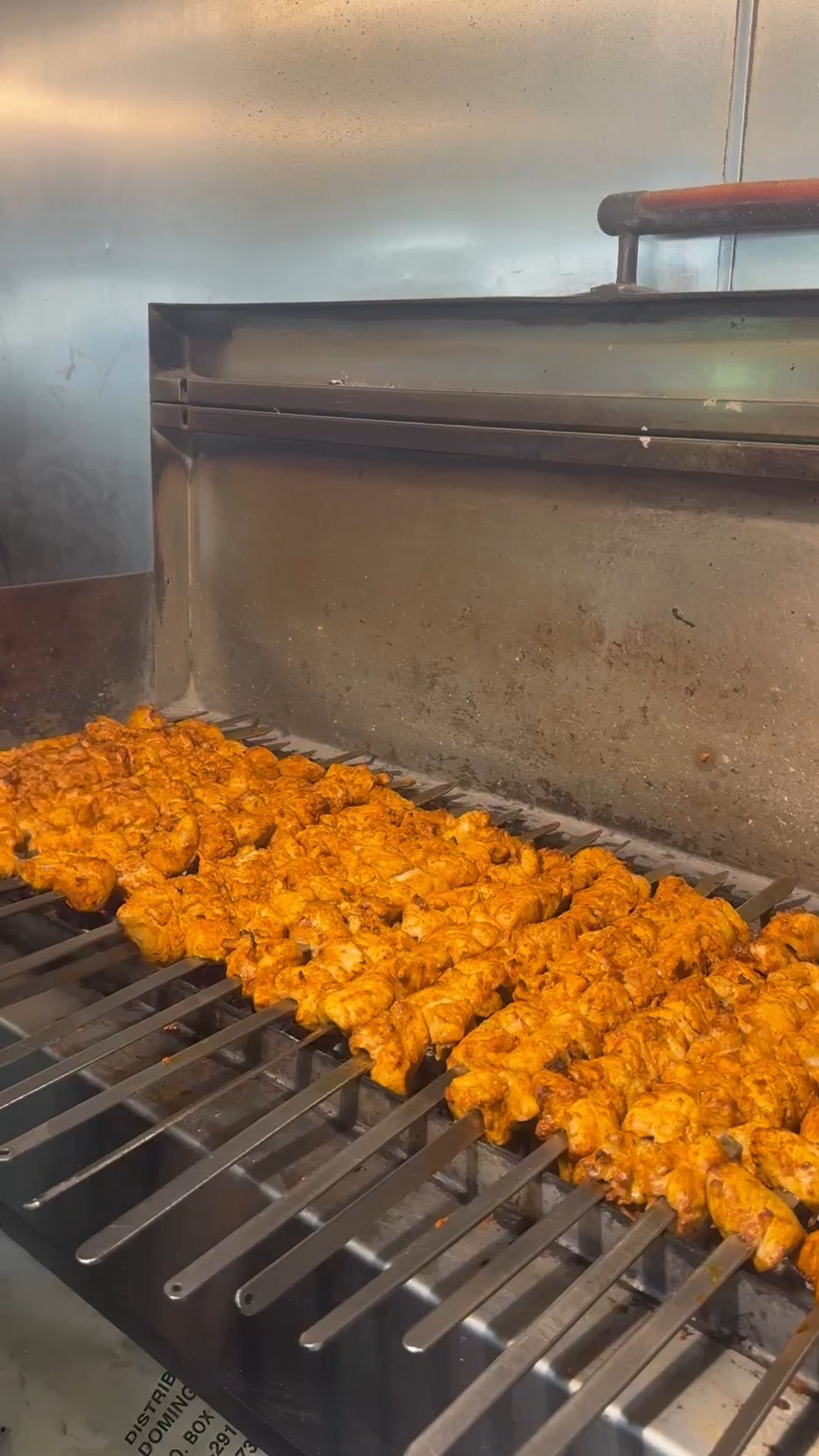
At Sahara, chicken skewers still go over an open charcoal flame because there is no other way to get that flavor.
“Real charcoal. Real fire. Real flavor. 🔥🧡 There’s something special about food cooked over an open charcoal flame. the rich flavor, and that unmistakable taste you just can’t recreate. It’s a tradition we’re proud to continue here in Pasadena. Visit us or order by phone. (626) 795 6900 #SaharaPasadena #PasadenaEats #PasadenaRestaurants #MiddleEasternCuisine #MediterraneanFood”
Restaurant Notice · From your post
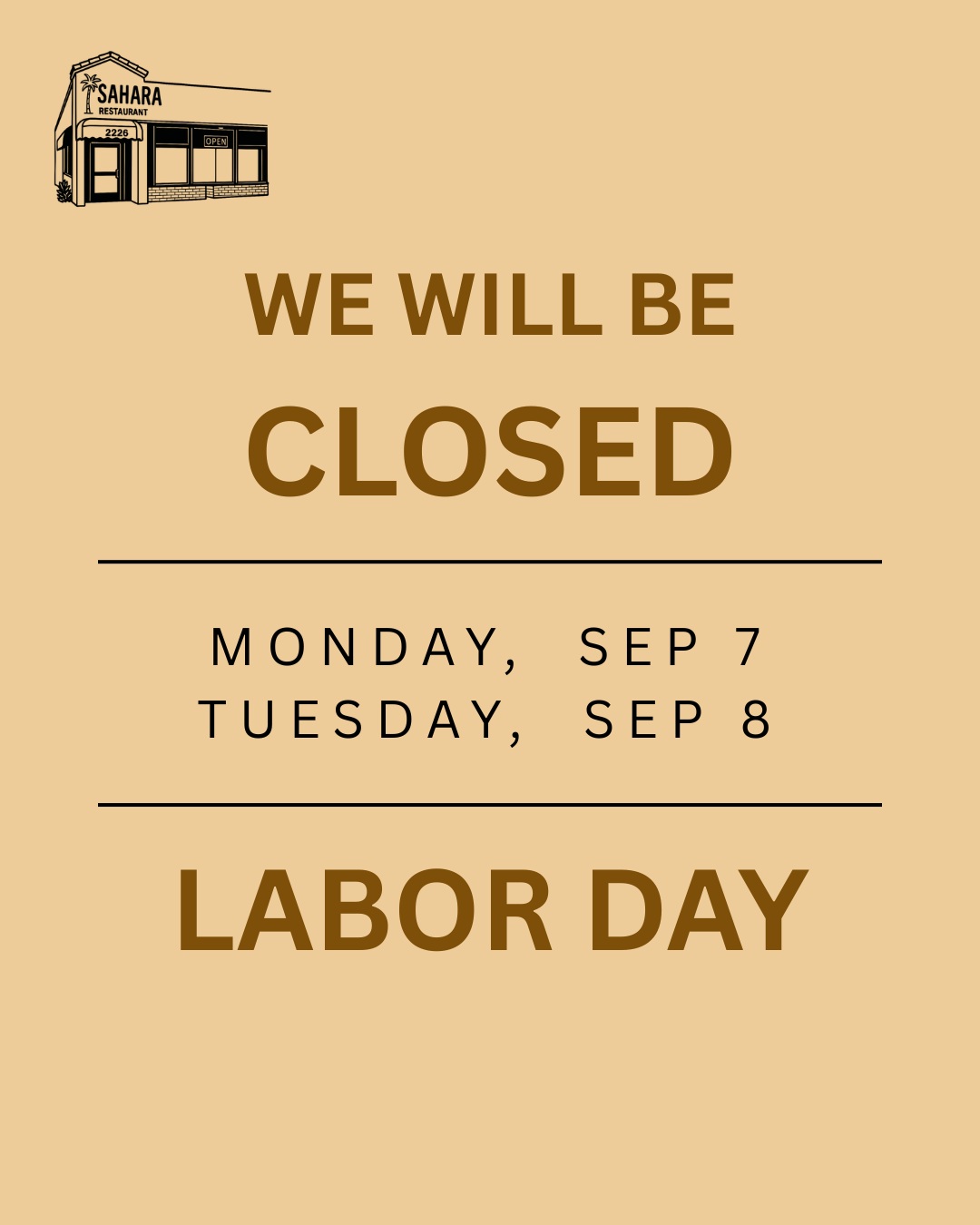
The Middle Eastern kitchen in Pasadena will be dark Monday, September 7 and Tuesday, September 8 for the holiday.
“🇺🇸 Labor Day 🧡 Sahara Middle Eastern Cuisine will be closed on Monday, September 7, and Tuesday, September 8. Have a wonderful Labor Day! 🧡”
The Mixed Grill · From your post
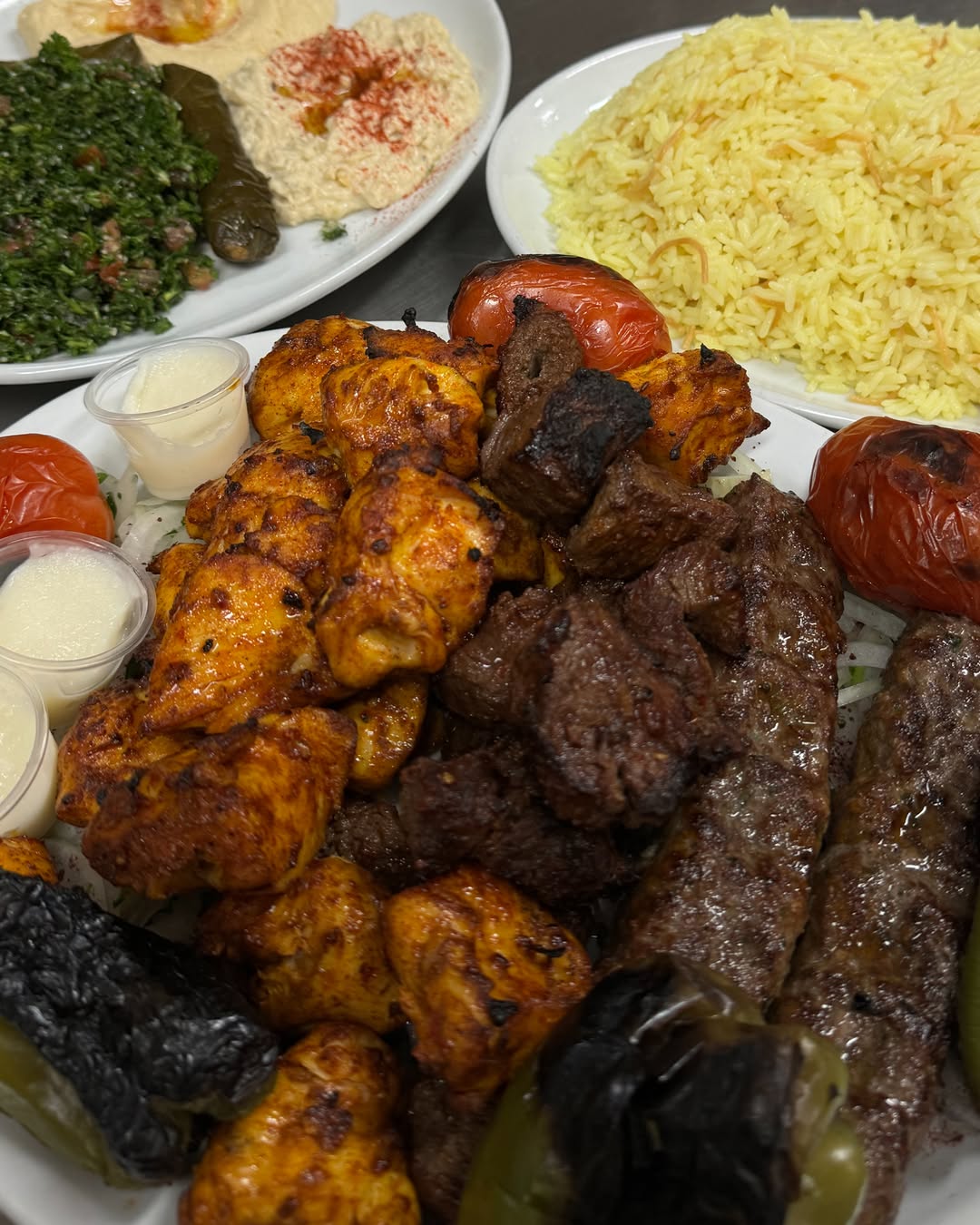
A closer look at the mixed grill that anchors our menu and the sides that build the rest of the table.
“Your favorite Middle Eastern flavors are waiting 🧡 Visit us or order by phone. (626) 795 6900 #SaharaPasadena #PasadenaEats #PasadenaRestaurants #MiddleEasternCuisine #MediterraneanFood”
One social post becomes another searchable entry point to Sahara.
Our own magazine. Clicks and citations from Google Search Console, as of September 15, 2026.
Draft story for saharapasadenaca.com · On The Grill
At Sahara, chicken skewers still go over an open charcoal flame because there is no other way to get that flavor.
Rows of marinated chicken skewers line up across the grill, packed shoulder to shoulder over open flame. The color alone tells you something about what is coming: a deep, even orange crust from a marinade that has had time to soak in before it ever touches the heat. This is not food finished quickly under a broiler. It is food built the slower way, over real charcoal, the way it has always been done here.
There is a difference between food cooked over gas and food cooked over charcoal, and it is not subtle once you have tasted both. Charcoal burns hotter and less evenly, which forces a cook to pay attention. It chars the edges of the meat while keeping the inside tender, and it leaves behind a smokiness that no marinade or spice blend can fake. That contrast, char outside, juice inside, is the whole point of cooking this way.
Charcoal is slower to light, harder to control, and messier to maintain than gas. Most kitchens moved away from it decades ago because it is simply more work. We have kept it because the work is the reason the food tastes the way it does. Every skewer that comes off this grill carries a slight variation, a little more char here, a little more smoke there, because fire behaves like fire and not like a dial.
That inconsistency is not a flaw. It is what makes each batch feel handled rather than manufactured. When skewers come off the flame in Pasadena, they carry the smell of the charcoal itself, not just the seasoning underneath it. It is the kind of detail that is easy to miss until you taste the alternative, and then it becomes obvious why so many kitchens that used to cook this way eventually stopped bothering to try.
Look closely at the skewers on the grill and you can see the marinade has already done its job before the fire ever gets involved: deep orange color, visible spice clinging to every piece, nothing pale or undercooked hiding underneath. The charcoal finishes what the marinade started, tightening the outside while the heat pushes through to the center. It is a two step process, seasoning first and fire second, and neither step works without the other.
The rows on the grill are not spaced out for show. Keeping the skewers close together lets the heat move evenly across the batch, so one end of the grill is not lagging behind the other. It is a practical detail, not a decorative one, but it is also part of why the kitchen can keep pace when the flame is doing most of the real work rather than a machine doing it for us.
We think of this as a tradition worth continuing rather than a technique worth advertising. Charcoal grilling has a long history in Middle Eastern and Mediterranean cooking for a simple reason: it works, and it has never needed improving. Sticking with it here in Pasadena is less about nostalgia and more about not wanting to trade away something that actually changes how the food tastes once it reaches the table.
None of this requires a special occasion. It is the same grill, the same charcoal, the same skewers whether it is a quiet weekday or a packed weekend. Visit us in Pasadena or call ahead at (626) 795 6900 to order, and you will get the same fire fed process every time, because that consistency in method, not in convenience, is exactly what keeps the flavor recognizable.
Draft story for saharapasadenaca.com · Restaurant Notice
The Middle Eastern kitchen in Pasadena will be dark Monday, September 7 and Tuesday, September 8 for the holiday.
Sahara Middle Eastern Cuisine will be closed on Monday, September 7 and Tuesday, September 8 in observance of Labor Day. That covers the holiday itself and the day after, which means two full days without service at the Pasadena storefront. Regular hours pick back up once those two days pass, and there is no change planned beyond this short window on the calendar.
A single storefront sketch anchors the announcement, the same simple line drawing of the building at 2226 with its awning and front windows marked open. It is a familiar image for anyone who has walked past the restaurant, and here it sits above the closure dates in plain type, doing the job of a sign taped to the door without anyone having to drive over to read it.
Two days closed is not a small gesture for a restaurant that depends on daily service to function. Every table not seated on Monday and Tuesday is a table that simply will not happen this week. Choosing to step away from that regardless of what it costs says something about how the holiday is being treated here, not as an afterthought but as a full stop worth planning around in advance.
Labor Day itself falls on Monday, September 7, and closing through Tuesday extends the break by an extra day. That second day is worth noting for anyone used to treating the holiday as a single closed date and planning a Tuesday visit as the fallback. Here, both days are off the table, so anyone hoping to eat at Sahara that week should plan around Wednesday instead.
For a restaurant, deciding to close on a day when many people are off work and looking for somewhere to eat is not the obvious move. It means turning away exactly the kind of foot traffic a long weekend tends to bring. That the decision holds anyway suggests the closure is treated as time for the people running the kitchen and dining room, not simply a slow business day to skip.
The message closes with a straightforward wish for a good Labor Day, aimed at the same audience who will notice the doors are locked and want to know why. It is short, direct, and framed around the holiday itself rather than the inconvenience of the closure, which fits a restaurant used to talking to people who already know the place and just need the schedule.
Anyone with Sahara on their list for that Monday or Tuesday should shift plans to another day that week. The restaurant will not be taking orders, seating tables, or answering the phone for service on either date. It is a small adjustment for regulars who visit often enough to have a usual order, and an easy one to make now that the dates are set.
Two closed days over a holiday weekend is a minor pause in the larger rhythm of a restaurant that otherwise runs its normal schedule the rest of the year. Sahara will be back open once Tuesday passes, ready to seat the same tables and serve the same menu that regulars in Pasadena already know. The break is brief, clearly marked, and over before the week is out.
Draft story for saharapasadenaca.com · The Mixed Grill
A closer look at the mixed grill that anchors our menu and the sides that build the rest of the table.
The platter that leaves our kitchen at Sahara is built around contrast. Charred chicken kebab sits next to seared beef, and two grilled sausages hold the edge of the plate with a blistered green pepper tucked beside them. Whole tomatoes go straight onto the grill until their skins darken and split, which is a small detail that changes how the whole plate tastes.
Nothing on that grill plate is dressed up. The chicken gets its color from the marinade, not from sauce poured on after the fact, and the beef is left dark at the edges on purpose. That char is flavor, not an accident of a busy kitchen. It is the kind of thing you only get right by cooking the same way, the same care, plate after plate after plate.
Two small cups of garlic sauce ride along with the meat, and they are there for a reason. Grilled meat this direct benefits from something cool and sharp to cut through it. A dip of that sauce on a bite of beef or chicken resets your palate for the next bite, which is exactly why we keep it on every mixed grill order instead of leaving it optional.
Behind the grill plate, a full dish of vermicelli rice sits ready, the kind of rice built to soak up whatever juice runs off the meat. It is simple on its own, but it is not meant to be eaten on its own. Its job is to round out a bite of kebab or sausage, giving the meal texture and weight that the grilled proteins do not carry by themselves.
Off to the side, tabbouleh and stuffed grape leaves keep the plate honest. The tabbouleh is heavy on parsley and cut fine, with tomato and bulgur giving it structure rather than bulk. The grape leaves are rolled tight and served cool, a deliberate break from everything hot on the rest of the table. Together they are the reason the meal does not feel like meat and rice alone.
Two small plates of hummus round out the spread, one finished with a dusting of paprika and a swirl of olive oil across the top. It is a small gesture, but it matters. Hummus is often treated as filler on a Middle Eastern table, and we do not treat it that way here. It is meant to be eaten with warm bread, scooped generously, not left as an afterthought.
None of these dishes are meant to be ranked against each other. The kebab is not more important than the tabbouleh, and the rice is not just a bed for the meat. Each part earns its place on the plate by doing something the others do not, and that balance is what makes a full Middle Eastern spread feel complete rather than just heavy.
If you are ordering for a table, this is the plate that makes the most sense to start with. It gives everyone a taste of the grill, the greens, and the classics side by side, and it travels just as well as it eats fresh. We are open for walk in service, and phone orders go straight to the kitchen when you call us directly at Sahara.
Keep reading