
The recovery ritual that happens after the workout ends
Red light, infrared heat, and lymphatic work make up the part of training most people never see.
REFORME HOLISTIC CENTER STAFFTurn your social into search
We turn your posts into editorial stories that bring new search traffic to reformenyc.com. Three of yours will be on this page.
Book a demo
reforme.nyc One of my favorite wellness rituals. 🤍 @reforme.nyc We always talk about training and nutrition, but recovery is just as important. My recovery routine includes. ❤️ Red Light Therapy. supports muscle recovery, healthy skin, and collagen production. 🔥 Far Infrared Sauna. helps relax muscles, supports circulation, and helps me unwind after training. ✨ Endosphères Therapy. supports lymphatic drainage, helps reduce temporary water retention, and relieves muscle tension. Recovery doesn’t replace the basics. it complements them. Taking care of my body helps me recover better, feel better, and keep performing at my best.
Red light, infrared heat, and lymphatic work make up the part of training most people never see.
REFORME HOLISTIC CENTER STAFFHow it works
Same as today. Nothing changes on Instagram.
We turn your post into a full story in your voice within the hour.
One click publishes it to reformenyc.com. Nothing goes live without you.
Your stories
Nothing was published anywhere. You decide that. Every word will come from your own posts, your own photos and your own treatments.
Recovery Routine · From your post
Red light, infrared heat, and lymphatic work make up the part of training most people never see.
“One of my favorite wellness rituals. 🤍 @reforme.nyc We always talk about training and nutrition, but recovery is just as important. My recovery routine includes. ❤️ Red Light Therapy. supports muscle recovery, healthy skin, and collagen production. 🔥 Far Infrared Sauna. helps relax muscles, supports circulation, and helps me unwind after training. ✨ Endosphères Therapy. supports lymphatic drainage, helps reduce temporary water retention, and relieves muscle tension. Recovery doesn’t replace the basics. it complements them. Taking care of my body helps me recover better, feel better, and keep performing at my best.”

Winter Recovery · From your post
At Reforme, colder months are an invitation to support circulation and drainage rather than push harder.
“Winter isn’t the time to push, it’s the time to restore circulation, drainage, and rhythm. Endospheres support the body’s natural reset, so energy can return without force.”
New Beginnings · From your post
Before any plan or resolution, we ask clients to notice how they actually feel right now.
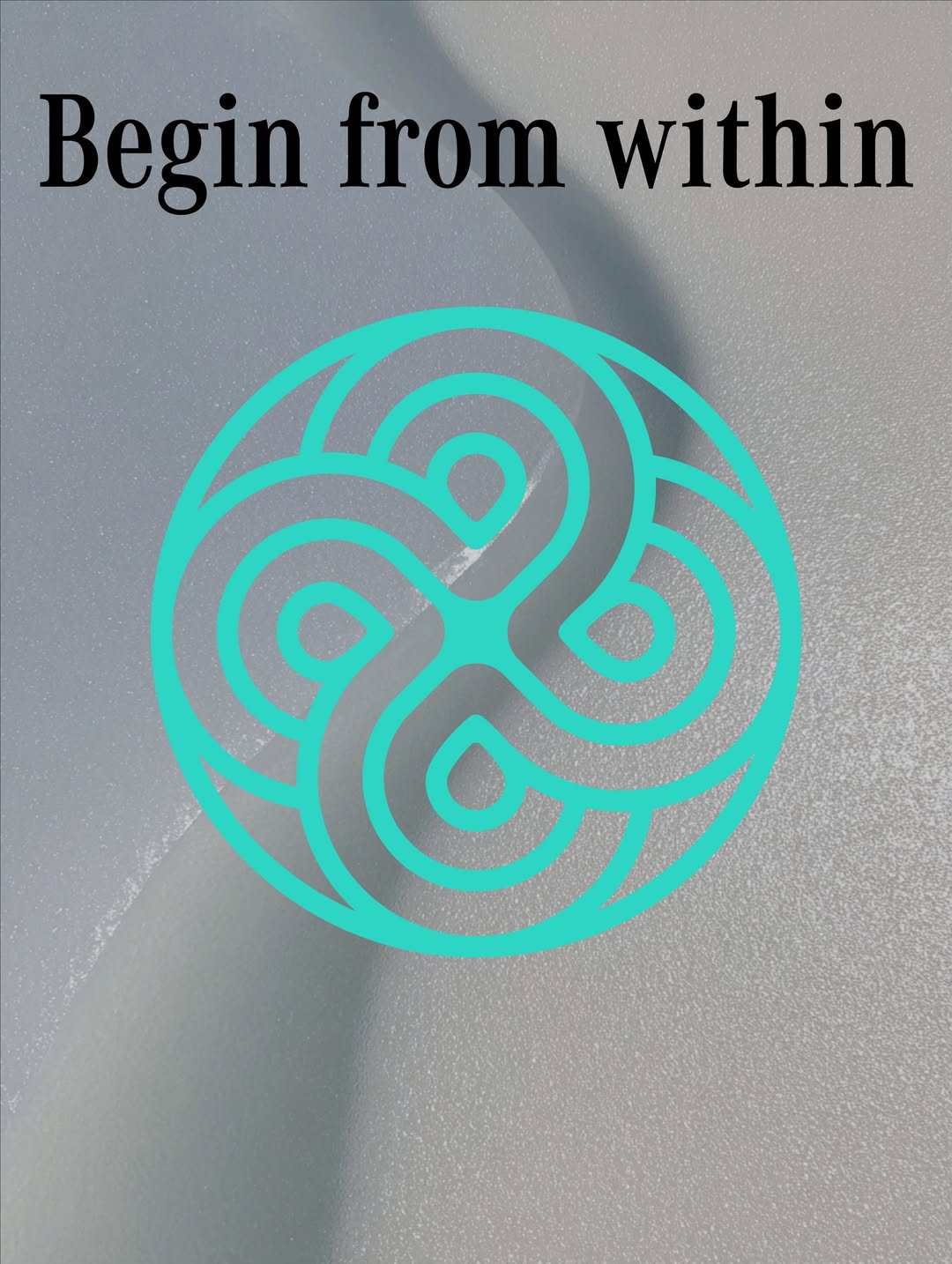
“The year begins in the heart, not on the page. Feel your presence before you progress, this is your starting line.”
One social post becomes another searchable entry point to Reforme Holistic Center.
Our own magazine. Clicks and citations from Google Search Console, as of September 15, 2026.
Draft story for reformenyc.com · Recovery Routine
Red light, infrared heat, and lymphatic work make up the part of training most people never see.
Training gets the attention. The heavy sets, the sweat, the personal records. What happens after, in a quiet room with a towel wrapped around you and a phone raised for one photo before the next appointment, rarely gets the same credit. At Reforme, recovery is treated as its own discipline, not an afterthought squeezed in when there is spare time.
The routine has three parts, each doing a different kind of work on the body. None of them are flashy. None of them require lifting anything or pushing through fatigue. They are quiet, almost passive interventions, the kind that ask you to lie down, sit still, or simply breathe, while the actual recovery happens underneath the surface.
Red light therapy is the first layer, used to support muscle recovery, healthy skin, and collagen production. It is not a treatment that demands anything from the body. You show up, you receive the light, and the effects accumulate quietly over time rather than announcing themselves in a single session.
Far infrared sauna comes next, and its role is different: relaxing muscles, supporting circulation, and giving the nervous system a chance to unwind after training stress. Heat has always been part of recovery culture, but far infrared works at a gentler, deeper level than a standard sauna, which is why it fits so naturally into a post workout routine built around calming the body down.
Endospheres therapy rounds out the sequence, targeting lymphatic drainage, easing temporary water retention, and relieving muscle tension that lingers after hard training. It is a mechanical, hands off approach to the same problem massage has always tried to solve: helping fluid move, helping tissue release, helping the body process the physical toll of exertion instead of just carrying it forward.
None of this replaces training or nutrition, and it is not meant to. The point is addition, not substitution. Red light, heat, and lymphatic support do not build strength or fuel performance. What they do is help the body absorb the work already done, recover with less residual tension, and show up to the next session in better condition than it would otherwise.
Taken together, the three pieces form a rhythm: light for tissue repair, heat for circulation and calm, pressure based therapy for drainage and release. It is not complicated, and it does not need to be. Consistency matters more than intensity here, the same way consistency matters in the training itself.
Recovery rarely looks impressive from the outside. There is no personal record to log, no visible progress to post. But the difference shows up later, in how the body feels the next morning, how quickly soreness fades, and how ready it is to keep performing. That quiet, unglamorous maintenance is the part of fitness worth paying attention to.
Draft story for reformenyc.com · Winter Recovery
At Reforme, colder months are an invitation to support circulation and drainage rather than push harder.
There is a version of wellness that treats every season the same, pushing intensity year round regardless of what the body is actually asking for. We do not work that way. Winter, in particular, calls for a different approach. It is not a time to force results through effort. It is a time to restore the systems that let the body function well in the first place.
That means circulation. It means drainage. It means rhythm, the kind that gets disrupted by shorter days, colder air, and bodies that naturally slow down this time of year. Rather than resist that shift, we work with it. The goal is not to override winter's effect on the body but to support what the body is already trying to do on its own.
This is where Endospheres comes in. The technology is designed to support the body's natural reset, encouraging circulation and drainage without relying on force or intensity to get there. It is a gentler mechanism than the push harder model many people associate with results, and that gentleness is intentional rather than incidental to how it works.
The idea is that energy should not need to be manufactured through strain. When circulation and drainage are functioning well, energy has a way of returning on its own. Endospheres is built around supporting that return rather than manufacturing a sense of intensity that fades once the appointment ends and the body goes back to its usual patterns.
There is something worth noticing in a person standing at a mirror in a robe, hands resting near their face, unhurried. It is a small, ordinary moment, but it reflects the pace we are describing. Restoration does not always look dramatic. Often it looks like this: quiet, unforced, a few minutes taken without urgency attached to them, a face examined rather than rushed past.
That pace matters more in winter than people tend to assume. The body is already managing less daylight, more indoor time, and a general slowdown in movement. Adding more pressure on top of that rarely produces the outcome people are hoping for. Supporting circulation and drainage during this stretch tends to serve the body better than trying to power through it.
Our approach to Endospheres during winter reflects that thinking. We are not asking clients to fight the season. We are asking them to use it, treating the slower months as an opening to restore rather than a gap to push through. Circulation, drainage, and rhythm are not flashy goals, but they are the ones that make everything else function properly.
None of this requires reinventing how someone approaches self care. It simply means shifting when and why they show up. Winter, treated this way, becomes less of an obstacle and more of a reset point, a stretch of the year built for supporting the body's own processes so that when energy does return, it returns without having been forced.
Draft story for reformenyc.com · New Beginnings
Before any plan or resolution, we ask clients to notice how they actually feel right now.
A new year tends to arrive as a list. Resolutions, goals, a fresh page waiting to be filled with intentions we hope will stick. We think that order is backwards. The page can wait. What matters first is something quieter: whether you can actually feel your own presence, in your own body, before you decide what you want to change about it.
That is the idea behind begin from within. Not a slogan so much as a starting instruction. Progress assumes a direction, a destination, a plan to measure yourself against. Presence asks something simpler and, in practice, harder: can you sit still enough to notice where you are right now, without immediately reaching for where you think you should be instead.
We say this as a holistic center because the two ideas, presence and progress, are not opposites in our work, they are sequence. A treatment plan built on a body nobody has actually paused to notice tends to chase symptoms instead of addressing what is underneath them. Starting from within simply means the noticing comes first, and everything else follows from what that noticing reveals.
The symbol we return to this season is a triskelion, three spirals turning from a single center point outward. It reads as motion, but motion that keeps circling back to where it began. That feels like an honest picture of how real change actually moves. Not a straight line from resolution to result, but a return, again and again, to the same steady center.
Most starting lines are external. A date on a calendar, a number on a scale, a deadline set by someone else's timeline. The starting line we are describing sits somewhere else entirely: in the heart, as the words put it, rather than on the page where resolutions usually live. It is less dramatic than a countdown, and considerably harder to fake your way through.
This is not a suggestion to skip planning altogether. Plans matter. But a plan built on top of a body you have not actually checked in with is a plan built on a guess. Feeling your presence first, however briefly, gives the rest of the year something real to respond to, rather than an assumption about who you were last January.
So before the resolutions get written down, before the calendar fills in, we would ask a simpler question first. Not what do you want to achieve this year, but where are you right now, actually, in the body you are standing in today. That is the starting line we keep coming back to, and it is available before a single plan gets made.
The year will still begin on the page eventually. Calendars get filled, appointments get booked, goals get named out loud. But the heart gets there first, or at least it should. Begin from within is less a theme for the season than a standing instruction we keep returning to with every client who walks through the door still holding last year's list.
Keep reading