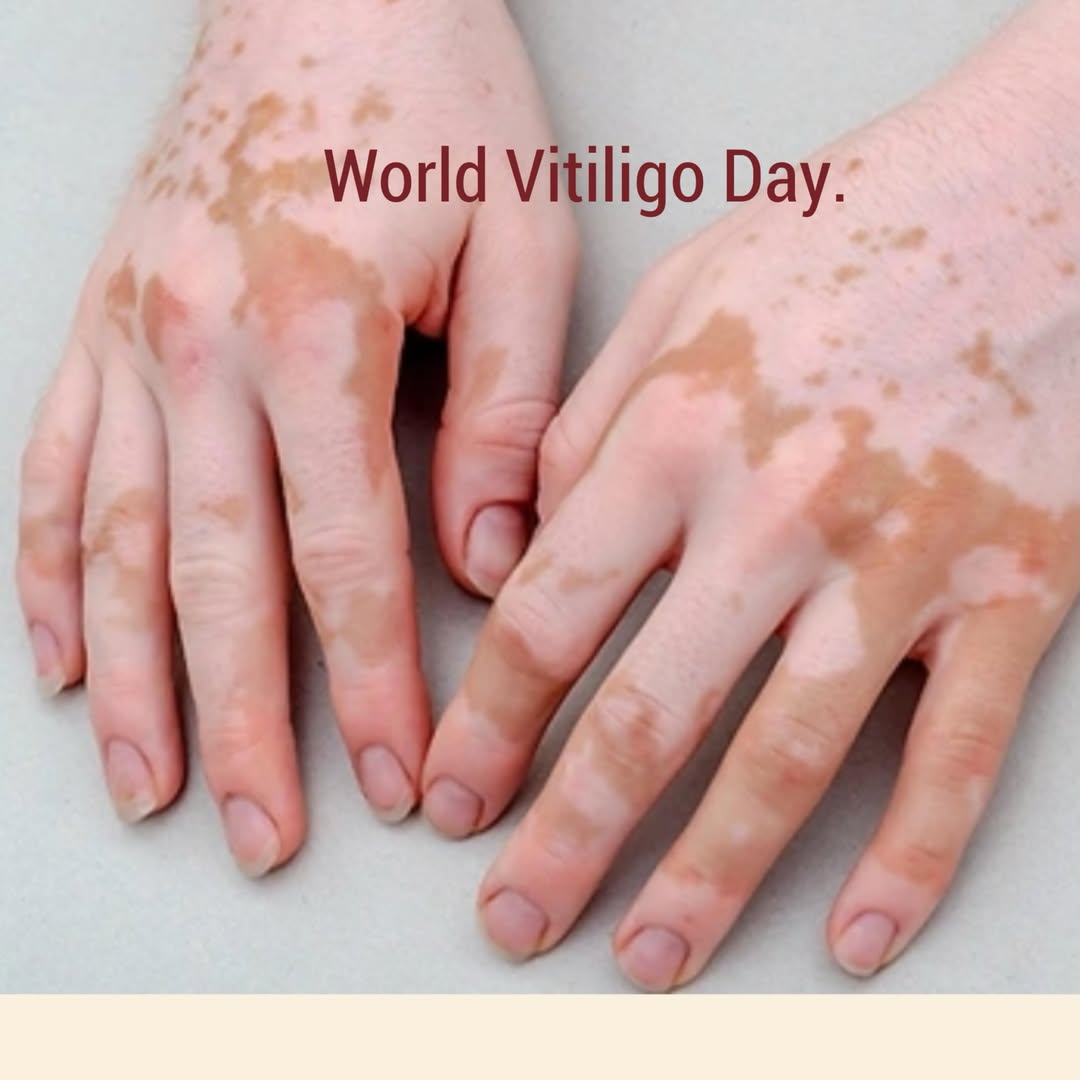
What vitiligo actually is, and how treatment has changed
On World Vitiligo Day, a closer look at the autoimmune skin condition and the treatments now available for it.
PURE SKIN OF BEVERLY HILLS STAFFTurn your social into search
We turn your posts into editorial stories that bring new search traffic to pureskinbh.com. Three of yours will be on this page.
Book a demo
pureskinofbh Today is #WorldVitiligoDay. This is an important day to bring awareness to this common autoimmune #skincondition. Vitiligo is not contagious or a skin infection. And it is not brought on as a curse from God. Rather, vitiligo is a #lossofpigment in the skin cells and can be caused by genetics and trauma to the skin. It is associated with #autoimmune health conditions such as thyroid disease, type 1 diabetes, a type of anemia, and alopecia areata. Today there are FDA approved topical Opzelura cream and laser treatments. Soon to be available are systemic oral JAK therapies. @pureskinofbh
On World Vitiligo Day, a closer look at the autoimmune skin condition and the treatments now available for it.
PURE SKIN OF BEVERLY HILLS STAFFHow it works
Same as today. Nothing changes on Instagram.
We turn your post into a full story in your voice within the hour.
One click publishes it to pureskinbh.com. Nothing goes live without you.
Your stories
Nothing was published anywhere. You decide that. Every word will come from your own posts, your own photos and your own treatments.
Skin Health · From your post
On World Vitiligo Day, a closer look at the autoimmune skin condition and the treatments now available for it.
“Today is #WorldVitiligoDay. This is an important day to bring awareness to this common autoimmune #skincondition. Vitiligo is not contagious or a skin infection. And it is not brought on as a curse from God. Rather, vitiligo is a #lossofpigment in the skin cells and can be caused by genetics and trauma to the skin. It is associated with #autoimmune health conditions such as thyroid disease, type 1 diabetes, a type of anemia, and alopecia areata. Today there are FDA approved topical Opzelura cream and laser treatments. Soon to be available are systemic oral JAK therapies. @pureskinofbh”
Skin Health · From your post
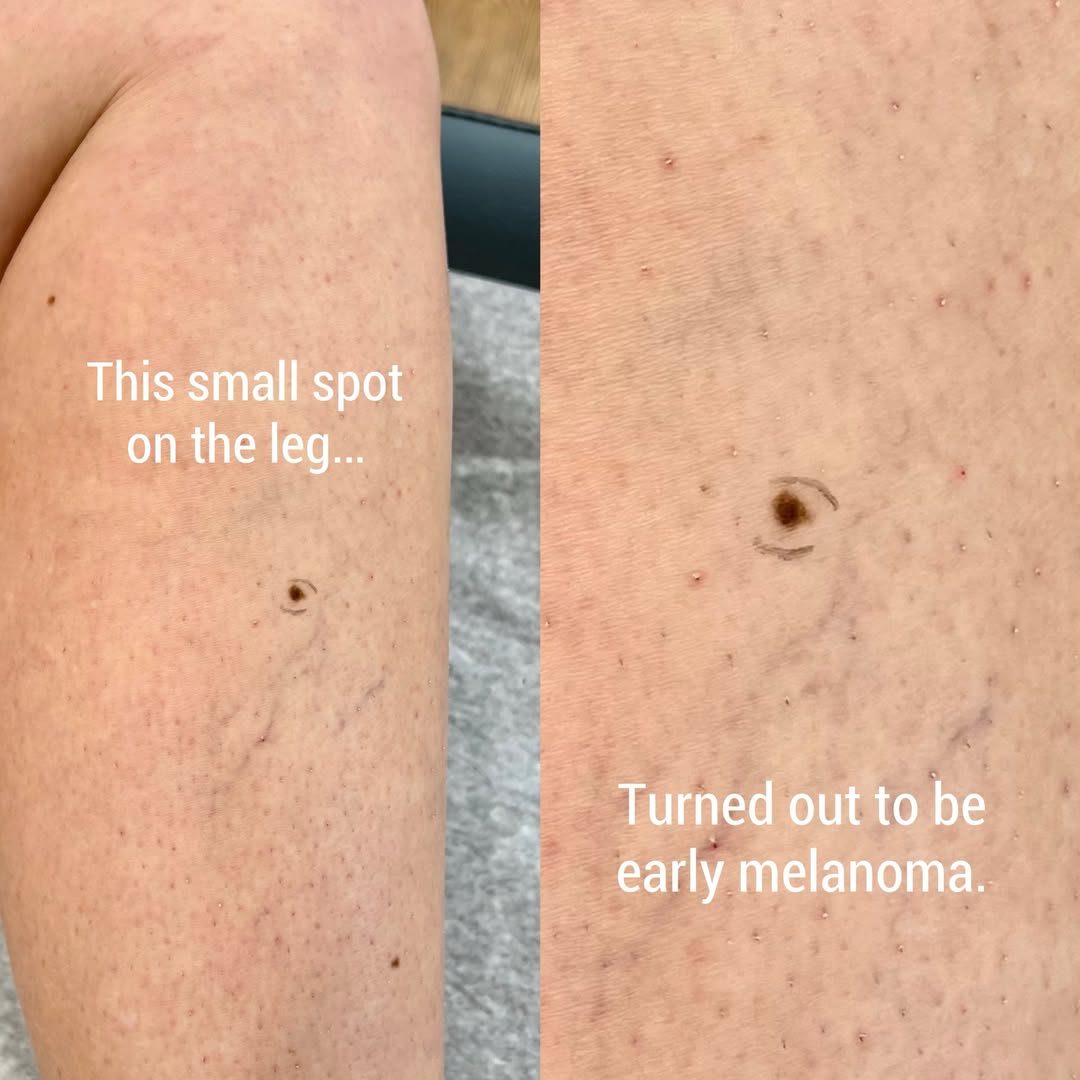
One patient noticed a mole was changing and came in for a skin exam, a decision that caught melanoma early.
“Recently, a patient showed up for a #skinexam. She noticed this small dark mole had been changing over the last few months. (It’s so important to listen to the patient.) A biopsy was performed and the skin was analyzed by a dermatopathologist. It came back as early #melanoma, which is a potentially deadly type of skin cancer. It’s so important to do a self skin exam every month and to see a dermatology specialist yearly. It could save your life. #skinhealth #tanningisbadforyourhealth”
Skin Health · From your post
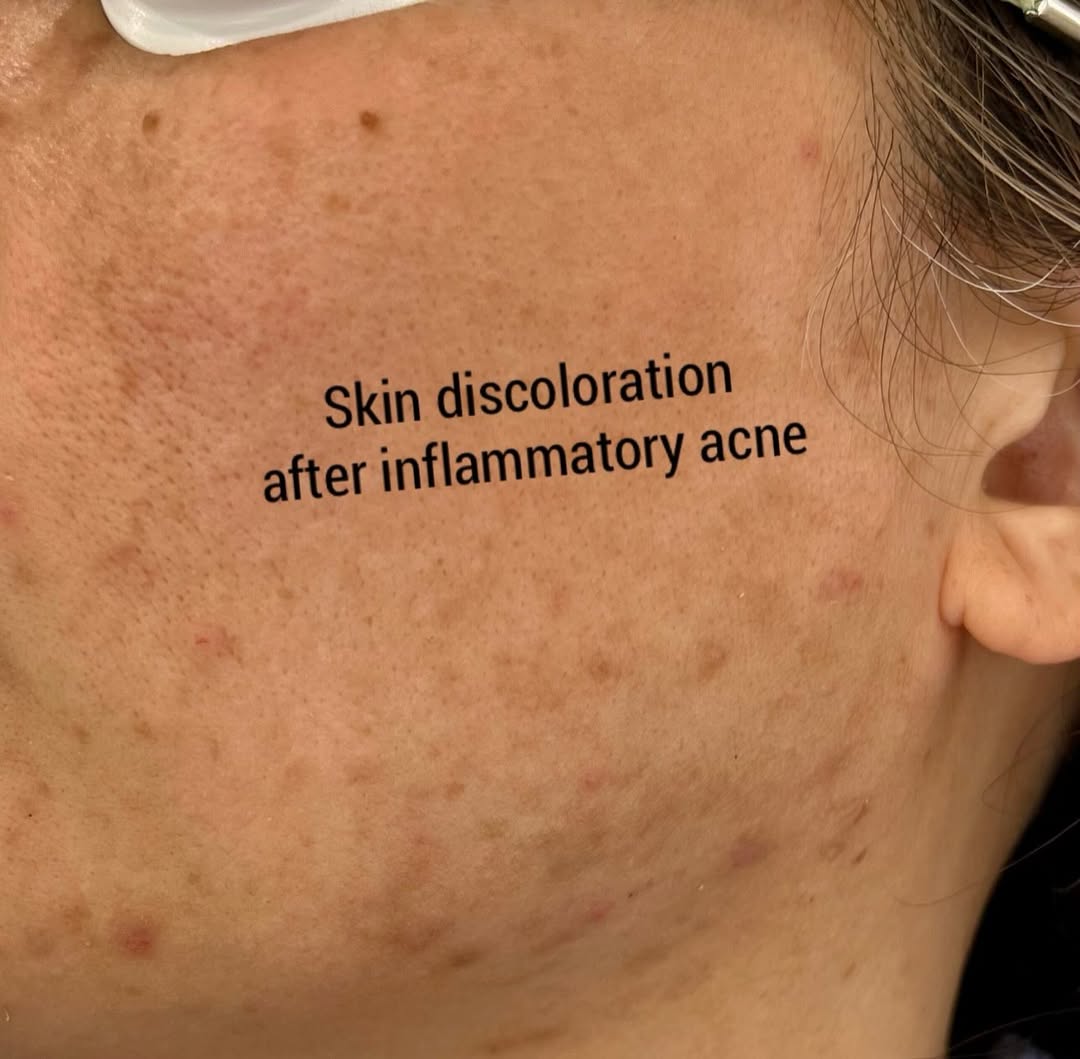
Post inflammatory discoloration is not the same as scarring, and knowing the difference changes how we treat it.
“#acnecysts have a way of discoloring your skin. It starts out red and can turn brown. Thankfully these are not true acne scars. These post inflammatory brown spots can be treated with the @aerolaseneo laser. The laser reduces inflammation and pigmentation, as well as redness. @pureskinofbh”
One social post becomes another searchable entry point to Pure Skin of Beverly Hills.
Our own magazine. Clicks and citations from Google Search Console, as of September 15, 2026.
Draft story for pureskinbh.com · Skin Health
On World Vitiligo Day, a closer look at the autoimmune skin condition and the treatments now available for it.
World Vitiligo Day exists for a simple reason. Vitiligo is common, it is misunderstood, and the misunderstanding causes real harm. A pair of hands marked with light and dark patches of skin is not evidence of infection, injury, or anything contagious. It is a visible sign of an autoimmune process, and it deserves to be discussed with the same clarity we would use for any other diagnosed skin condition.
Vitiligo is a loss of pigment in the skin cells. It is not a curse, not a punishment, and not something a person did to themselves. The cause is rooted in genetics and can also be triggered by trauma to the skin. Understanding that origin matters, because so much of the stigma around vitiligo comes from old, incorrect beliefs rather than from the actual biology behind it.
Vitiligo rarely exists in isolation. It is associated with a cluster of other autoimmune conditions, including thyroid disease, type 1 diabetes, a type of anemia, and alopecia areata. That connection is worth knowing, both for patients managing vitiligo and for anyone trying to understand their own health picture more fully. Skin can be an early signal of what is happening elsewhere in the body's immune system.
Because of that link, vitiligo is best approached as a whole body condition rather than a purely cosmetic one. Recognizing the pattern of associated autoimmune conditions helps frame the right questions for a medical evaluation. It also reframes the condition itself. The patches on the skin are not the whole story. They are one visible expression of a broader immune response worth paying attention to.
Treatment for vitiligo has moved forward in meaningful ways. Opzelura cream is FDA approved and available today as a topical option, alongside laser treatments that are already part of current care. These are real, accessible tools, not experimental ideas. For patients who have lived with vitiligo without a clear treatment path, having FDA approved options on the table changes what a conversation about care can look like.
Beyond what is available now, systemic oral JAK therapies are on the horizon. These treatments work differently than topical options, addressing the condition from within rather than only at the surface. Their arrival signals a broader shift in how vitiligo is being approached across dermatology, moving from a single external treatment toward a fuller range of options suited to different patients and different presentations of the condition.
Awareness days like this one matter because language shapes how a condition is treated, both medically and socially. Naming vitiligo accurately, as a loss of pigment linked to autoimmune activity, replaces old myths with facts that hold up. That shift benefits everyone living with visible patches of depigmented skin, whether on the hands, the face, or elsewhere on the body.
We think the most useful thing we can offer today is clarity. Vitiligo is not contagious, not a curse, and not untreatable. It is a documented autoimmune condition with a growing set of treatment options, from topical creams and laser therapy available now to oral therapies still to come. That progress is worth marking, and worth talking about honestly.
Draft story for pureskinbh.com · Skin Health
One patient noticed a mole was changing and came in for a skin exam, a decision that caught melanoma early.
A patient came in for a skin exam because she had noticed something small but persistent: a dark mole on her leg that seemed to be changing over the course of a few months. It was not painful. It was not dramatic. It was just different enough from before that she decided to mention it rather than wait and see what happened next.
That decision mattered. We performed a biopsy on the mole, and the tissue was sent out for analysis by a dermatopathologist, a specialist trained to read exactly this kind of sample under a microscope. The results came back as early melanoma, a type of skin cancer that can turn deadly if it is allowed to advance without treatment.
What stands out most about this case is where the discovery actually started. It did not begin with an advanced imaging tool or a routine scan flagging something unusual. It began with a patient paying attention to her own body over time and noticing that a mole she had seen before no longer looked quite the same as she remembered.
That kind of noticing is something everyone can do, and it does not require special equipment. It just requires a habit. Looking at your own skin regularly, including areas like the legs that are easy to overlook, gives you a baseline. Once you have that baseline, a change in size, shape, color, or border becomes something you can actually catch.
A self skin exam does not need to be complicated. It means setting aside a few minutes once a month to look over your skin in good light, checking areas you can see easily and using a mirror or asking someone to help with the ones you cannot. The goal is simply to notice anything that looks new or different from the last time you checked.
Alongside that monthly habit, we recommend a yearly visit with a dermatology specialist for a full skin exam. A trained eye can catch details that are easy to miss on your own, and early melanoma in particular can look deceptively small and unremarkable, much like the mole in this case did before it was biopsied and identified.
Melanoma caught early is a very different situation than melanoma caught late. The earlier it is identified, the more treatment options exist and the better the outcome tends to be. That difference is exactly why this case matters as an example. A mole that looked minor turned out to be something serious, and the only reason it was caught was because someone brought it up.
If you have noticed a spot on your skin that seems to be changing, whether it is on your leg, your arm, or anywhere else, it is worth having it looked at rather than waiting to see if it changes again. A skin exam is a short appointment. What it can catch, as this case shows, is not small at all.
Draft story for pureskinbh.com · Skin Health
Post inflammatory discoloration is not the same as scarring, and knowing the difference changes how we treat it.
A closed cheek covered in shallow bumps and faint brown patches tells a specific story. What starts as an inflamed acne cyst, red and raised, does not simply fade back to normal skin once the bump resolves. Instead it often shifts color, moving from red to brown as it heals, leaving behind a mark that can sit on the skin for weeks or longer after the original blemish is gone.
That discoloration has a name: post inflammatory hyperpigmentation. It is easy to mistake for scarring, especially when it shows up alongside active breakouts and lingers stubbornly on the cheeks and jawline. But the distinction matters. True acne scarring involves changes to the skin's texture, pitting or raised tissue. Discoloration is different. It is a pigment response, not a structural one, which means it responds to different treatment.
That is an important thing for anyone staring at brown spots in the mirror to understand. These marks are not permanent scars. They are the skin's temporary overreaction to inflammation, and while they can take time to fade on their own, they are treatable. Recognizing that difference early can change how someone approaches their skin, and how much frustration they carry around a breakout that has technically already healed.
Inflammatory acne is the usual trigger. Cysts sit deeper in the skin and cause more irritation than a typical surface pimple, which is part of why the pigment response afterward tends to be stronger and more widespread. Someone can have several spots in different stages at once: an active cyst, a fading red mark, and an older brown patch, all visible on the same section of cheek at the same time.
That layered pattern is exactly what makes at home guesswork frustrating. Picking a single product to treat acne scars without knowing whether the issue is pigment, redness, or texture usually means treating the wrong thing. Effective treatment starts with identifying what is actually happening in the skin, cyst, inflammation, or leftover pigment, rather than assuming every mark left behind is permanent scarring that requires aggressive intervention.
This is where we bring in the Aerolase Neo laser. It is built to address inflammation, redness, and pigmentation together, which makes it well suited to post inflammatory discoloration specifically. Rather than targeting a single symptom, it works on the layers involved in this kind of mark: the lingering redness from the original cyst and the brown pigment that follows it as the skin continues to heal.
Treating both the inflammatory and pigment components matters because they do not always resolve on the same timeline. Redness can fade while brown pigment lingers, or the reverse. A laser approach that addresses inflammation and pigmentation in the same session gives the skin a more complete path back to an even tone, rather than leaving one issue to work itself out slowly and unpredictably over time.
The larger point is one worth sitting with: acne cysts and the marks they leave behind are not the same problem, and they do not require the same fix. Understanding that discoloration is reversible, and that it responds to targeted treatment rather than just time, is often the first step toward actually addressing it instead of waiting it out.
Keep reading