How CROSS treatment targets stubborn acne scars up close
A closer look at the aggressive chemical technique we use to treat pitted acne scarring and why it is not right for everyone.
PINNACLE MODERN SKINCARE STAFFTurn your social into search
We turn your posts into editorial stories that bring new search traffic to pinnaclemodernskincare.com. Three of yours will be on this page.
Book a demo
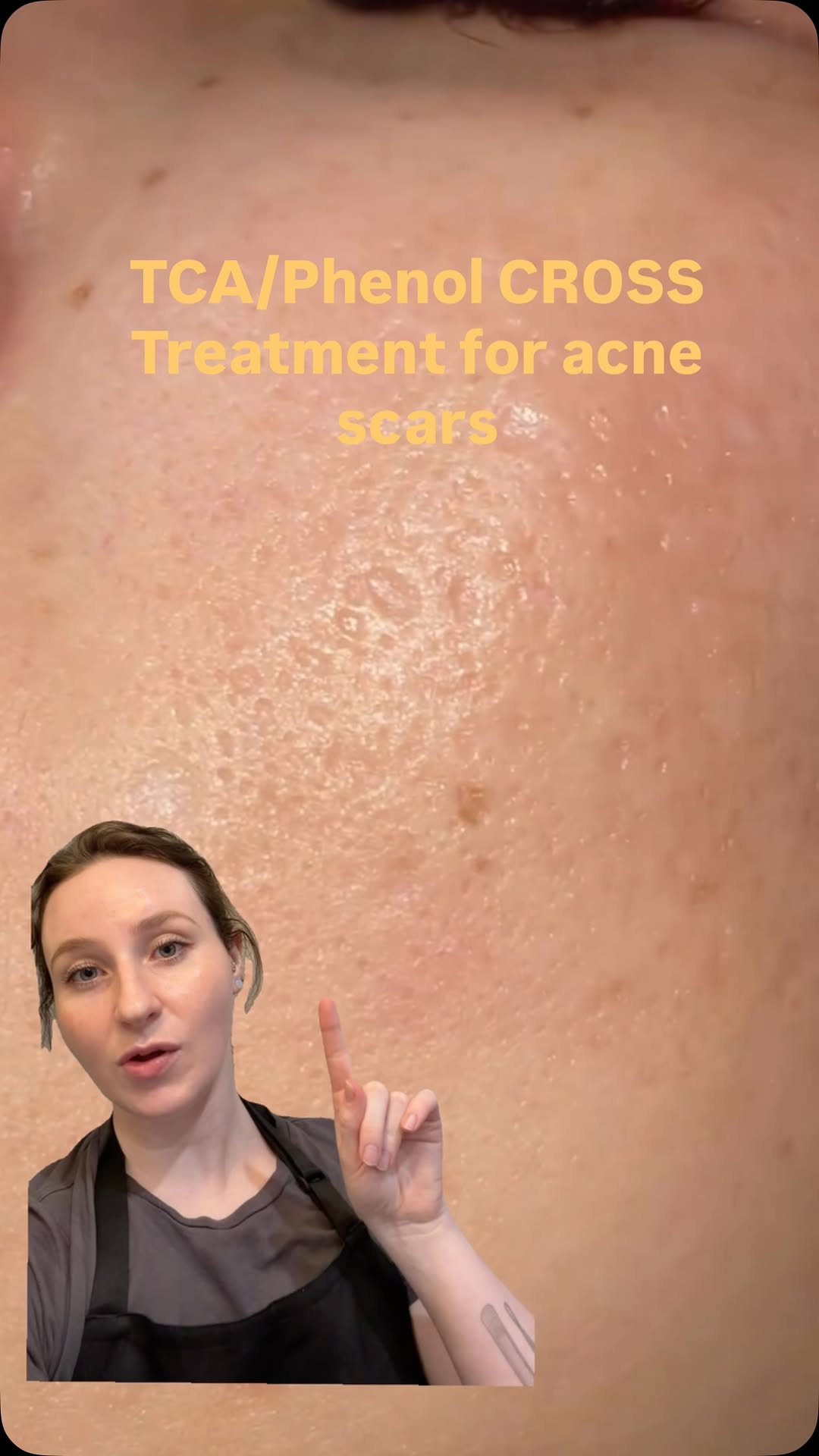
pinnaclemodernskincare This is a video demonstrating an aggressive TCA and or phenol CROSS treatment in an attempt to produce a powerful collagen response. On the right person, this can work very well to elevate the scar and smooth the edges. This particular treatment also features a laser treatment to resurface texture. #skincare #tcacross #acnescars
A closer look at the aggressive chemical technique we use to treat pitted acne scarring and why it is not right for everyone.
PINNACLE MODERN SKINCARE STAFFHow it works
Same as today. Nothing changes on Instagram.
We turn your post into a full story in your voice within the hour.
One click publishes it to pinnaclemodernskincare.com. Nothing goes live without you.
Your stories
Nothing was published anywhere. You decide that. Every word will come from your own posts, your own photos and your own treatments.
Scar Treatment · From your post
A closer look at the aggressive chemical technique we use to treat pitted acne scarring and why it is not right for everyone.
“This is a video demonstrating an aggressive TCA and or phenol CROSS treatment in an attempt to produce a powerful collagen response. On the right person, this can work very well to elevate the scar and smooth the edges. This particular treatment also features a laser treatment to resurface texture. #skincare #tcacross #acnescars”
Treatment Notes · From your post
A closer look at the layered approach behind one client's cheek, from focused peels to a daily active routine.
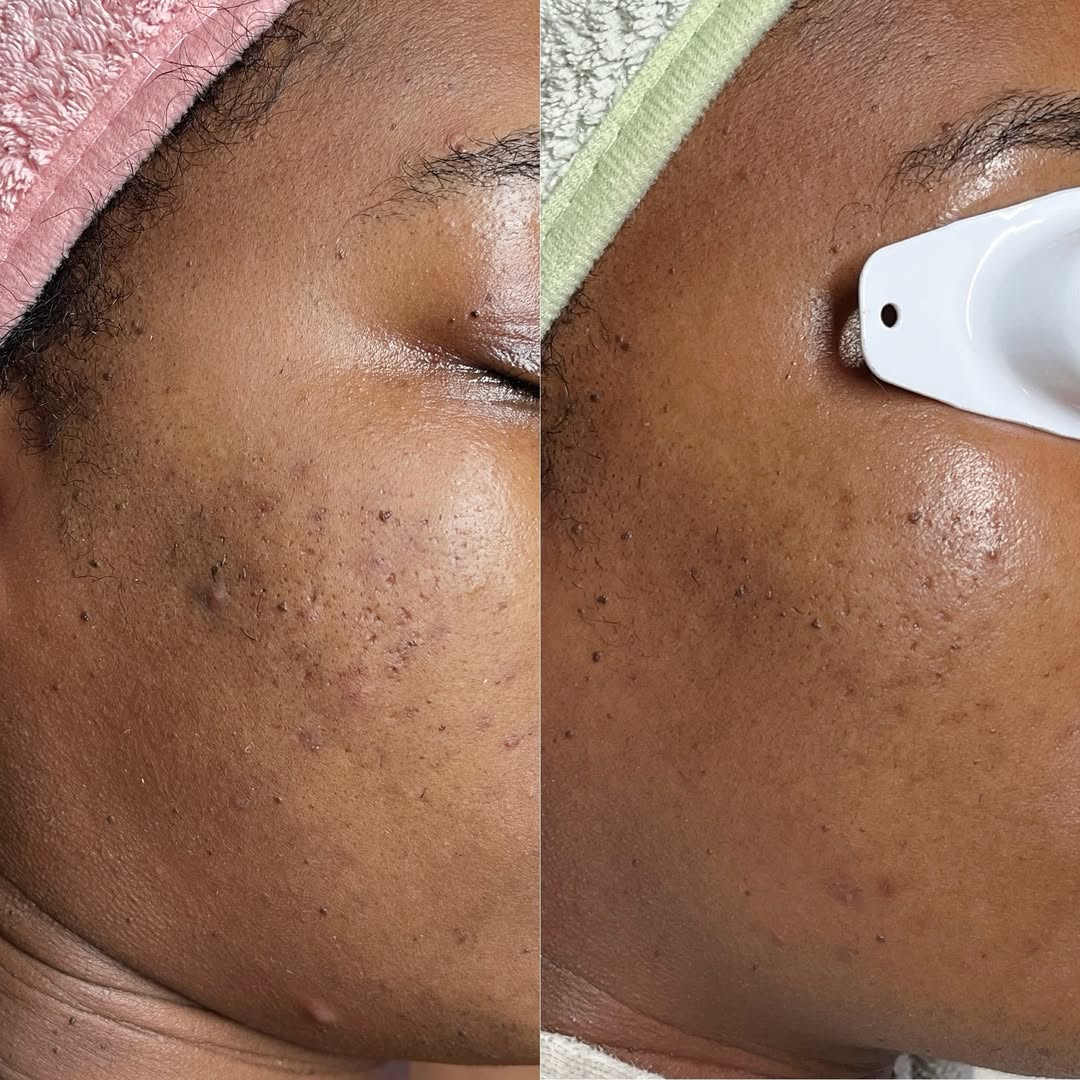
“Chemical peels + Adapalene + 20% azelaic acid Focused chemical peels for ice pick scaring #skincare #acne #scars”
From your post
One social post becomes another searchable entry point to Pinnacle Modern Skincare.
Our own magazine. Clicks and citations from Google Search Console, as of September 15, 2026.
Draft story for pinnaclemodernskincare.com · Scar Treatment
A closer look at the aggressive chemical technique we use to treat pitted acne scarring and why it is not right for everyone.
Acne scars are stubborn because the damage sits below the surface, in the collagen structure itself. A cream cannot reach that depth, and gentle resurfacing often cannot either. That is where CROSS treatment comes in, a technique built specifically for the kind of pitted, indented scarring that ordinary skincare tends to just soften rather than actually change.
CROSS stands for chemical reconstruction of skin scars, and it uses a concentrated acid, either TCA or phenol, applied directly into the base of an individual scar. We are not treating the whole face with this step. We are working scar by scar, pressing a strong solution into each depressed area to trigger a targeted wound healing response exactly where it is needed.
The word aggressive is not an exaggeration here, it is the point. Applying a high concentration acid into a small, specific area is meant to provoke a real injury response, because that response is what builds new collagen underneath the scar. On the right candidate, that new collagen can lift the base of the scar and soften the sharp edges that catch light and shadow.
This is also why the treatment is not something we do casually or on every client who asks about scarring. The outcome depends heavily on the person, their skin type, how their scars are shaped, and how their body tends to heal. Some skin responds by filling in and smoothing out. Other skin may not respond the same way, which is why candidacy matters as much as the technique.
In this particular treatment, the CROSS application was paired with a laser step aimed at resurfacing overall texture. The acid handles the deep, localized work inside individual scars, while the laser addresses the broader surface, the fine unevenness and roughness spread across the area rather than isolated to single pits. Used together, the two tools are treating scarring on two different levels at once.
Immediately after application, the treated skin shows the telltale signs of a strong chemical reaction, a flushed, frosted appearance concentrated right over the scarred texture. That reaction is expected and temporary. It is the visible marker that the acid reached the depth it needed to, and it typically gives way to a healing and remodeling period before any improvement in the scar itself becomes visible.
We talk about this treatment openly, including its intensity, because informed clients make better decisions about their own skin. Acne scarring is not one condition with one fix. Ice pick, boxcar, and rolling scars all behave differently, and a technique that reshapes one type well may do very little for another, which is why a real evaluation always comes before any acid touches the skin.
If you are dealing with pitted acne scarring and have tried gentler options without the change you were hoping for, a treatment like this is worth discussing directly with us. It is not a universal answer, and it is not meant to be. It is one precise tool, used deliberately, for the specific kind of scar it was actually designed to treat.
Draft story for pinnaclemodernskincare.com · Treatment Notes
A closer look at the layered approach behind one client's cheek, from focused peels to a daily active routine.
The two photographs are taken at the same angle, the same lighting, the same section of cheek, and that consistency is the point. Ice pick scars do not respond to guesswork or to a single dramatic treatment. They respond to a plan that gets adjusted week to week, which is why we photograph progress this closely instead of relying on memory or a general sense of improvement.
Ice pick scars are narrow and deep, which makes them harder to treat than broader rolling or boxcar scarring. A generic resurfacing approach tends to smooth the surrounding skin without ever reaching the base of the scar. That is why this case uses focused chemical peels rather than a single full face pass, concentrating strength exactly where the scarring sits instead of spreading it evenly across skin that does not need it.
Adapalene is doing separate work here. It is a retinoid, and its job is to keep pores clear and cell turnover steady so new scarring has less opportunity to form while older marks are being addressed. Pairing a retinoid with a peel schedule is a deliberate sequencing choice, not a stacking of extra products. Each piece is assigned its own job instead of all being asked to do the same thing at once.
Twenty percent azelaic acid rounds out the routine by targeting the discoloration that sits around healed acne, the dark marks visible across both photographs. Azelaic acid works on pigment and residual inflammation without the sensitivity that stronger brightening acids can trigger, which matters on melanin rich skin where irritation itself can cause new marks. It is a steady, lower drama tool used for a specific and unglamorous reason.
Look at the second frame and the change is not dramatic in the way social feeds tend to reward. The active breakouts are calmer, the redness has eased, and the overall texture reads smoother, but the deeper ice pick marks near the lower cheek are still visible. That is accurate. Ice pick scarring is treated in stages, and a single round of focused peeling is not positioned to erase it outright.
That honesty is built into how we frame these images. A before and after pair like this one is a progress update, not a finish line. The scars that remain visible are the ones that require repeated, targeted sessions rather than one strong treatment. Showing that plainly, without smoothing it over in the description, is part of setting a realistic expectation for what scar revision actually involves.
There is also the fact that active acne and scar treatment are happening on the same face at the same time. You can see a few fresh spots in the second photograph alongside the older scarring, which is the real condition of skin that has not finished its acne cycle. Treating scars while breakouts are still occurring means adjusting strength and frequency constantly rather than following a fixed, generic timeline.
The small white tool pressed against the cheek in the second image is being used to apply product with precision, right up against the treatment area near the eye. That kind of targeted application, done by hand and in person, is a large part of why focused peel work behaves differently than a product used alone at home. Placement and pressure are part of the outcome, not incidental to it.
None of this is presented as a finished result, and it should not be. Ice pick scars, azelaic acid, adapalene, and focused peeling are all long game tools, and the two photographs represent one point along a longer process rather than a before and after in the dramatic sense. The more useful story here is the method itself: layered, specific, and adjusted to what the skin is actually doing.
Draft story for pinnaclemodernskincare.com
Keep reading