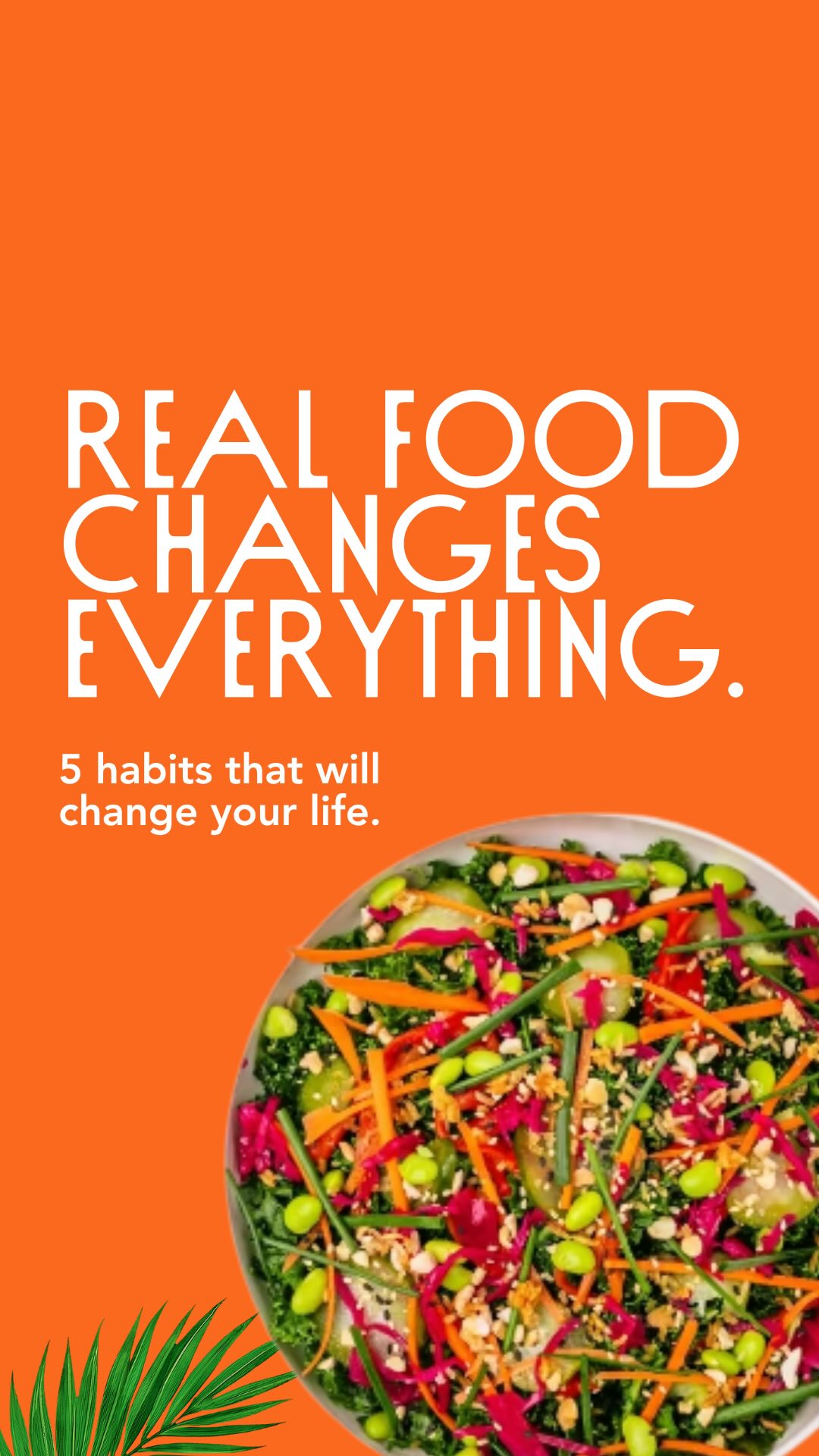
Five habits worth keeping start on a colorful plate
At Parakeet Cafe, the bowl in front of you is proof that good habits do not have to feel like rules.
PARAKEET CAFE STAFFTurn your social into search
We turn your posts into editorial stories that bring new search traffic to parakeetcafe.com. Three of yours will be on this page.
Book a demo
parakeetcafe The habits that stick are the ones that make life feel good. 🌴 Real ingredients. Colorful plates. Morning rituals. Food you love, without the rules.
At Parakeet Cafe, the bowl in front of you is proof that good habits do not have to feel like rules.
PARAKEET CAFE STAFFHow it works
Same as today. Nothing changes on Instagram.
We turn your post into a full story in your voice within the hour.
One click publishes it to parakeetcafe.com. Nothing goes live without you.
Your stories
Nothing was published anywhere. You decide that. Every word will come from your own posts, your own photos and your own menu.
House Habits · From your post
At Parakeet Cafe, the bowl in front of you is proof that good habits do not have to feel like rules.
“The habits that stick are the ones that make life feel good. 🌴 Real ingredients. Colorful plates. Morning rituals. Food you love, without the rules.”
New On The Menu · From your post
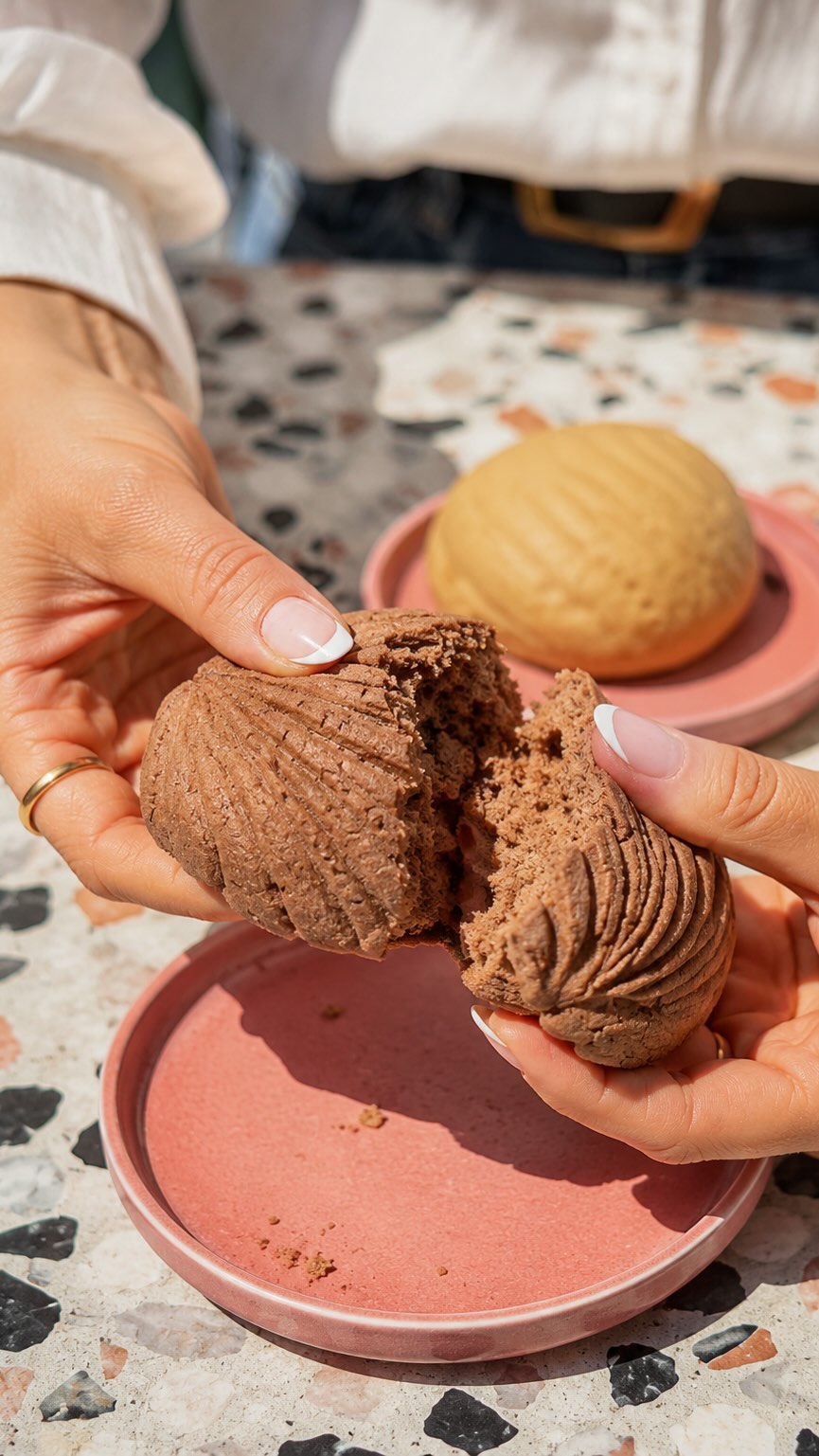
The Beverly Hills cafe adds a house made concha to its case, built to be pulled apart before it disappears.
“Meet our NEW house made conchas. 🤎 Made here. Made from scratch. Made to be pulled apart. Grab them before they’re out!”
From your post
One social post becomes another searchable entry point to Parakeet Cafe.
Our own magazine. Clicks and citations from Google Search Console, as of September 15, 2026.
Draft story for parakeetcafe.com · House Habits
At Parakeet Cafe, the bowl in front of you is proof that good habits do not have to feel like rules.
A bowl like the one we build our menu around says more than any wellness slogan could. Shredded kale, ribbons of carrot, edamame, cabbage in two colors, and a scatter of crushed peanuts, all arranged over a white plate with the kind of care that makes a salad look like something worth sitting down for. That is the habit we are actually talking about.
We believe the habits that stick are the ones that make life feel good, not the ones that feel like a punishment. That means real ingredients you can identify by sight, colorful plates that make a meal feel like an event instead of an obligation, and food you genuinely want to eat again tomorrow. No rules attached, just a plate worth returning to.
Real ingredients are not an abstract claim on a menu, they are visible. That bowl shows its work: whole vegetables cut by hand, nothing pureed or hidden, nothing dressed so heavily that you cannot tell what is underneath. Kale holds its structure, carrots keep their crunch, edamame stays whole. When food looks like what it is, trust does not require an explanation.
Color is doing more here than making the plate photogenic. Purple cabbage, orange carrot, green kale and edamame, all on the same plate, is a shortcut to nutritional variety without needing to think about it. We build plates this way on purpose, because a colorful plate is often, quietly, a balanced one, and balance is easier to keep when it does not feel like math.
Morning rituals matter because they set the tone for everything that follows. A ritual is different from a routine. A routine is something you do because you have to. A ritual is something you look forward to, whether that is the first bowl of the day or the fifteen minutes you take to actually sit and eat it instead of rushing through it standing up.
That is the habit worth protecting, more than any specific ingredient or format. Choosing a plate that makes you feel good, at a pace that lets you notice it, is a small daily decision that adds up. We think about our menu as a way to make that decision easier, not as a set of restrictions you have to work around to feel like you are doing it right.
Food without rules does not mean food without intention. It means the intention is flavor and how you feel afterward, not a checklist. A bowl built from real vegetables, textures that vary bite to bite, and a dressing that pulls it together does not need a disclaimer. It just needs to taste good enough that you would order it again on a normal Tuesday, no occasion required.
That is the habit we keep coming back to at Parakeet Cafe: build the plate well, let the ingredients speak for themselves, and let people enjoy it without overthinking it. The five habits worth keeping are not complicated. Eat real food. Make it colorful. Protect your morning. Skip the rules. Come back tomorrow because you actually want to, not because you feel like you have to.
Draft story for parakeetcafe.com · New On The Menu
The Beverly Hills cafe adds a house made concha to its case, built to be pulled apart before it disappears.
A concha is a small test of patience. You have to wait for it to cool enough to hold, then decide whether to bite in immediately or pull it apart first, watching the shell crack along its ridges. At Parakeet Cafe, the newest version of that test comes in two colors on a terracotta plate, one shell tinted a deep cocoa brown, the other left pale and golden, both carved with the same scalloped lines.
We make these conchas ourselves, from scratch, in house, which is not a small claim for a pastry that lives or dies on texture. The dome has to hold its shape without going dry, and the shell on top has to stay crisp enough to snap rather than smear. Getting both right in the same bite is the actual difficulty of a concha, and it is the reason we wanted to bake ours rather than bring them in.
Pulling a concha apart is part of how it is meant to be eaten, and we say that outright because it changes the experience. Torn open by hand, the shell breaks into shards along its ridged pattern while the inside stays soft and a little dense, closer to a slightly sweet bread than a cake. That contrast between the crackling top and the pillowy crumb underneath is the whole point of the shape.
The chocolate colored shell is the one drawing attention right now, and it is easy to see why once it is split open. The crumb inside reads warm brown all the way through, not just tinted at the surface, which suggests the cocoa is mixed into the dough itself rather than only the topping. It sits next to its lighter, undyed counterpart, the two versions offering a simple choice for anyone deciding which one to order first.
Baking a concha from scratch means starting well before the doors open, since the dough needs time to rise before it can be shaped, scored, and baked into that recognizable shell pattern. It would be simpler to buy them premade and ready to plate. We chose the longer route because a concha made that morning behaves differently than one made days earlier and shipped in, especially once you start tearing into it by hand.
The pastry has a long history as an everyday treat, the kind of thing meant to be picked up without ceremony and eaten with coffee or on the walk out the door. We are not trying to reinvent that. The goal with our version is simply to make it well, with a shell that actually shatters and a crumb that actually stays soft, so the everyday part of it still feels worth stopping for.
These are made in house in whatever quantity the day allows, which is the honest reason behind grabbing one early rather than waiting. A batch that starts with dough rising in the morning does not restock itself on demand later in the afternoon. Once the tray on the counter is down to crumbs, that is it for the day, and the next chance is tomorrow's batch.
For now, the plan is straightforward: two colors, one shape, made fresh and meant to be split open with your hands rather than cut with a knife. If you are stopping by Parakeet Cafe and see them still sitting on that pink plate, that is the moment to grab one, because the version worth trying is always the one that is still warm enough to tear.
Draft story for parakeetcafe.com
Keep reading