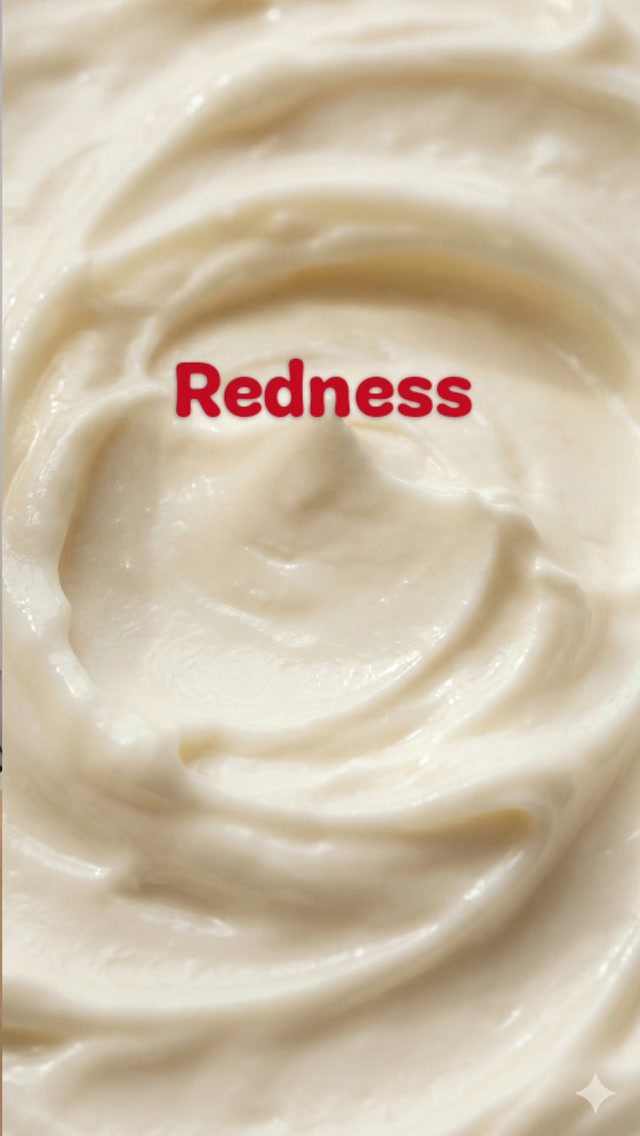
Why your skincare stopped working after 35, and what actually fixes it
Redness, tightness, and stinging are not failure. They are your barrier asking for support.
ORGANIC RADIANCE SKINCARE STAFFTurn your social into search
We turn your posts into editorial stories that bring new search traffic to organicradianceskincare.com. Three of yours will be on this page.
Book a demo
organic.radiance.skincare Your skin barrier is why your skincare stopped working after 35. Here is what actually rebuilds it. Redness. Tightness. Stinging when you apply products you used to love. These are not signs that your skin is failing you. They are signs your barrier is asking for support, and the fix is gentler than you think. After 35, your skin naturally produces fewer of the ceramides and lipids that hold your barrier together. Moisture escapes faster. Irritants get in. Rosacea and eczema flare. And nothing in your routine works the way it should, not because the products are wrong, but because the foundation they need is not there yet. The good news. your skin barrier rebuilds. It needs the right ingredients (hyaluronic acid, shea butter, calming botanicals like Immortelle and German chamomile), a gentler routine, and about four to six weeks of consistency. There is one piece most people miss too. Your skin and your nervous system are in constant conversation. When you calm your stress, you help calm your skin. Save this post for your next flare. Comment CALM below and I will send you the full barrier repair guide with the complete routine and ingredient breakdown. #skinbarrierrepair #sensitiveskin #rosacea
Redness, tightness, and stinging are not failure. They are your barrier asking for support.
ORGANIC RADIANCE SKINCARE STAFFHow it works
Same as today. Nothing changes on Instagram.
We turn your post into a full story in your voice within the hour.
One click publishes it to organicradianceskincare.com. Nothing goes live without you.
Your stories
Nothing was published anywhere. You decide that. Every word will come from your own posts, your own photos and your own treatments.
Skin Barrier · From your post
Redness, tightness, and stinging are not failure. They are your barrier asking for support.
“Your skin barrier is why your skincare stopped working after 35. Here is what actually rebuilds it. Redness. Tightness. Stinging when you apply products you used to love. These are not signs that your skin is failing you. They are signs your barrier is asking for support, and the fix is gentler than you think. After 35, your skin naturally produces fewer of the ceramides and lipids that hold your barrier together. Moisture escapes faster. Irritants get in. Rosacea and eczema flare. And nothing in your routine works the way it should, not because the products are wrong, but because the foundation they need is not there yet. The good news. your skin barrier rebuilds. It needs the right ingredients (hyaluronic acid, shea butter, calming botanicals like Immortelle and German chamomile), a gentler routine, and about four to six weeks of consistency. There is one piece most people miss too. Your skin and your nervous system are in constant conversation. When you calm your stress, you help calm your skin. Save this post for your next flare. Comment CALM below and I will send you the full barrier repair guide with the complete routine and ingredient breakdown. #skinbarrierrepair #sensitiveskin #rosacea”
Skin Science · From your post
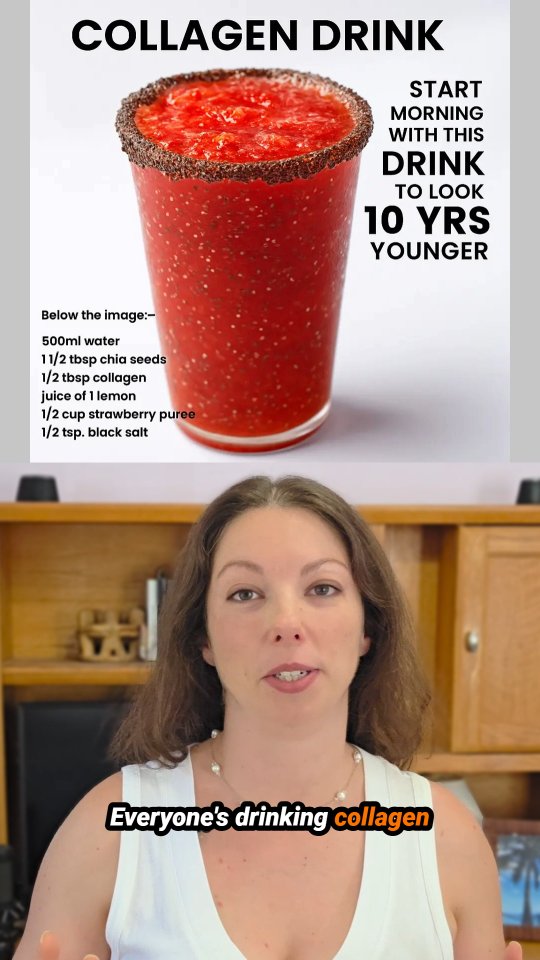
Before recommending a routine, we looked at what the evidence on collagen drinks actually supports.
“Everyone's drinking collagen right now, so as a scientist, I actually looked into the research. The honest answer is more complicated than the marketing. A 2025 review of the science found no solid clinical evidence that collagen supplements prevent or treat skin aging. There is anecdotal evidence, and some trials do suggest a benefit, but it's always worth asking who funded those studies before you trust the result. This is the same honesty I bring to my own products. I'd rather tell you what the science actually shows than sell you a story. Watch the full video on YouTube for the rest of the functional aging breakdown, including what actually works nutritionally for skin. #Collagen #CollagenSupplements #SkinScience #ProAging #FunctionalAging”
Skincare Philosophy · From your post
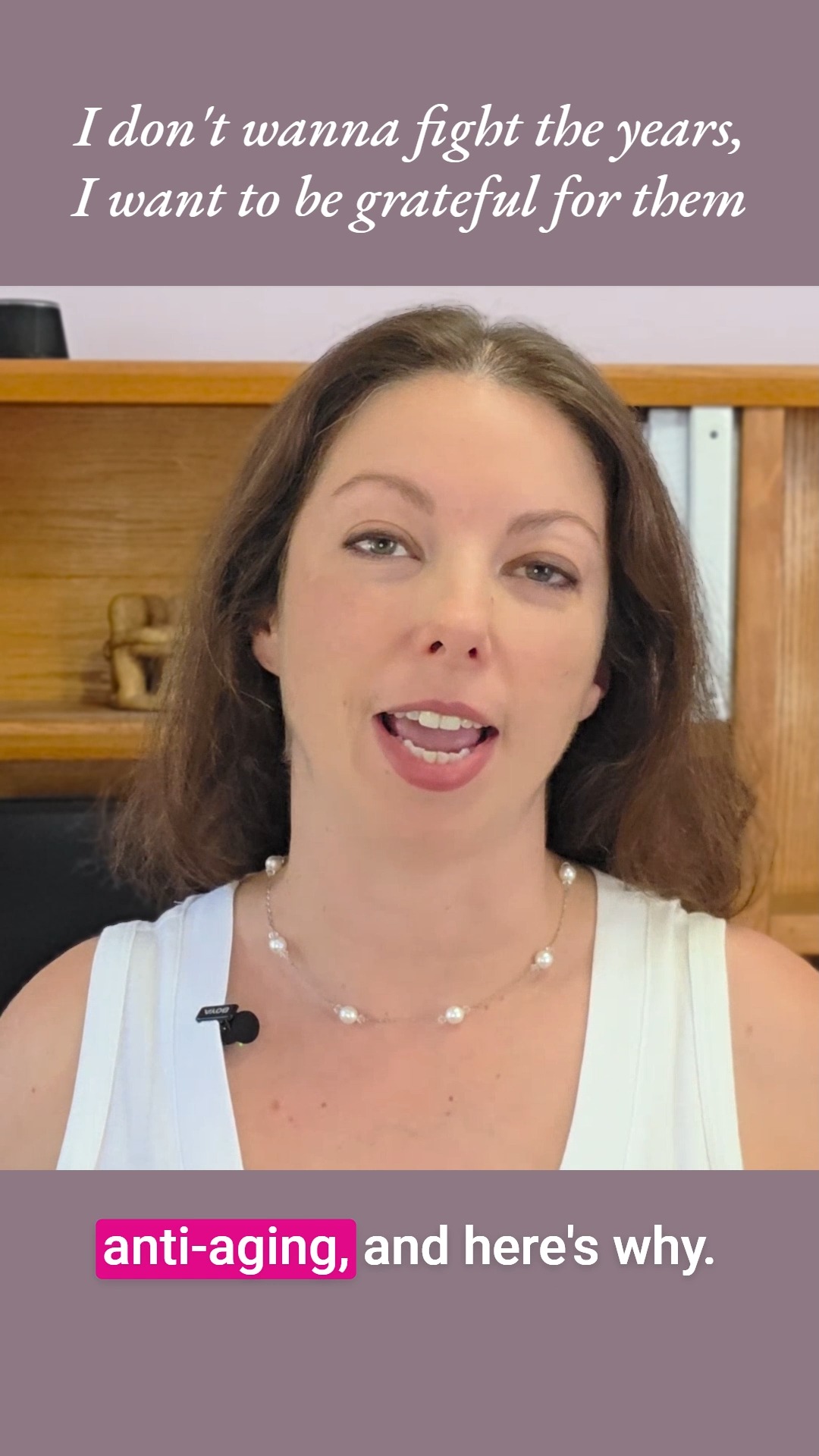
Functional aging asks skin to work well at every age instead of chasing how it used to look.
“I'm done with the word anti aging. "Anti" implies we're fighting something, and you can't fight a natural process. I'd rather be grateful for the years I've had than pretend my skin cells are still 25. This is the mindset behind functional aging. supporting how skin works instead of chasing how it used to look. More on this on my channel, especially if you're Gen X or an elder millennial rethinking your skincare. Watch the full video on my YouTube @CandiceBetty #FunctionalAging #ProAging #SkincareOver40 #GenXSkincare #MillennialSkincare #AntiAgingSkincare #SkincareTips #HealthyAging #SensitiveSkin #NaturalSkincare”
One social post becomes another searchable entry point to Organic Radiance Skincare.
Our own magazine. Clicks and citations from Google Search Console, as of September 15, 2026.
Draft story for organicradianceskincare.com · Skin Barrier
Redness, tightness, and stinging are not failure. They are your barrier asking for support.
If products you have used for years suddenly sting, or a cleanser that once felt fine now leaves your skin tight and flushed, the instinct is to blame the product. Usually that is not the problem. The barrier underneath everything, the thin layer holding moisture in and irritants out, has changed, and the routine built for your old barrier is no longer built for the one you have now.
After 35, skin naturally produces fewer ceramides and lipids, the substances that literally hold the barrier together. With less of them, moisture escapes faster than it used to, and irritants get in more easily than they used to. That shift shows up as redness, tightness, and stinging when you apply things you used to love without a second thought.
This is also the mechanism behind flares. Rosacea and eczema both get worse when the barrier is compromised, because there is less standing between your skin and whatever is touching it that day, whether that is a product, the weather, or friction from a towel. None of this means your skin is failing. It means the foundation underneath your routine needs rebuilding before the routine itself can work again.
The barrier does rebuild, and it does not need anything dramatic to do it. It needs specific ingredients: hyaluronic acid to hold moisture, shea butter to reinforce the lipid layer, and calming botanicals like Immortelle and German chamomile to settle irritation while the repair happens underneath. It also needs a gentler routine overall, since a barrier under repair cannot handle the same actives it once tolerated easily.
Consistency matters more than intensity here. Barrier repair is not immediate, and it is not linear either. We tell clients to expect about four to six weeks of steady, gentle use before the tightness and stinging start to ease. That timeline is often the hardest part, because it asks you to keep going even on the days nothing visibly seems to be changing yet.
There is one piece of this that gets missed constantly, and it is worth sitting with. Skin and the nervous system stay in constant conversation. Stress does not just feel bad, it shows up on the surface as flares, sensitivity, and slower healing. Calming your stress is not a wellness afterthought here. It is part of the actual mechanism that lets a compromised barrier settle and repair.
So the practical version looks like this: fewer steps, calming ingredients over aggressive ones, and patience measured in weeks rather than days. Hyaluronic acid and shea butter do the moisture work, Immortelle and German chamomile do the calming work, and consistency does the rest. Nothing here requires stripping your routine down to nothing, just rebuilding it around what your skin actually needs right now.
If this is where you are right now, redness that will not settle, tightness after products that used to feel fine, save this for the next time it flares. Comment CALM below and we will send the full barrier repair guide, with the complete routine and ingredient breakdown, so you are working with your skin's current needs instead of against them.
Draft story for organicradianceskincare.com · Skin Science
Before recommending a routine, we looked at what the evidence on collagen drinks actually supports.
A bright red collagen drink, rimmed with chia seeds and served over ice, has become one of the most familiar images in skincare right now. The recipe is simple enough that anyone can make it at home: water, chia seeds, collagen powder, lemon juice, strawberry puree, and a pinch of black salt. The promise attached to it is much bigger than the glass itself.
As a scientist working in skincare, we felt it was worth actually reading the research behind that promise rather than repeating it. The claim circulating alongside these drinks is that a daily glass can meaningfully reverse visible aging. That is a strong statement to make about a supplement, and strong statements deserve scrutiny before they get repeated as fact.
A 2025 review of the science on collagen supplementation found no solid clinical evidence that it prevents or treats skin aging. That does not mean nothing is happening when people take it. It means the research has not reached a point where scientists can confidently say collagen supplements change the skin in the way marketing often implies.
There is anecdotal evidence, and some individual trials do suggest a benefit. We think both of those things are worth mentioning honestly rather than dismissing outright. But it also matters who funded those studies. When a company selling collagen also funds the trial testing collagen, the results deserve a more skeptical read before anyone builds a routine around them.
We would rather walk someone through that nuance than hand them a simplified story that sells better. It is easy to point at a vivid red drink and say it will make skin look years younger. It is harder, and more useful, to say the truth: the science is still unsettled, and a single ingredient rarely explains what is happening in skin over time.
This is the same standard we hold our own products to. If the evidence for something is thin, we say so, even when a more dramatic claim would be easier to market. Skin health is influenced by many overlapping factors, and reducing it to one drink or one supplement flattens a much more complicated picture into something tidy but incomplete.
None of this means collagen is useless or that people should stop drinking it if they enjoy it. It means the claims attached to it should match what the research can actually support. We covered the fuller picture, including what does have nutritional backing for skin, in a longer breakdown on functional aging for anyone who wants the details beyond the headline.
Draft story for organicradianceskincare.com · Skincare Philosophy
Functional aging asks skin to work well at every age instead of chasing how it used to look.
We've stopped using the word anti aging in our own vocabulary, and we're not bringing it back. Anti implies a fight, and a fight implies an enemy. The years on our skin are not an enemy. They're a record of a life being lived, and we'd rather work with that record than pretend it doesn't exist every time we talk about a serum or a facial.
Here's the problem with fighting a natural process: you can't win, and you burn a lot of energy trying. Skin cells at forty five are not going to behave like skin cells at twenty five, no matter how aggressive the marketing language gets. Chasing that comparison sets an impossible bar and then blames the skin for missing it, which is backwards and, frankly, exhausting for everyone involved.
So we talk about functional aging instead. It's a shift from how skin used to look to how skin actually works right now: barrier strength, hydration, resilience, how it responds to sun and stress and sleep. That's a standard skin can meet, because it's built around its present state instead of a photograph of its past.
Words shape treatment plans. If the goal is to erase, every conversation centers on what's wrong with a face. If the goal is to support function, the conversation centers on what the skin needs to do its job well. Same client, same skin, completely different starting point. We've found that clients relax the moment the framing changes, because they're no longer being measured against themselves at twenty five.
This matters most for clients in Gen X and the elder millennial range, the ones actively rethinking a routine that was built on antiaging promises they've since outgrown. Skin needs are genuinely different in this stage: barrier support, sensitivity considerations, and hydration patterns shift, and a routine designed around erasing years usually doesn't match what the skin is actually asking for anymore.
Gratitude sounds like a soft word for a treatment philosophy, but it changes real decisions. It means choosing a facial that calms a reactive barrier over one that promises to turn back a clock. It means picking ingredients for what they do for skin function today, not for a marketing claim about reversal. The years get acknowledged instead of argued with, and the plan gets built from there.
We go deeper into functional aging on video, especially for anyone in Gen X or the elder millennial range rethinking a routine built on old promises. It's less a rejection of skincare and more a redirection of it, toward support instead of combat. The years stay. The question we're interested in is simply how well the skin underneath them is able to function.
That question doesn't have a finish line, which is part of the point. Functional aging isn't a phase to complete before returning to some fixed idea of youthful skin. It's an ongoing relationship with skin as it changes, treated as something to understand rather than something to defeat, one routine and one honest conversation at a time.
Keep reading