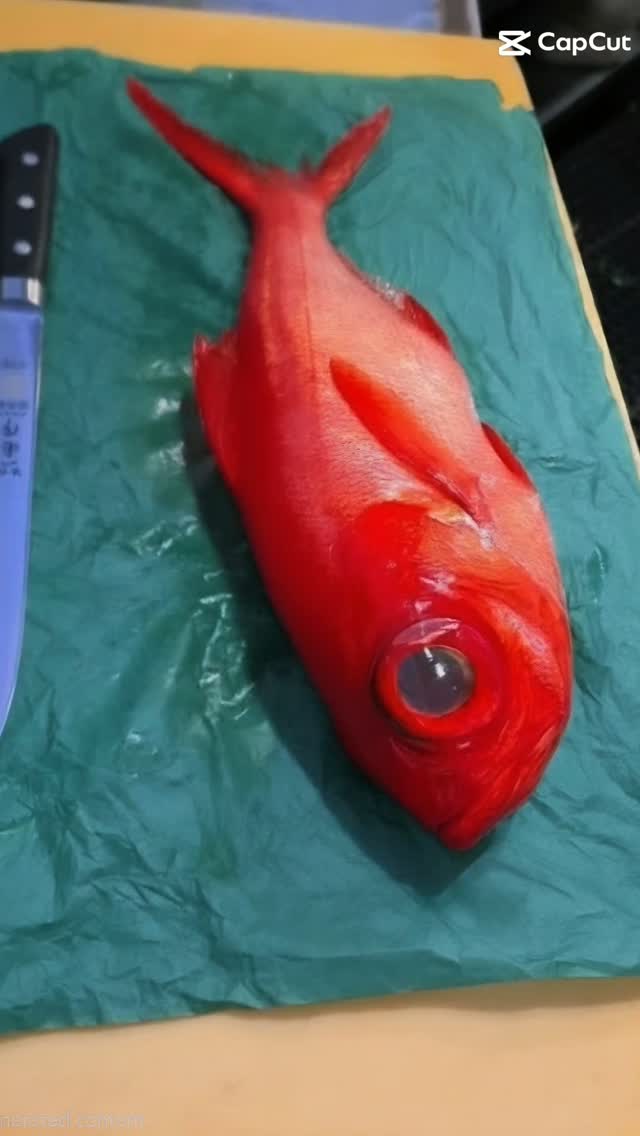
Why kinmedai gets wrapped in kombu before it reaches the counter
A closer look at the kombujime process behind our special fish of the week, golden eye snapper cured slow and finished with fire.
OOPS! SUSHI AND SAKE STAFFTurn your social into search
We turn your posts into editorial stories that bring new search traffic to oopssushi.com. Three of yours will be on this page.
Book a demo
oopssushi Elevating a masterpiece with special fish of the week. ✨ Kinmedai Kombujime (Golden Eye Snapper cured in premium kombu kelp) is an obsession of patience and flavor. By wrapping this naturally sweet, fatty deep sea fish in sake softened kombu, we draw out the moisture and infuse it with pure umami. The skin is lightly kissed by fire to melt the fat layer underneath, resulting in a texture that is dense, buttery, and unforgettable. One bite, and you'll see why this is a sushi master’s best kept secret. 🍣 #sushilovers #fridayvibes #omakase #santamonica #EdomaeSushi
A closer look at the kombujime process behind our special fish of the week, golden eye snapper cured slow and finished with fire.
OOPS! SUSHI AND SAKE STAFFHow it works
Same as today. Nothing changes on Instagram.
We turn your post into a full story in your voice within the hour.
One click publishes it to oopssushi.com. Nothing goes live without you.
Your stories
Nothing was published anywhere. You decide that. Every word will come from your own posts, your own photos and your own menu.
Fish of the Week · From your post
A closer look at the kombujime process behind our special fish of the week, golden eye snapper cured slow and finished with fire.
“Elevating a masterpiece with special fish of the week. ✨ Kinmedai Kombujime (Golden Eye Snapper cured in premium kombu kelp) is an obsession of patience and flavor. By wrapping this naturally sweet, fatty deep sea fish in sake softened kombu, we draw out the moisture and infuse it with pure umami. The skin is lightly kissed by fire to melt the fat layer underneath, resulting in a texture that is dense, buttery, and unforgettable. One bite, and you'll see why this is a sushi master’s best kept secret. 🍣 #sushilovers #fridayvibes #omakase #santamonica #EdomaeSushi”
Private Events · From your post
Oops! Sushi and Sake takes the details off your plate once the guest list is set.
“Planning a birthday, anniversary, or corporate event in Los Angeles? Enjoy exceptional service and delicious flavors for all occasions. Let us handle the details. Contact us today to reserve your spot! #OopsSushiAndSakeBar #SushiLovers #CelebrateTogether #EventPlanning #BookYourParty”
Labor Day Special · From your post
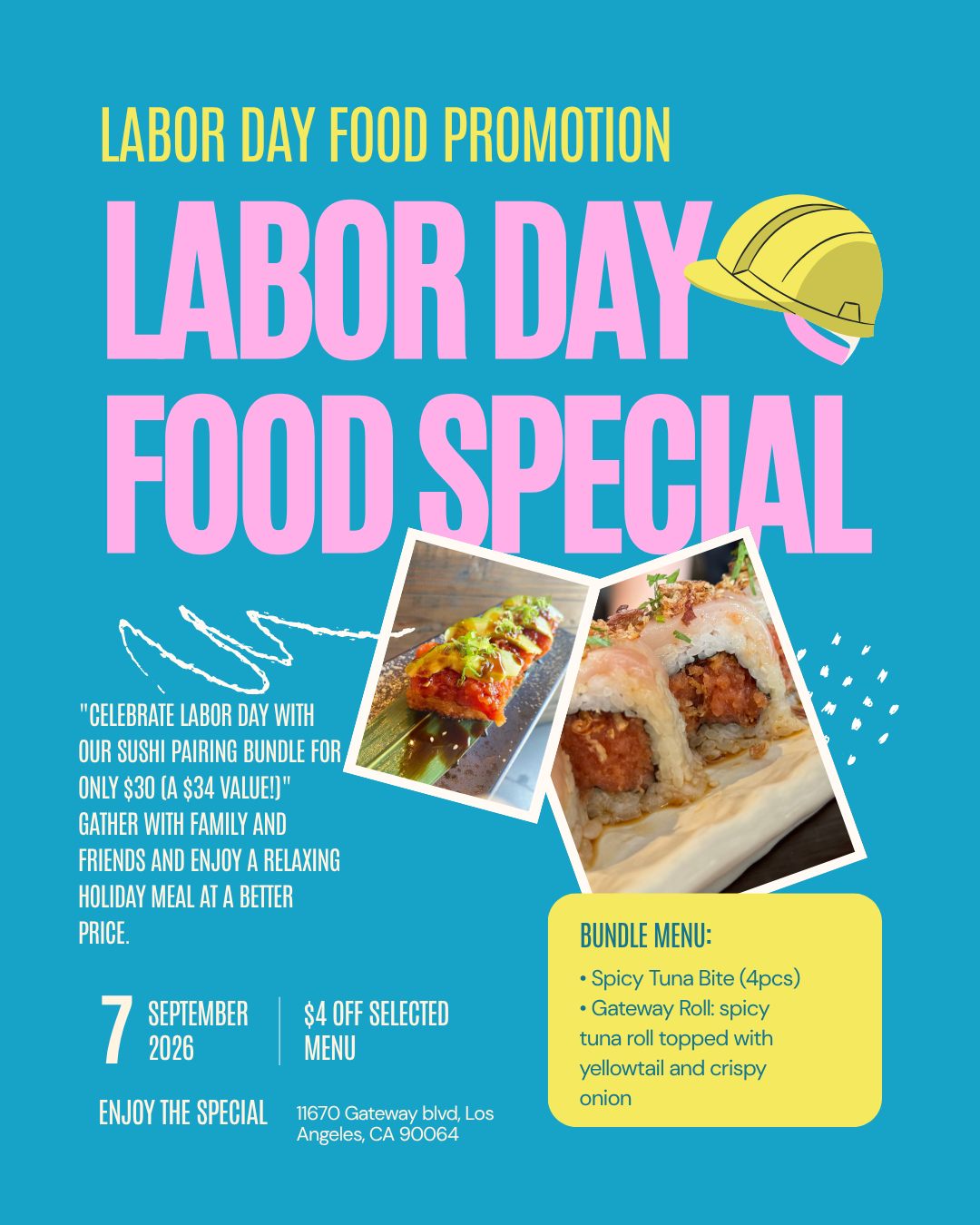
A two piece sushi bundle brings the spicy tuna bite and the Gateway roll together for thirty dollars through the holiday.
“Labor Day Special! Get the Sushi Duo (Spicy Tuna Bite + Gateway Roll) for $30 (save $4!). #labordayspecial #duo deal #gatewayroll # spicy tuna”
One social post becomes another searchable entry point to Oops! Sushi and Sake.
Our own magazine. Clicks and citations from Google Search Console, as of September 15, 2026.
Draft story for oopssushi.com · Fish of the Week
A closer look at the kombujime process behind our special fish of the week, golden eye snapper cured slow and finished with fire.
Before it becomes a piece of nigiri, the kinmedai on our board this week goes through a process that takes longer than most people expect from a single fish. The whole snapper arrives bright red, its skin still wet, its eye still clear and dark. What happens to it between the cutting board and the counter is where the real work sits.
Kinmedai, or golden eye snapper, is a deep sea fish known for being naturally sweet and fatty. That fat is exactly why we don't serve it raw and untouched. Left alone, that richness can sit heavy on the palate. Cured properly, it turns into something denser and more balanced, which is the whole reason kombujime exists as a technique in the first place.
Kombujime means curing fish between sheets of kombu, and we soften ours with sake first so it presses evenly against the flesh without tearing the skin. Wrapped tight, the kelp pulls moisture out of the fish gradually. That moisture loss is the point. Less water in the flesh means a firmer bite and a much more concentrated flavor once the fish is finally sliced.
As the kombu draws moisture out, it also pushes flavor in. Kelp carries natural glutamates, the same compounds responsible for umami, and over time those compounds move into the fish itself. The kinmedai does not just sit next to the kombu, it absorbs it. What comes out the other side tastes like a more focused version of the fish, not a masked one.
Once the curing is done, the skin gets a light pass of fire, just enough to melt the fat layer sitting directly beneath it. We are not trying to cook the flesh underneath, only soften that top layer so it releases into the fish rather than sitting on it. It is a small, deliberate touch that changes texture more than it changes taste.
The result is a piece of fish that lands dense and buttery instead of soft or loose. Deep sea fish like kinmedai can go either way depending on how they're handled, and this is the version we're after: firm enough to hold its shape on the rice, fatty enough to coat the palate, without ever turning greasy or heavy on the tongue.
Edomae sushi has always leaned on curing, salting, and light smoking to make fish better suited for eating raw, long before refrigeration made freshness easy to fake. Kombujime fits squarely into that lineage. It is patient rather than flashy, and it rewards a fish that already has good fat and structure to begin with, which is exactly what this week's kinmedai brought to the board.
We rotate our fish of the week around what shows up looking right, not around a fixed schedule, so kinmedai kombujime won't always be on the counter. When the fish is good enough to justify the wait, we'll put in the time it takes to cure it properly. This week, that fish was a golden eye snapper, and the process is most of the reason it's worth ordering.
Draft story for oopssushi.com · Private Events
Oops! Sushi and Sake takes the details off your plate once the guest list is set.
Every celebration eventually comes down to a list of names. Once that list is finalized, the rest of the planning tends to pile up fast: seating, timing, food, drinks, and all the small logistics that turn a date on the calendar into an actual gathering. That is the exact point where we step in, taking the guest list and building the rest of the evening around it.
We host birthdays, anniversaries, and corporate events, three occasions that each come with their own rhythm and expectations. A birthday dinner moves differently than a work gathering, and an anniversary calls for something else entirely. Rather than offering one fixed setup for every kind of event, we work with what the occasion actually needs, adjusting service and pacing so the night matches the reason people are there.
Handling the details means the parts guests never think about are already sorted before anyone walks in. That includes coordinating with our kitchen and floor staff so the meal moves at a pace that fits the group, not the other way around. It means service that stays attentive without hovering, so the focus stays on the people at the table instead of on logistics happening around them.
For anyone organizing the event, that translates into fewer moving pieces to manage personally. You are not tracking timing between courses or checking in on whether the room is ready. Once your guest list is set and you have reached out to reserve, the operational weight of the evening shifts to us, which is the entire idea behind offering this kind of service in the first place.
Sushi service naturally lends itself to shared eating, which makes it a fitting format for a group occasion. Plates move around the table, conversation continues alongside the food, and the meal becomes part of the gathering rather than a pause in it. That is the kind of dining experience we build our event service around, with flavor and presentation that hold up whether the table seats six or sixty.
Corporate events bring a different set of considerations than a birthday dinner, and we plan for that difference rather than treating every reservation the same. A client dinner needs a certain pace and tone, while a celebration among friends can be looser and louder. Recognizing that distinction upfront is part of how we approach event planning, so the setup actually fits the people filling the room.
Los Angeles has no shortage of options for hosting an event, which makes the decision less about availability and more about fit. Our location in Sawtelle gives guests a sushi and sake bar setting that works for both a milestone celebration and a more formal work gathering, without needing to compromise between the two depending on the occasion.
If you are organizing a birthday, anniversary, or corporate event in Los Angeles, the first step is simple: finalize your guest list. From there, reaching out to reserve your spot puts the rest of the planning in our hands, letting the event actually happen instead of staying stuck in the logistics stage.
Draft story for oopssushi.com · Labor Day Special
A two piece sushi bundle brings the spicy tuna bite and the Gateway roll together for thirty dollars through the holiday.
Labor Day lands on a Monday, which for most people means one thing: an extra day off before the calendar tightens back up for fall. We built the Sushi Duo around that pause, pairing two of our most requested items into a single bundle that costs less than ordering them separately, and gives a table something specific to share instead of scrolling through a full menu.
The bundle is straightforward by design. Four pieces of the spicy tuna bite arrive first, plated over a wood board. It is a bite meant to go fast: a small stack, a bit of heat, something you eat with your hands before the rolls even hit the table. On its own it is a starter. Paired with the roll, it becomes the opening move of a bigger meal.
The second half is the Gateway roll, our spicy tuna roll finished with yellowtail draped over the top and a scattering of crispy onion for crunch. It is a roll built in layers rather than hidden inside itself, so the yellowtail and the onion are the first things you notice before you even get to the spicy tuna underneath. Together the two pieces cost thirty dollars, a four dollar savings against ordering them apart.
Sushi bundles work best when the two components actually talk to each other, and this one does. The spicy tuna bite sets the tone early with its heat and its size, built for one or two bites before you move on. The Gateway roll picks up that same spicy tuna base but stretches it into something more layered, adding richness from the yellowtail and texture from the crispy onion on top.
Labor Day tends to be a day people spend outdoors and then wind down with food that does not require much decision making. A fixed bundle removes some of that friction. Instead of weighing four or five separate rolls against each other, the choice is already made, and the savings mean the group can add on elsewhere if they want to build the table out further.
The four dollar discount is modest by design. This is not a blowout sale built around a steep markdown. It is a small, honest adjustment to a pairing we already serve regularly, offered on a day when people are more likely to be gathered around a table for longer than usual. The value is in the pairing itself, not in the size of the discount attached to it.
The Sushi Duo is available through the Labor Day promotion at our Sawtelle location on Gateway Boulevard. It runs alongside four dollars off selected menu items for the same window, so the bundle can anchor a larger order rather than standing entirely on its own for a table that wants more than two dishes.
Holidays built around a single deal can feel like a gimmick when the food behind it does not hold up on its own. Here, the spicy tuna bite and the Gateway roll are both dishes we already serve on a normal night. Labor Day just gives them a reason to sit next to each other on the table, at a price that makes ordering both an easy decision instead of a hard one.
Keep reading