How Matsuhisa brings the same plate to a different room
A close look at the yellowtail dish that shows what catering really means when the kitchen leaves the building.
MATSUHISA STAFFTurn your social into search
We turn your posts into editorial stories that bring new search traffic to matsuhisabeverlyhills.com. Three of yours will be on this page.
Book a demo
matsuhisabeverlyhills Matsuhisa, brought to you ✨ From intimate gatherings to larger celebrations, our catering experiences are thoughtfully tailored to your event, your space, and your needs. Let us bring the Matsuhisa experience to your table. #matsuhisabeverlyhills #catering
A close look at the yellowtail dish that shows what catering really means when the kitchen leaves the building.
MATSUHISA STAFFHow it works
Same as today. Nothing changes on Instagram.
We turn your post into a full story in your voice within the hour.
One click publishes it to matsuhisabeverlyhills.com. Nothing goes live without you.
Your stories
Nothing was published anywhere. You decide that. Every word will come from your own posts, your own photos and your own menu.
Catering Notes · From your post
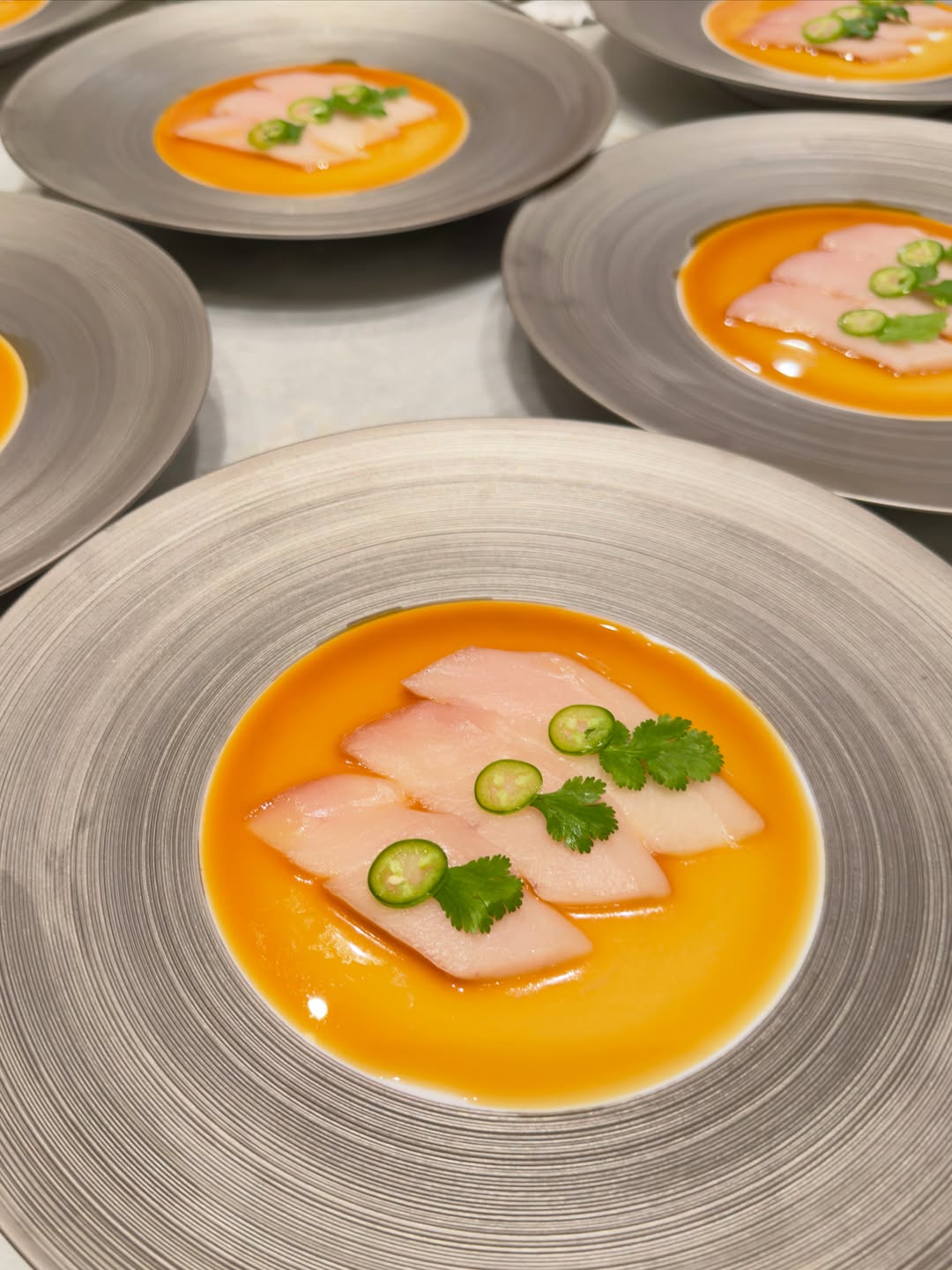
A close look at the yellowtail dish that shows what catering really means when the kitchen leaves the building.
“Matsuhisa, brought to you ✨ From intimate gatherings to larger celebrations, our catering experiences are thoughtfully tailored to your event, your space, and your needs. Let us bring the Matsuhisa experience to your table. #matsuhisabeverlyhills #catering”
On The Menu · From your post
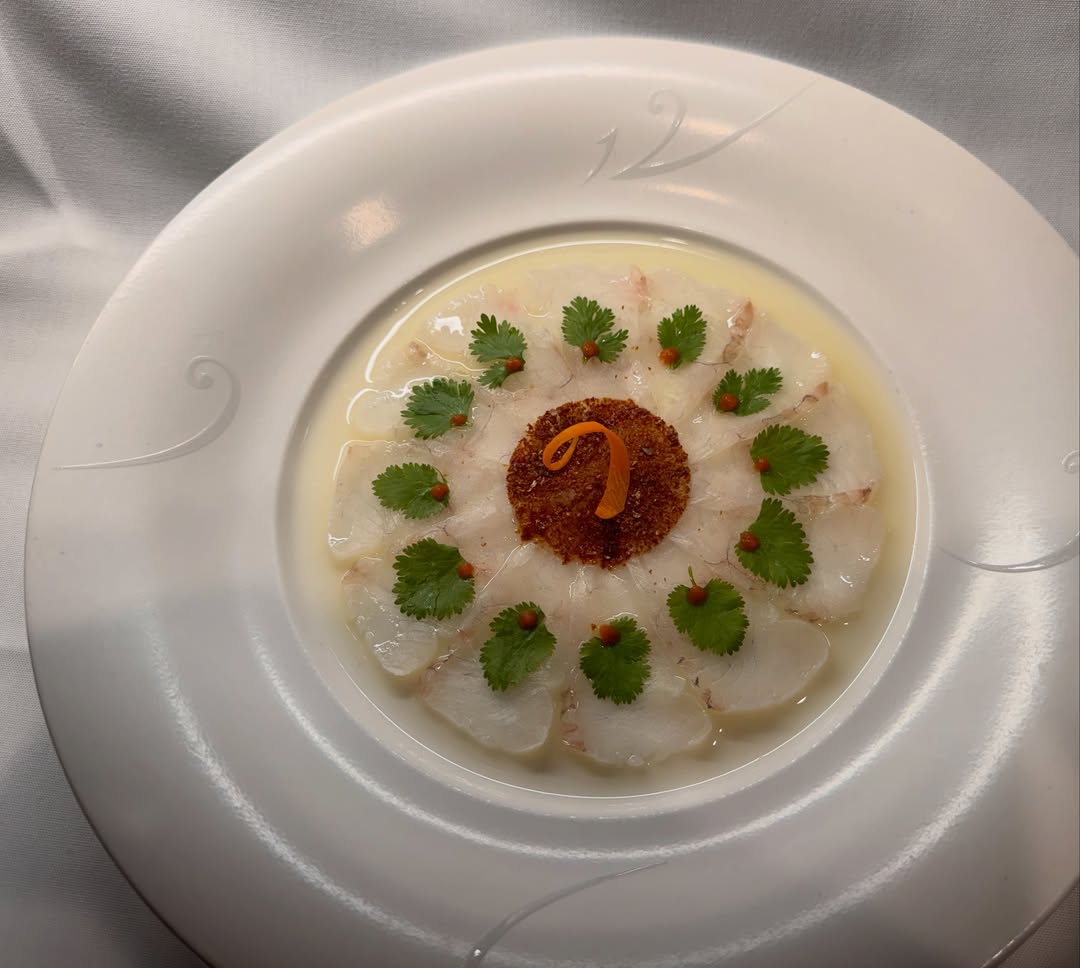
Thin slices of fresh fish, a citrus bath, and a ring of cilantro make the case for restraint on the plate.
“TIRADITO Your choice of fresh fish, delicately dressed with yuzu lemon juice and finished with soy salt, rocoto pepper, and cilantro. #matsuhisabeverlyhills #tiradito”
On The Menu · From your post
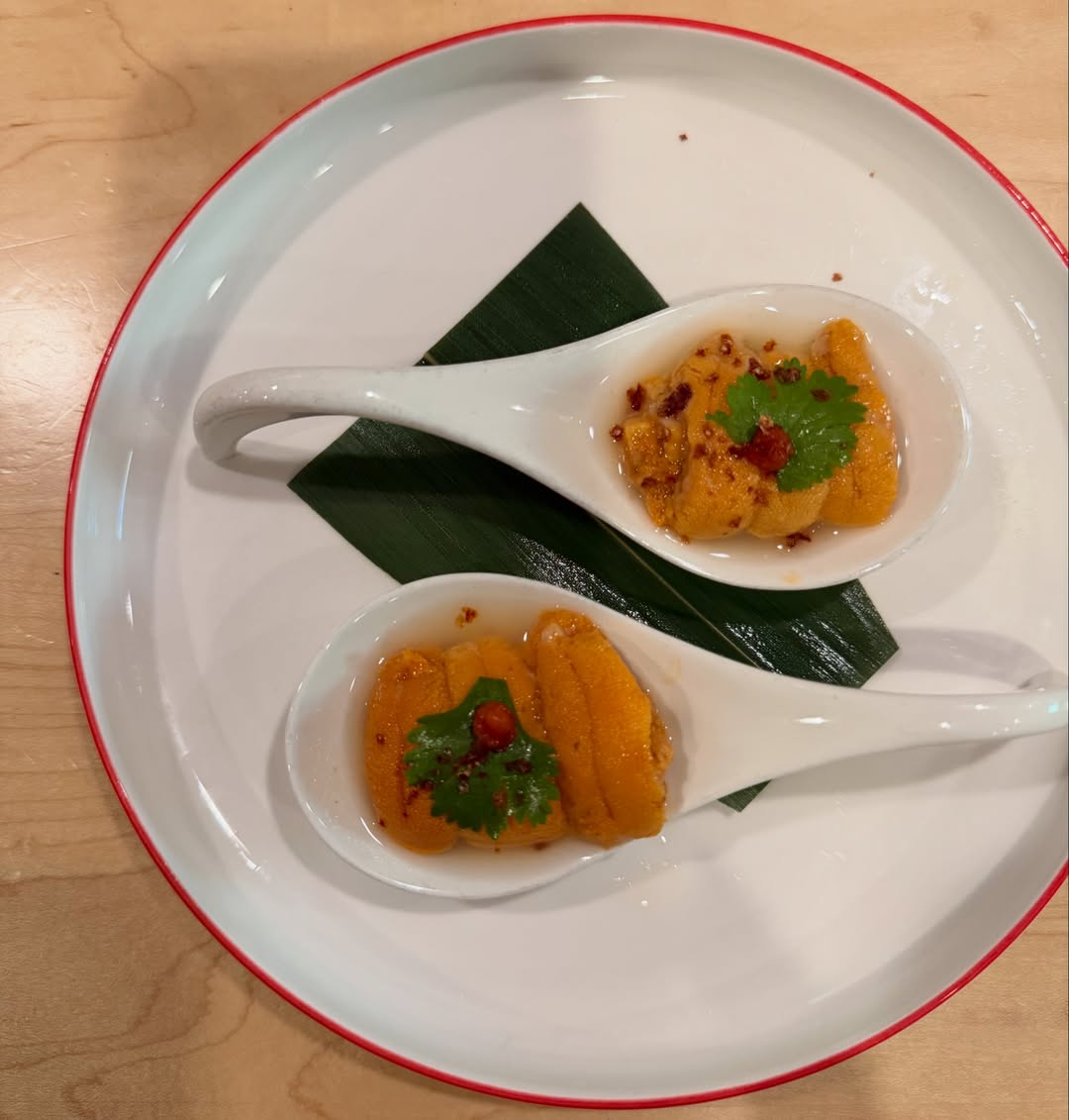
Lemon, yuzu, rocoto pepper and soy salt turn Hokkaido uni into a two bite dish built entirely around restraint.
“UNI TIRADITO Hokkaido uni prepared tiradito style with lemon and yuzu juice, topped with cilantro, rocoto pepper and soy salt. #matsuhisabeverlyhills #tiradito”
One social post becomes another searchable entry point to Matsuhisa.
Our own magazine. Clicks and citations from Google Search Console, as of September 15, 2026.
Draft story for matsuhisabeverlyhills.com · Catering Notes
A close look at the yellowtail dish that shows what catering really means when the kitchen leaves the building.
Line up six identical plates on a steel counter and you start to see what consistency actually requires. Each one holds the same citrus colored broth, the same fan of pale yellowtail, the same two rounds of sliced chili and a single sprig of cilantro set just off center. Nothing here is improvised per plate. It is repeated with intention, which is the entire point when a dish has to travel.
That repetition is the quiet argument behind our catering program. Anyone can describe a menu as flexible. Fewer kitchens can actually plate a dish six or eight or twenty times over and have every one look like it came off the same board first. The yellowtail here is proof of the standard we are asking of ourselves before a single plate leaves the kitchen for someone else's table.
Our caption uses the word tailored, and it is worth taking that seriously instead of treating it as a nice adjective. An intimate dinner for eight does not need the same setup as a larger celebration with a hundred guests moving through a room. The size of the gathering changes the pacing, the plating format, and how many hands are needed to get food out while it is still at its best.
The broth in this dish is a good example of why timing matters more in catering than almost anything else. It has to be poured close to service so the color stays bright and the temperature is right when the yellowtail sits down into it. That is a small technical detail, but it is the kind of thing that either holds up outside a restaurant kitchen or does not.
Our caption talks about bringing the Matsuhisa experience to your table, which is a bigger promise than just delivering trays. The steel plates, the deliberate garnish placement, the way the chili is sliced thin enough to read as seasoning rather than heat, all of that is part of what makes a dish feel considered rather than assembled. Catering, done properly, has to carry that same attention off site.
It also means thinking about your space before the food is even prepared. A private home, a office conference room, and an event hall all demand different logistics, different holding times, different equipment. Thoughtful tailoring is less about changing the menu dramatically and more about protecting what makes a dish work in the first place, no matter where it eventually lands.
There is a reason a dish like this one travels well for catering. The yellowtail is sliced thin and laid flat, the broth is poured to a consistent depth, and the garnish sits light on top rather than mixed in. Nothing about the composition depends on last second heat or a delicate sauce that breaks if it sits. It is built for precision under pressure, which is exactly what a larger event demands.
Multiply that same plate by however many guests a celebration calls for, and the challenge becomes less about flavor and more about discipline. Every yellowtail slice needs the same thickness. Every broth pour needs the same volume. Every cilantro sprig needs to land in roughly the same spot. That kind of repeatable care is what we mean when we say we bring Matsuhisa to your table, wherever that table happens to be.
Draft story for matsuhisabeverlyhills.com · On The Menu
Thin slices of fresh fish, a citrus bath, and a ring of cilantro make the case for restraint on the plate.
Tiradito arrives on a wide white plate, the kind of presentation that gives a dish room to be looked at before it is eaten. Thin slices of fresh fish fan out in a full circle, each piece nearly translucent, resting in a shallow pool of yuzu lemon juice that catches the light across the plate and pools slightly at the edges.
The fish is the choice of the guest, which is worth pausing on. Tiradito is not a fixed recipe here so much as a technique, a way of treating whatever fish is fresh that day with the same careful hand. The format stays consistent even as the specific cut changes from table to table, day to day.
Yuzu lemon juice does the heaviest lifting in the dish. It is sharp without being sour, bright enough to wake up the fish without masking it. Dressed delicately, as the description puts it, the citrus is meant to season rather than cure, leaving the texture of the fish soft, cool, and barely altered by the time it reaches the table.
Around the circle, small cilantro leaves are placed with obvious intention, evenly spaced like petals working their way around the plate. Tiny rocoto pepper seeds sit beside them, dotting the surface in orange red. Rocoto brings heat with a fruitier edge than a standard chili, and here it is used sparingly, more accent than statement, more punctuation than flavor.
At the center of the plate sits a single round disc, coated in a deep rust colored spice crust and topped with a curl of orange zest. It reads as the anchor of the dish, a textured, warmer note set against the cool, silky fish that surrounds it on all sides, giving the eye somewhere to land first.
Soy salt is the detail easy to miss and hardest to replicate. Rather than pooling soy sauce across the plate, it is used as seasoning, dry and precise, letting the fish keep its own color and shine instead of soaking in liquid. It rounds out the dish without weighing it down, a finish felt more than seen.
Every element on the plate points inward, arranged so the eye moves in a circle before the fork ever does. It is a dish built for a first course, something to order at the start of a meal when appetite is sharp and attention is easy to give to small, careful details laid out with real patience.
Tiradito rewards a slower first bite. Take the fish with a little of the citrus pooled beneath it, a leaf of cilantro, maybe a seed of rocoto for heat. The center disc offers something different when eaten on its own, spice and citrus zest against the crust. Order it when the fish looks right, and let that choice lead the rest of the meal.
Draft story for matsuhisabeverlyhills.com · On The Menu
Lemon, yuzu, rocoto pepper and soy salt turn Hokkaido uni into a two bite dish built entirely around restraint.
Two ceramic spoons arrive on a single plate, each holding a few lobes of Hokkaido uni pooled in citrus juice. There is no rice underneath, no bread alongside, nothing to distract from the uni itself. A folded strip of green leaf sits between the spoons mostly for presentation. The dish reads as small and deliberate, the kind of course meant to be eaten in one or two bites rather than shared across a table.
We call it uni tiradito, borrowing the tiradito format that usually applies to sliced raw fish bathed in citrus. Here the treatment shifts to sea urchin, which is softer and richer than the fish tiradito typically uses. Lemon juice and yuzu juice do the acidic work, cutting into the natural sweetness and fat of the uni instead of masking it. The result depends on that balance holding steady from the first bite to the last.
Hokkaido uni has a particular texture, custardy rather than firm, with a briny sweetness that changes depending on water temperature and season. Because the dish strips away almost everything else, that texture is the entire point of eating it. The citrus does not cook the uni the way it might with fish. It simply sits alongside it, brightening the flavor without changing the soft structure that makes uni worth ordering in the first place.
Cilantro sits on top of each spoon, a single sprig doing real work rather than acting as garnish. Its sharp, slightly soapy edge cuts against the richness of the uni in a way that citrus alone cannot manage. Alongside it, a small piece of rocoto pepper adds color and a slower building heat. Rocoto is fruitier than most chiles, so the spice arrives gradually instead of hitting all at once.
Soy salt finishes the dish, and its role is narrower than it sounds. This is not a soy sauce drizzle meant to pool at the bottom of the spoon. It is a dry seasoning, scattered lightly so it dissolves into the citrus and clings to the uni without overwhelming it. The salt sharpens everything already on the spoon rather than introducing a new flavor of its own.
Served on two spoons instead of a single plate, the dish sets its own pace. Each spoon holds enough uni for one clean bite, so there is no cutting, no sharing logistics, no need to divide anything at the table. It is built for a single motion: lift the spoon, eat, set it down. That structure keeps the focus entirely on the uni itself rather than on how to approach it.
The plate underneath stays mostly empty, rimmed in red, with the folded leaf serving as the only visual break between the two spoons. Nothing about the presentation asks for attention beyond the uni itself. It is a quiet way to plate something this specific, letting the ingredient carry the course without extra components competing for space or flavor on the same small canvas.
Uni tiradito works because it does not try to be more than a few components handled with intention. Hokkaido uni, two citrus juices, cilantro, rocoto and soy salt make up the entire dish, and each one has a defined job. It is a small course, meant to be eaten quickly, but the balance between richness, acid and heat is exact enough to make those two bites worth pausing for.
Keep reading