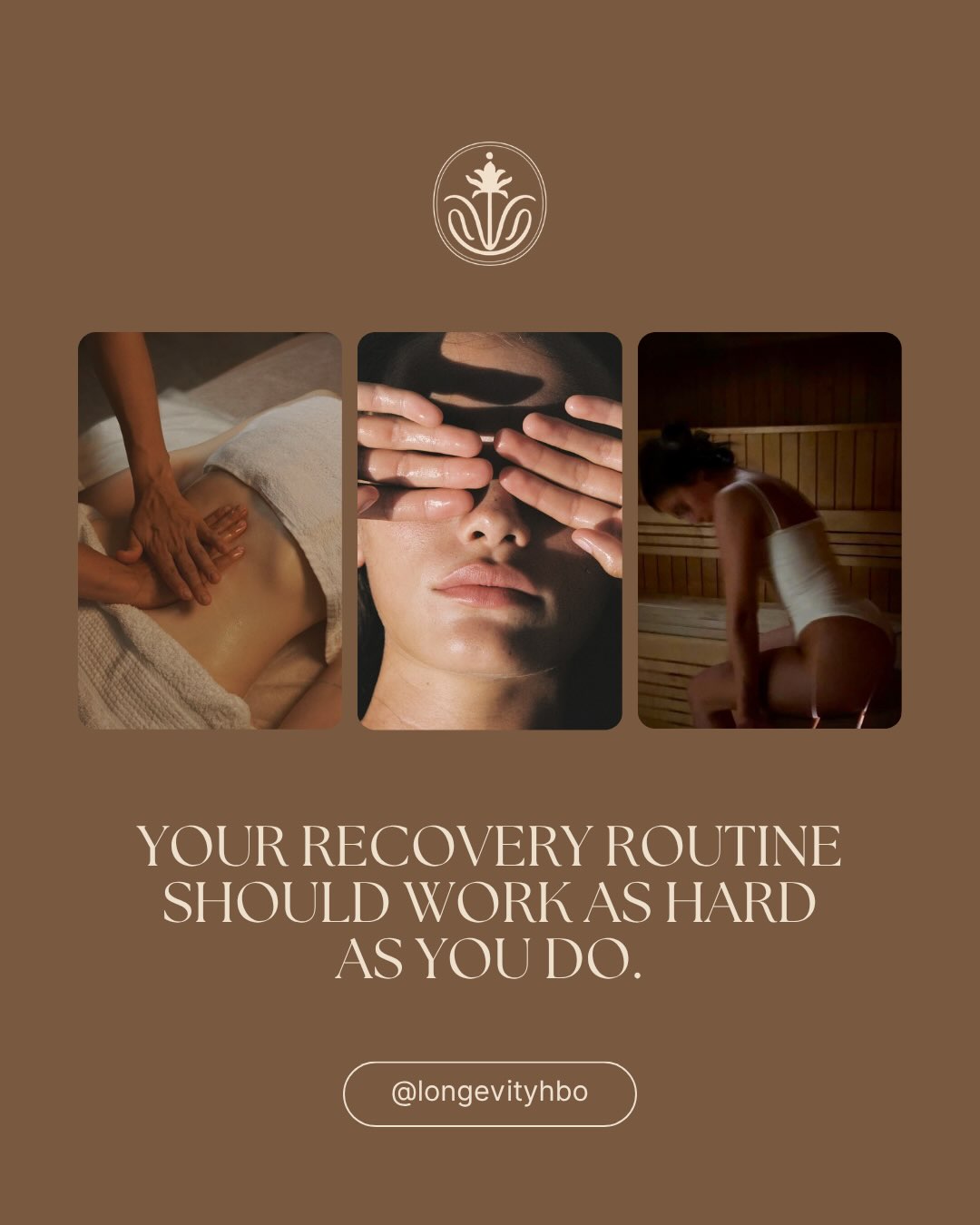
Recovery in Los Angeles now works on three fronts at once
Deep tissue work, infrared heat and lymphatic drainage each answer a different question the body is asking.
LONGEVITY HYPERBARICS STAFFTurn your social into search
We turn your posts into editorial stories that bring new search traffic to longevityhbo.com. Three of yours will be on this page.
Book a demo
longevityhbo Whether your body is asking for deeper recovery, a nervous system reset or a little help feeling lighter. we provide a treatment for that. HBOT. Infrared. Lymphatic Drainage. The question is. what is your body asking for? Call us on +1 310 866 2117 to schedule your first visit or email us at info@longevityhbo.com to learn more.
Deep tissue work, infrared heat and lymphatic drainage each answer a different question the body is asking.
LONGEVITY HYPERBARICS STAFFHow it works
Same as today. Nothing changes on Instagram.
We turn your post into a full story in your voice within the hour.
One click publishes it to longevityhbo.com. Nothing goes live without you.
Your stories
Nothing was published anywhere. You decide that. Every word will come from your own posts, your own photos and your own treatments.
Recovery Practice · From your post
Deep tissue work, infrared heat and lymphatic drainage each answer a different question the body is asking.
“Whether your body is asking for deeper recovery, a nervous system reset or a little help feeling lighter. we provide a treatment for that. HBOT. Infrared. Lymphatic Drainage. The question is. what is your body asking for? Call us on +1 310 866 2117 to schedule your first visit or email us at info@longevityhbo.com to learn more.”
Brain Health · From your post
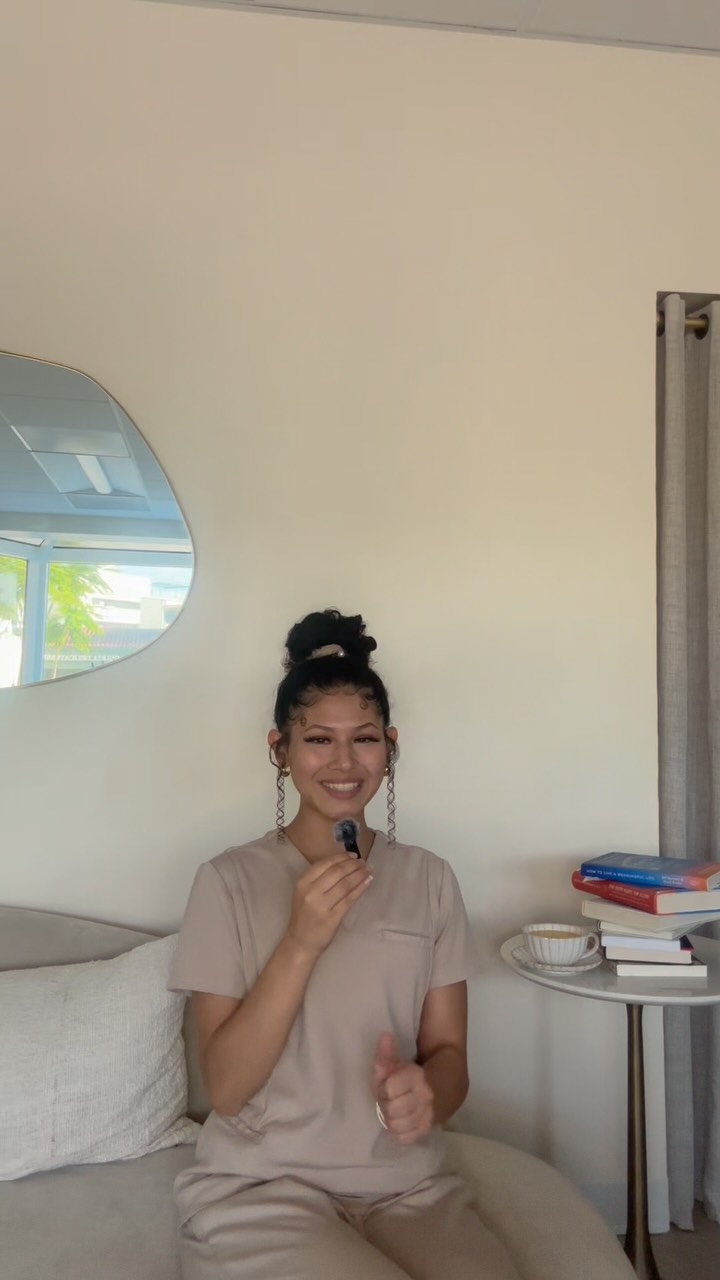
Anissa walks through why extra oxygen matters for the brain, not just the body, during a hyperbaric session.
“Your brain + more oxygen. Here’s why it matters. Our lovely Anissa talks us through what’s really happening to your brain during a HBOT session. Call us on +1 310 866 2117 to schedule your first visit. Email us at info@longevityhbo.com to learn more. #longevity #hyperbaricchamber #oxygentherapy #health #livelonger”

Recovery · From your post
A rumpled bed captures the idea behind hyperbaric oxygen therapy: real repair happens where you cannot watch it happen.
“The treatment doing more than you can see. Consider this your sign to book. Call us on +1 310 866 2117 to schedule your first visit. Email us at info@longevityhbo.com to learn more. #hyperbaricoxygentherapy #oxygen #LA #health #cellularhealth”
One social post becomes another searchable entry point to Longevity Hyperbarics.
Our own magazine. Clicks and citations from Google Search Console, as of September 15, 2026.
Draft story for longevityhbo.com · Recovery Practice
Deep tissue work, infrared heat and lymphatic drainage each answer a different question the body is asking.
Most people wait until something hurts to think about recovery. We think about it the other way around. Recovery is not a reaction to a hard week, it is a practice that runs alongside everything else you are doing, whether that is training, working long hours, or simply trying to feel less depleted by the time evening comes.
That is why we do not offer one answer. We offer three: HBOT, infrared and lymphatic drainage. Each one addresses something different in the body, and the point is not to pick a favorite. It is to notice what you actually need on a given day and choose accordingly, rather than defaulting to whatever sounds most impressive.
Deep tissue work is the most immediate of the three. Hands pressing firmly into muscle, real pressure, real friction, the kind of contact that finds tension you did not know you were holding. It is not relaxing in the spa sense. It is closer to maintenance, the physical equivalent of checking under the hood before something breaks down further.
Then there is the quieter side of recovery, the nervous system reset. A face covered gently by hands, eyes closed, skin still damp, is not about muscle at all. It is about slowing down a body that has been running on alert. That kind of stillness does not happen by accident. It has to be created, deliberately, with someone guiding the pace.
And there is heat. Infrared sessions ask the body to sweat out something more than water, sitting in a wood lined room until the shoulders drop and the breathing changes. It is a different kind of effort, quiet but demanding, the sort of session that looks like rest from the outside and feels like work from the inside.
The three treatments are not interchangeable, and that is intentional. HBOT supports recovery at a cellular level. Infrared brings heat and circulation into the picture. Lymphatic drainage moves fluid and reduces that heavy, swollen feeling that builds up after training or travel. Knowing which one you need matters more than trying all three at once.
Feeling lighter is not a vague goal here, it is a physical outcome of clearing what the body has been holding onto. Some days that means drainage work. Other days it means sweat, or pressure, or simply the chance to lie still for an hour without a phone in reach. The tools change based on what is actually needed.
We built these three treatments around one idea: recovery should not be an afterthought squeezed in when something finally gives out. If your training or your schedule or your stress load is working hard, your recovery routine should be working just as hard alongside it. Call us at +1 310 866 2117 or email info@longevityhbo.com to schedule your first visit.
Draft story for longevityhbo.com · Brain Health
Anissa walks through why extra oxygen matters for the brain, not just the body, during a hyperbaric session.
Most people think of oxygen therapy as something for the body, for healing tissue or recovering faster after strain. That is only half the picture. Inside our chamber, the conversation we keep coming back to is the brain, because it is one of the most oxygen hungry organs we have, and it responds quickly when it gets more than its usual supply.
In a short clip filmed on our couch, Anissa breaks down what is really happening during a session. She sits calmly, thumb up, walking through the process the way she would with a client before they step into the chamber. It is a simple explanation, delivered plainly, because the science behind it does not need embellishment to make sense.
The basic idea is pressure. Inside the chamber, the air pressure increases, which allows the lungs to take in more oxygen than they would at normal atmospheric conditions. That oxygen dissolves directly into the blood plasma, not just the red blood cells, which means it can reach areas of the body and brain that might otherwise be harder to saturate.
The brain relies on a steady, uninterrupted oxygen supply to function well, and even small dips in that supply can affect focus, mood, and energy. When oxygen levels rise during a session, the brain has more raw material to work with. That is the shift Anissa is describing, a change that starts at the cellular level before it shows up in how someone feels.
This is why the sessions are often framed around clarity and recovery rather than one single fixed benefit. Oxygen availability plays a role in how tissue repairs itself and how cells generate energy, so a brain that is better supplied has more capacity to do the quiet, constant work it is always doing in the background, whether someone notices it directly or not.
We keep these explanations short and direct because hyperbaric therapy can sound complicated from the outside, chambers and pressure and plasma levels are not everyday vocabulary. Anissa's approach mirrors what we try to do with every new client. Skip the jargon, explain the mechanism plainly, and let people understand what is actually happening to their body before they commit to a first visit.
None of this requires prior experience with oxygen therapy or medical treatment. A first visit is simply that, a first visit, a chance to sit in the chamber and experience the pressure change while someone on our team walks through what to expect. Anissa's explanation is meant to remove some of the mystery before a client ever steps inside.
If the brain runs on oxygen the way the rest of the body does, then a session built around increasing that supply is worth understanding before writing it off as another wellness trend. Anissa's explanation is a starting point, not the whole story, and the easiest way to understand the rest of it is to book a first visit and feel the difference directly.
Draft story for longevityhbo.com · Recovery
A rumpled bed captures the idea behind hyperbaric oxygen therapy: real repair happens where you cannot watch it happen.
Warm bedding, pushed into soft folds, caught in low light. Nothing dramatic is happening in that frame, which is exactly the point. Rest looks like almost nothing from the outside. The actual work of recovery, the part that matters, happens underneath the stillness, in tissue and blood and cells that never make it into anything you could photograph.
That gap between what rest looks like and what it does is where we spend most of our time. Hyperbaric oxygen therapy works the same way. A session looks quiet. You lie down in a chamber, breathe, and stay still for a while. Nothing about the surface tells you what is actually going on inside your body during that hour.
Underneath that stillness, pressurized oxygen is being pushed into your bloodstream at levels far higher than normal breathing allows. It reaches plasma, tissue, and cells that are harder to saturate through ordinary means. The visible part of the session, someone resting in a chamber, is a small fraction of what the treatment is actually doing at a cellular level.
We describe this as the treatment doing more than you can see, and that phrase was chosen carefully. It is not a claim about mystery. It is a statement about scale. The effects of increased oxygen delivery happen well below what anyone could observe by watching a session from a chair outside the room.
This is also why hyperbaric oxygen therapy tends to get undersold in casual conversation. It does not produce an obvious before and after in the way a visible treatment might. Its value sits in cellular processes, not in anything dramatic you could point to. Judging it by appearance alone will always undersell what the hour is actually doing for the body.
If you have been circling the idea of trying it, consider this your sign to book. A first visit is a reasonable way to understand what an hour in the chamber actually feels like, rather than trying to picture it secondhand from a description or from a still shot of folded sheets on a bed.
Scheduling is straightforward. Call us at +1 310 866 2117 to set up your first visit, or email info@longevityhbo.com if you want more detail before committing to a time. Both routes work well depending on whether you already know you want to book or you are still working through a few questions about what the session involves.
We are based in Los Angeles, and most people who come in are simply looking for a way to support recovery that does not depend on how it looks from the outside. The chamber does not need to be dramatic to be doing something real. Like that rumpled bedding, the value is in what is happening quietly, underneath the surface, while you stay still.
Keep reading