What makes french toast worth ordering in Los Angeles
A look at why day old bakery bread, not batter, is the real test of a proper french toast plate.
LITTLE DOM'S STAFFTurn your social into search
We turn your posts into editorial stories that bring new search traffic to littledoms.com. Three of yours will be on this page.
Book a demo
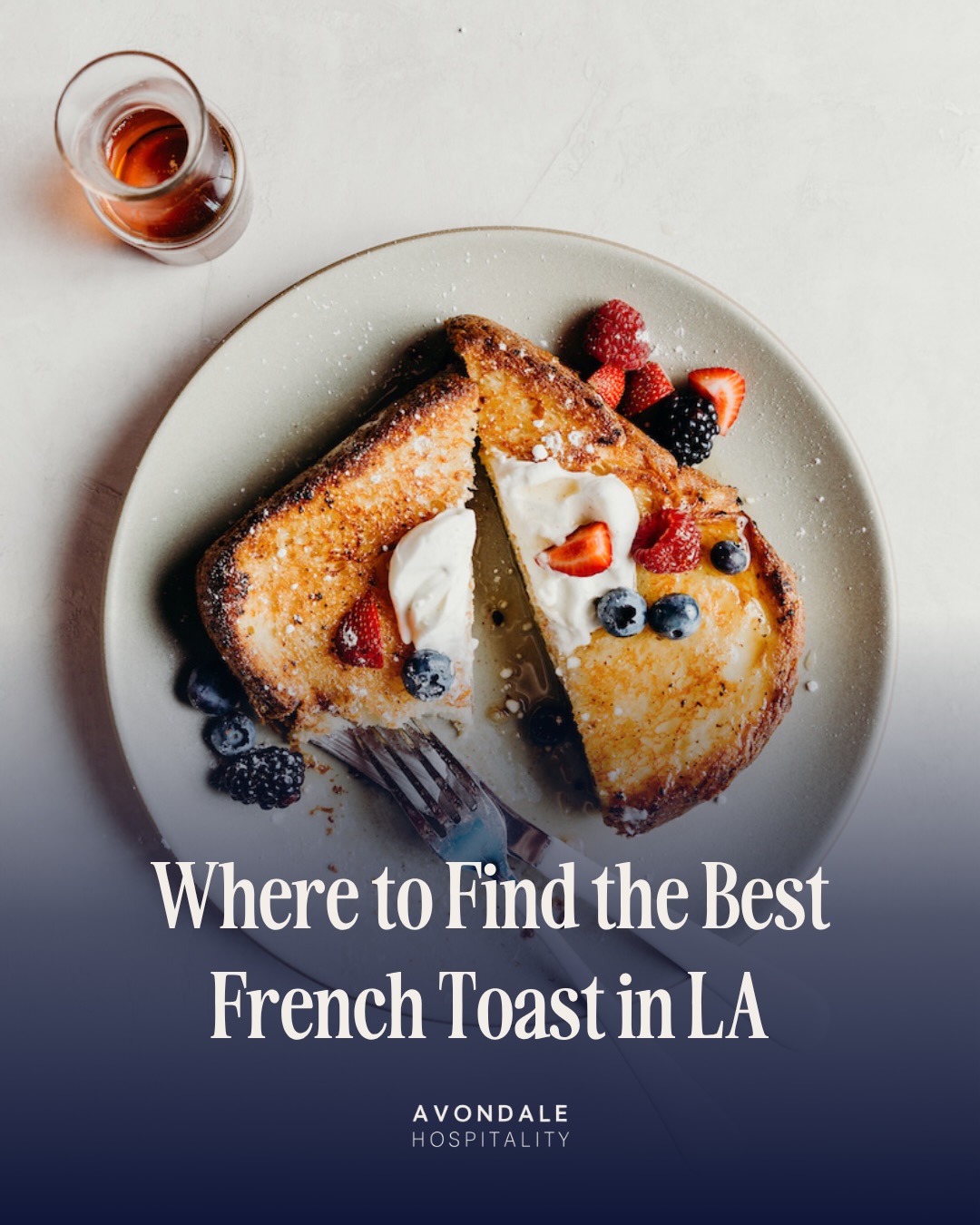
littledomsla Pancakes are batter and pastry is technique. French toast is a bakery’s own bread, day old, soaked and cooked to order. Here are Avondale’s picks for the best french toast in LA. #frenchtoast #brunch #losangeles #larestaurants #guide
A look at why day old bakery bread, not batter, is the real test of a proper french toast plate.
LITTLE DOM'S STAFFHow it works
Same as today. Nothing changes on Instagram.
We turn your post into a full story in your voice within the hour.
One click publishes it to littledoms.com. Nothing goes live without you.
Your stories
Nothing was published anywhere. You decide that. Every word will come from your own posts, your own photos and your own menu.
Brunch Guide · From your post
A look at why day old bakery bread, not batter, is the real test of a proper french toast plate.
“Pancakes are batter and pastry is technique. French toast is a bakery’s own bread, day old, soaked and cooked to order. Here are Avondale’s picks for the best french toast in LA. #frenchtoast #brunch #losangeles #larestaurants #guide”
New On Lunch · From your post
Spaghettini, garlic, chili flakes and Grana Padano make the midday hours a little more worth planning around.
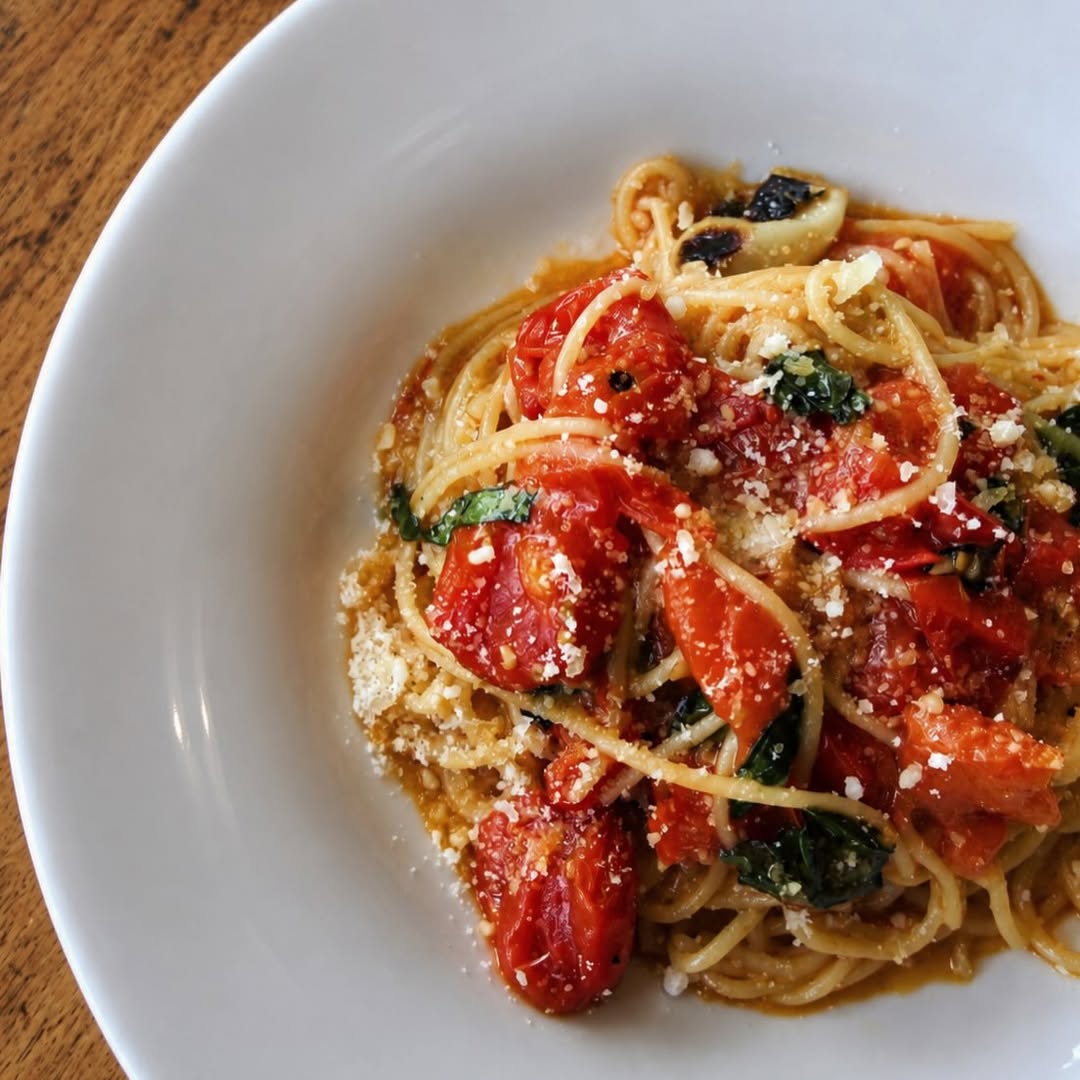
“POMODORO ✨ Now on our Day time / Lunch menu 🍽️ Spaghettini, Garlic, Chili Flakes & Grana Padano”
From your post
One social post becomes another searchable entry point to Little Dom's.
Our own magazine. Clicks and citations from Google Search Console, as of September 15, 2026.
Draft story for littledoms.com · Brunch Guide
A look at why day old bakery bread, not batter, is the real test of a proper french toast plate.
Pancakes come from batter. Pastry comes from technique. French toast sits somewhere else entirely, and that difference is exactly why it deserves its own conversation. It starts as bread that already exists in the building, usually a day old, then gets soaked and cooked to order. That single distinction changes how the dish should be judged and, frankly, how it should be ordered.
The plate in question makes the case plainly. Two thick slices, split and layered, hold whipped cream, blueberries, blackberries, raspberries, and sliced strawberries, with a small glass pitcher of syrup set to the side rather than poured over the top. Powdered sugar dusts the fruit lightly. The bread itself is dark at the edges, pale and soft in the center, cut open to show exactly what a good soak looks like.
Fresh bread does not make good french toast. It falls apart in the custard before it ever hits the pan. Bread that has sat for a day has lost enough moisture to actually absorb what it is soaked in, which means the inside turns custardy instead of soggy, and the crust can take real heat without burning before the center sets. That is the entire mechanical reason a bakery kitchen has an advantage here.
This is also why the dish rewards a restaurant that bakes its own bread in the first place. There is no separate french toast loaf to buy and stock. It is simply yesterday's bread finding a second use, cut thick enough to hold its shape through a soak and a hard sear. The result is a slice with a distinct outer crust and a center that stays soft under a fork.
The fruit on this particular plate is not decoration so much as balance. Blueberries and blackberries bring a dull sweetness, raspberries and strawberries bring acid, and the whipped cream softens all of it against the char on the bread. The syrup staying separate, in its own small pitcher, lets whoever is eating control exactly how much sweetness lands on each bite instead of having it soak in before the first cut.
Good french toast should show its edges. A slice that is uniformly golden all over usually means an even, gentler cook, but a slice with darker, uneven patches like the one pictured here suggests real heat and a pan that was doing its job. The interior tells the rest of the story: cut it open and it should hold a slight custard color, not a dry crumb and not a wet, collapsing center.
Order it the way it is meant to be eaten, which is quickly, while the crust is still doing its job against the soft interior. French toast does not hold well. It is not a dish built for patience, and that is part of what separates it from a stack of pancakes that can sit under syrup for ten minutes without much consequence. The window where it is actually at its best is short.
None of this makes french toast complicated. It just makes it worth paying attention to, especially in a city with as many brunch menus as Los Angeles has. The next time a slice arrives soaked, dark at the edges, and cut open to show that pale, custardy center, it is worth remembering that the dish started as bread with nowhere else to go, and ended up being the best thing on the table.
Draft story for littledoms.com · New On Lunch
Spaghettini, garlic, chili flakes and Grana Padano make the midday hours a little more worth planning around.
Pomodoro is now part of our daytime and lunch menu, which means a plate built on blistered tomatoes and garlic is available well before dinner service starts. The dish is spaghettini tossed with cherry tomatoes cooked down until they split and soften, torn basil, a good hit of chili flakes, and Grana Padano finished over the top. It is simple in the way a good pomodoro should be.
There is nothing hidden about this plate. The tomatoes hold their shape just enough to still look like tomatoes, some blackened slightly at the edges from the pan, their juices working into the pasta rather than sitting on top of it. Basil shows up in small dark pieces throughout, not as a garnish laid on at the end but as something actually cooked into the sauce itself.
Grana Padano gets grated generously over the finished plate, enough that it clings to the noodles in small clumps rather than dissolving completely. Chili flakes are visible too, scattered rather than blended in, which means the heat comes in at a spot instead of hitting evenly across every bite. That kind of unevenness is part of what makes a dish like this feel handmade instead of assembled.
Dinner menus tend to get the more ambitious dishes, the slow braises and the composed plates that take a while to eat and a while to talk about. Lunch usually asks for something quicker and more direct. Pomodoro fits that role well. It is a dish people already understand before it arrives, which frees up the meal for conversation, work, or simply getting back out the door on time.
Spaghettini is the right choice here rather than a thicker noodle. It is thin enough to pick up the tomato and garlic in every twirl of the fork, so the sauce never feels separate from the pasta. That matters more at midday, when a heavier noodle can sit too dense in a meal that is supposed to keep the rest of the day moving rather than slow it down.
There is no long ingredient list to explain here, and that is the point. Spaghettini, garlic, chili flakes, cherry tomatoes, basil, and Grana Padano is the entire cast, and each one has an actual job to do on the plate. Garlic sets the base, chili adds edge, cheese adds salt and weight, and the tomatoes carry the whole dish once they have had time to break down properly.
Cooking tomatoes this way, until they collapse and release their liquid into the pan, takes more patience than most people assume for a dish this straightforward. Rushed tomatoes stay watery and separate from the pasta instead of clinging to it. The blackened bits visible on some of the pieces suggest real heat and real time in the pan, not a shortcut sauce built to move fast during service.
Adding pomodoro to lunch is a small change, but it shifts what a daytime visit can look like. Instead of defaulting to something lighter out of habit, there is now a reason to sit down with a full plate of pasta in the middle of the day. It is the kind of dish that works whether the table is splitting a few plates or one person is eating alone before heading back to work.
The plate itself stays uncomplicated on purpose: white ceramic, no extra garnish beyond what is already cooked into the pasta, cheese dusted generously enough to see from across the table. That restraint is intentional. A dish this direct does not need styling to make its case. It just needs the tomatoes cooked right, the garlic present but not overwhelming, and enough Grana Padano to remind you it is there.
Draft story for littledoms.com
Keep reading