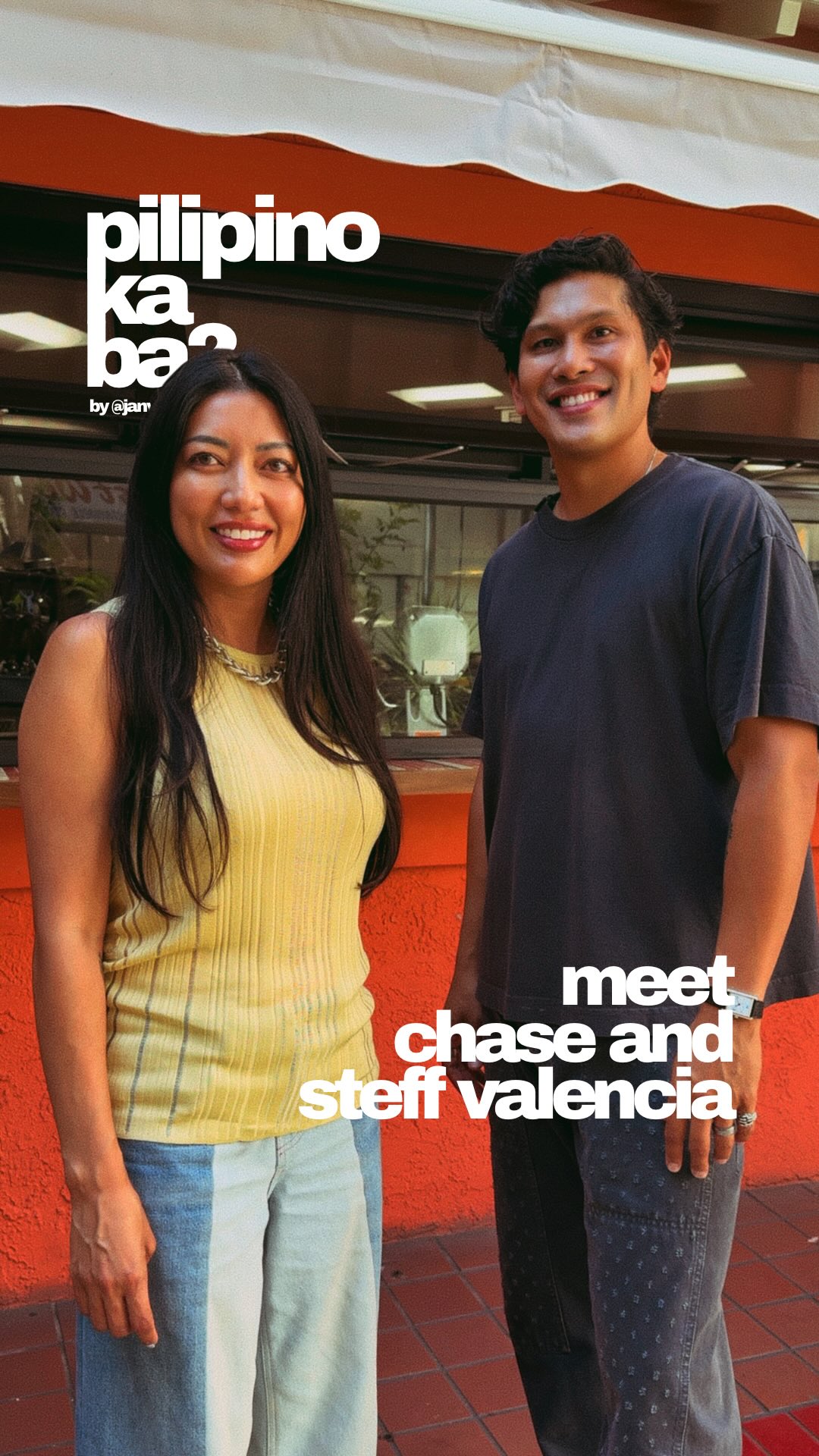
Chase and Steff Valencia are rewriting what Filipino food can look like in Chinatown
At Lasita, rotisserie meats, natural wine and California instincts share a table without losing sight of where the flavors came from.
LASITA STAFFTurn your social into search
We turn your posts into editorial stories that bring new search traffic to lasita-la.com. Three of yours will be on this page.
Book a demo
lasita.la 🇵🇭 PILIPINO KA BA? | EPISODE 38 | Meet Chase and Steff Valencia, Owners of Lasita While in California, I ran into Chase (@txeis_valencia) and Steff Valencia (@supersteff), owners of Lasita (@lasita.la), the lively Filipino restaurant serving rotisserie meats, seasonal dishes and low intervention wines in Chinatown’s Far East Plaza in Downtown Los Angeles. Born out of the pandemic, Lasita was inspired by the couple’s travels, merging the conviviality of wine bars across the world with familiar Filipino flavors brought alive by their roots in California. My favorite part of the interview? Seeing folks like Chase and Steff understand that our culture and food can be explored in ways that remain authentic to the Filipino experience without needing to be traditional. From infusing their California sensibility into kinilaw to finding the perfect natural wine pairing for their pork belly lechon, Lasita brings Filipino food to a new lens that, at its heart, still celebrates and honors the roots of our flavors. Not pictured. me, staying from the beginning of service ‘til closing in awe at the vibrant community Lasita has built around itself with our culture leading the charge.. oh and the Chenin Blanc of course. Thank you so much for your hospitality, Chase and Steff! #PilipinoKaBa #Filipino #FilipinoAmerican #FilipinoFood #LosAngeles
At Lasita, rotisserie meats, natural wine and California instincts share a table without losing sight of where the flavors came from.
LASITA STAFFHow it works
Same as today. Nothing changes on Instagram.
We turn your post into a full story in your voice within the hour.
One click publishes it to lasita-la.com. Nothing goes live without you.
Your stories
Nothing was published anywhere. You decide that. Every word will come from your own posts, your own photos and your own menu.
Owner Profile · From your post
At Lasita, rotisserie meats, natural wine and California instincts share a table without losing sight of where the flavors came from.
“🇵🇭 PILIPINO KA BA? | EPISODE 38 | Meet Chase and Steff Valencia, Owners of Lasita While in California, I ran into Chase (@txeis_valencia) and Steff Valencia (@supersteff), owners of Lasita (@lasita.la), the lively Filipino restaurant serving rotisserie meats, seasonal dishes and low intervention wines in Chinatown’s Far East Plaza in Downtown Los Angeles. Born out of the pandemic, Lasita was inspired by the couple’s travels, merging the conviviality of wine bars across the world with familiar Filipino flavors brought alive by their roots in California. My favorite part of the interview? Seeing folks like Chase and Steff understand that our culture and food can be explored in ways that remain authentic to the Filipino experience without needing to be traditional. From infusing their California sensibility into kinilaw to finding the perfect natural wine pairing for their pork belly lechon, Lasita brings Filipino food to a new lens that, at its heart, still celebrates and honors the roots of our flavors. Not pictured. me, staying from the beginning of service ‘til closing in awe at the vibrant community Lasita has built around itself with our culture leading the charge.. oh and the Chenin Blanc of course. Thank you so much for your hospitality, Chase and Steff! #PilipinoKaBa #Filipino #FilipinoAmerican #FilipinoFood #LosAngeles”
Collab Night · From your post
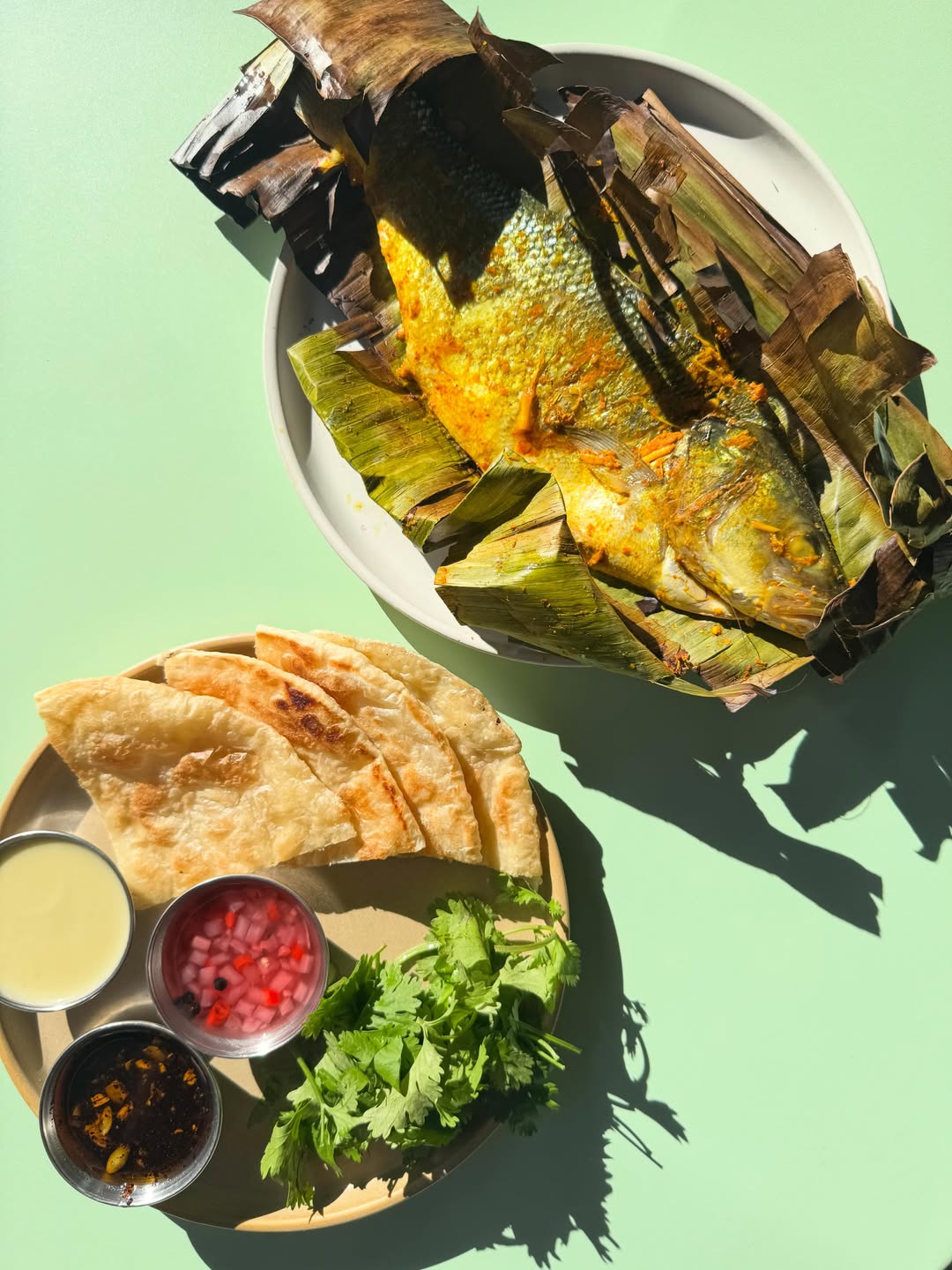
A whole fish wrapped in banana leaf and a stack of griddled flatbreads told the story of a night built around one shared table.
“If you missed our special @fuuuugaz collab night, here’s a little recap. This collaboration has been in the works for so long, and we couldn’t be happier with how it all came together. A huge shoutout to @xicasoul for keeping the tunes going all night, and to @giulaco for traveling all the way from Mexico City to cook and host this unforgettable evening with us. We hope you enjoyed it as much as we did!!!”
On The Menu · From your post
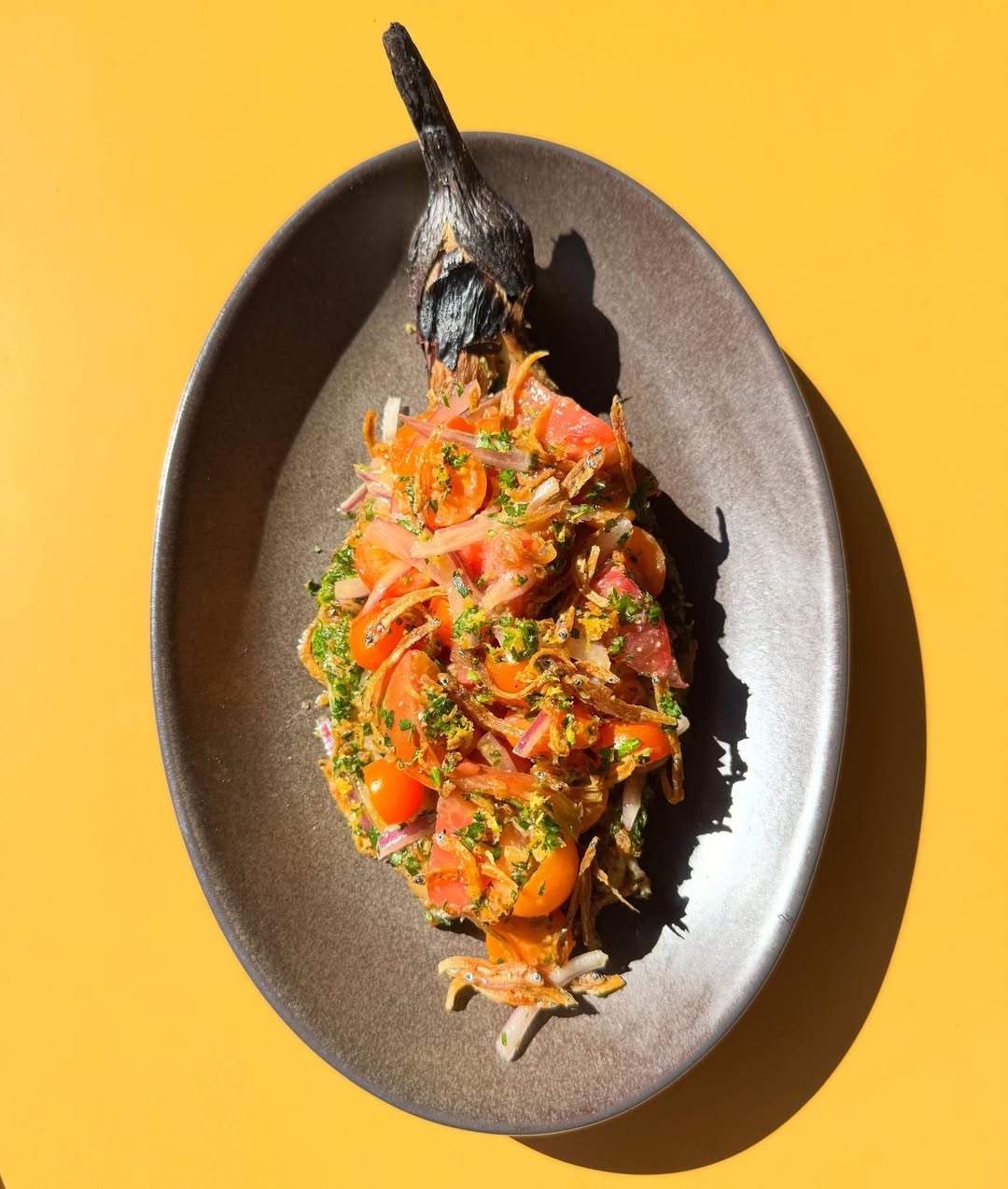
A one night special pairs whole smoked eggplant with sungold tomatoes, dilis gremolata, and a miso calamansi vinaigrette.
“tonight, end of summer special! EGGPLANT SALAD smoked eggplant ~ sungold tomato ~ dilis gremolata ~ miso calamansi vin reservations & walk ins welcome”
One social post becomes another searchable entry point to Lasita.
Our own magazine. Clicks and citations from Google Search Console, as of September 15, 2026.
Draft story for lasita-la.com · Owner Profile
At Lasita, rotisserie meats, natural wine and California instincts share a table without losing sight of where the flavors came from.
Outside our spot in Far East Plaza, the awning throws long shadows across the plaza floor most afternoons, and that is usually where conversations like this one happen. Chase and Steff Valencia, the two of us behind Lasita, spent an afternoon talking through what this restaurant actually is. Not a concept dreamed up in the abstract, but something built out of years of travel, family recipes and a shared instinct for hospitality that predates the restaurant itself.
Lasita came together during the pandemic, when the usual rules about how a restaurant should open no longer applied. That timing shaped the place as much as any menu decision did. Instead of a slow rollout, we built something quickly, guided by what we already knew: rotisserie meats done well, seasonal ingredients treated with care, and wine chosen the way you would choose it for friends rather than for a wine list.
The idea for Lasita took shape across our travels, in wine bars scattered around the world where the format was casual but the pouring was thoughtful. We kept noticing how that conviviality, people leaning over a shared bottle, felt like it belonged next to Filipino food. Our roots growing up in California gave us the second half of the equation: familiar flavors filtered through a sensibility we already understood firsthand.
That combination shows up most clearly in dishes like kinilaw, where a California instinct for brightness and acidity meets a preparation that has always belonged to Filipino tables. It also shows up in how we think about pairing, like finding a natural wine that actually holds up next to pork belly lechon instead of just sitting beside it. Neither element is treated as decoration. Both are working toward the same plate.
What we care about most is proving that Filipino food does not need to stay locked into one traditional format to remain authentic. Exploring the cuisine through a different lens, seasonal menus, low intervention wine, a rotisserie forced into daily use, does not dilute where the food comes from. It just gives it another way to be understood, especially by people encountering these flavors for the first time in a Chinatown plaza.
Service at Lasita runs long, start to close, and the room fills with a kind of energy that is hard to manufacture on purpose. It happens because the people coming through the door recognize something familiar even when the format is new to them. Culture leads here, not nostalgia for its own sake, and that distinction shapes every decision we make about the menu and the room.
We think of Lasita as an ongoing conversation between where we come from and where we have ended up. Every bottle poured and every plate sent out carries some version of that back and forth. It is less about arriving at a finished idea of Filipino food and more about staying open to what it can become next, one service, one pairing, one plate at a time.
Draft story for lasita-la.com · Collab Night
A whole fish wrapped in banana leaf and a stack of griddled flatbreads told the story of a night built around one shared table.
The banana leaf came to the table still smoking at the seams, its edges charred dark while the fish underneath held its color, skin gone gold and orange from whatever spice rub met the heat first. It sat on a plain white plate on a bright green tabletop, the kind of presentation that does not need explaining once it lands in front of you.
Next to it, a low round plate did the supporting work: four pieces of flatbread with faint char marks, a small bowl of something pale and creamy, a dish of diced red onion and chile, a darker sauce with visible seeds and aromatics, and a loose bundle of cilantro left whole rather than chopped. Nothing on that plate was decorative. Everything on it was meant to be used.
This spread came out of a collaboration night we had been building toward for a long time, and it finally happened with fuuuugaz joining us in the kitchen. The kind of night where two teams cook side by side does not come together quickly, and the fish in banana leaf was one clear result of that planning, a dish that needed both patience and heat handled just right.
None of it happened without specific people doing specific jobs. xicasoul kept music going for the full night, which matters more than it sounds like on paper, since a collaboration dinner lives or dies on pacing, and the right sound in the room keeps a long service feeling easy instead of long.
giulaco traveled from Mexico City to cook and host the evening with us, which is no small commitment for one night of service. Having someone come that far to stand at the pass says something about how seriously this collaboration was treated on both sides, not as a one off photo moment but as an actual shared kitchen effort.
The fish itself is worth sitting with. Wrapping it in banana leaf before cooking protects the flesh while the leaf chars and perfumes it, and the result staying flaky under that golden, spiced skin is the payoff of doing it right. Served whole on the plate, head and tail intact, it was clearly built to be shared rather than portioned out individually.
The flatbreads were there to do exactly what flatbreads do best at a table like this: scoop, wrap, and carry. Paired with the cooling pale sauce, the bright pickled onion and chile, the deeper savory dip, and a handful of fresh cilantro, the format gave everyone at the table a way to build their own bite instead of waiting for a set plate.
We could not be happier with how the whole night came together, from the kitchen collaboration down to the small condiment bowls that gave people room to customize each bite. It was the kind of dinner that only works when everyone involved, cooks, host, and the person running the music, is fully in it together, and this one was.
Draft story for lasita-la.com · On The Menu
A one night special pairs whole smoked eggplant with sungold tomatoes, dilis gremolata, and a miso calamansi vinaigrette.
Tonight's special starts with something most kitchens treat as a side note: a whole eggplant, smoked until its skin blisters black and its stem curls upward like it survived something. That charred stem stays attached on the plate, a small signal that nothing about this dish was rushed through a fryer or shortcut with raw vegetables. The smoke is the whole point, not a garnish on top of it.
Underneath that blackened skin, the eggplant collapses into something soft and smoky, the kind of texture that only comes from real heat held over time. It sits as the base for everything else, absorbing whatever gets piled on top of it. On a plate this composed, the eggplant is doing quiet structural work while the brighter ingredients get the attention.
Halved sungold tomatoes scatter across the eggplant in shades of orange and gold, their color practically matching the yellow backdrop they are photographed against. Sungolds run sweeter than a standard tomato, and against smoked eggplant that sweetness reads as relief, a counterweight to all that char. They also add moisture to a dish that could otherwise lean dry and heavy after time over smoke.
Threaded through the tomatoes are ribbons of shallot or onion, thin enough to curl rather than crunch, plus a scattering of dilis gremolata that gives the whole plate its textural snap. Dilis are small dried anchovies, and worked into a gremolata they bring salt and a savory backbone that keeps the dish from tipping too far into sweetness. It reads less like a topping and more like seasoning with texture attached.
The miso calamansi vinaigrette is the part doing the most work behind the scenes. Miso brings depth and a little funk, calamansi brings the citrus snap that Filipino cooking leans on constantly, and together they form a dressing built to cut through smoke and sweetness at the same time. It clings to the tomatoes and pools slightly at the base of the eggplant, visible in the sheen across the plate.
What makes the dish work is how deliberately each element answers another. Smoke needs brightness, so there are sungold tomatoes. Sweetness needs salt, so there is dilis gremolata. Everything needs acid to hold it together, so there is calamansi. None of it feels decorative. Each component earns its place by correcting whatever the previous one leaves unfinished, which is a harder trick than it looks.
Calling this an end of summer special says something about timing without saying it outright. Sungold tomatoes are a summer ingredient, and building a dish around them while they are still good is a practical decision as much as a seasonal one. There is no promise attached about how long it stays on the menu, just an acknowledgment that this particular version of the dish belongs to right now.
Tonight it is available for both reservations and walk ins, which keeps it accessible to whoever happens to be in Chinatown and hungry rather than reserved for anyone planning ahead. If the appeal is a whole smoked eggplant dressed in sungold tomatoes, dilis gremolata, and a miso calamansi vinaigrette, the only real requirement is showing up while it is still on the table.
Keep reading