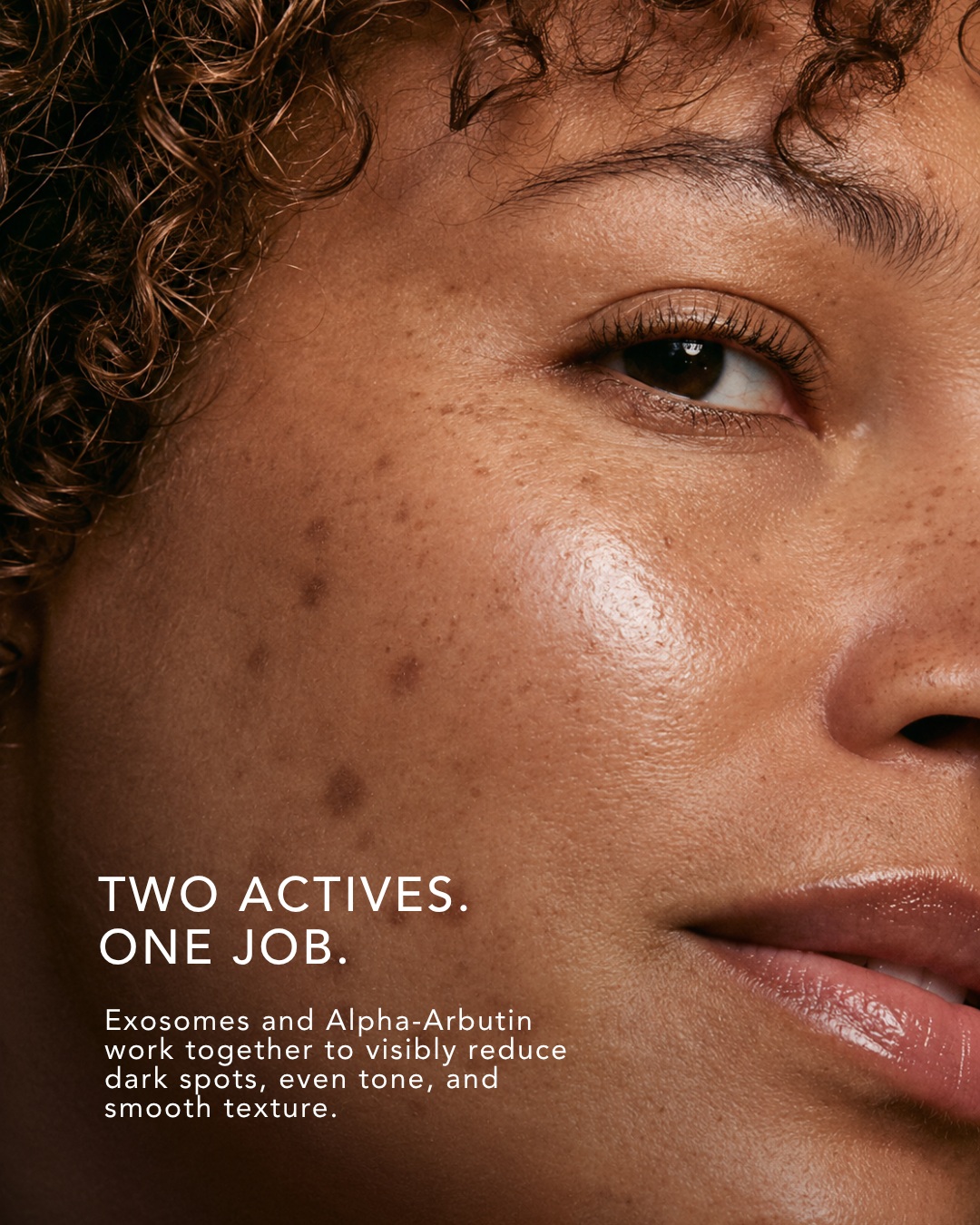
Why dark spots need two different actives, not one
Inside the Gravity Dark Spot Correcting Serum, exosomes and Alpha Arbutin are built to do separate, complementary jobs.
LANCER DERMATOLOGY STAFFTurn your social into search
We turn your posts into editorial stories that bring new search traffic to lancerskincare.com. Three of yours will be on this page.
Book a demo
lancerskincare Two of the actives inside our Gravity Dark Spot Correcting Serum. 🧬 Exosomes help optimize the skin environment, while Alpha Arbutin targets melanin production to visibly reduce dark spots and discoloration over time. Shop at LancerSkincare.com
Inside the Gravity Dark Spot Correcting Serum, exosomes and Alpha Arbutin are built to do separate, complementary jobs.
LANCER DERMATOLOGY STAFFHow it works
Same as today. Nothing changes on Instagram.
We turn your post into a full story in your voice within the hour.
One click publishes it to lancerskincare.com. Nothing goes live without you.
Your stories
Nothing was published anywhere. You decide that. Every word will come from your own posts, your own photos and your own treatments.
Skin Science · From your post
Inside the Gravity Dark Spot Correcting Serum, exosomes and Alpha Arbutin are built to do separate, complementary jobs.
“Two of the actives inside our Gravity Dark Spot Correcting Serum. 🧬 Exosomes help optimize the skin environment, while Alpha Arbutin targets melanin production to visibly reduce dark spots and discoloration over time. Shop at LancerSkincare.com”
Skincare Myths · From your post
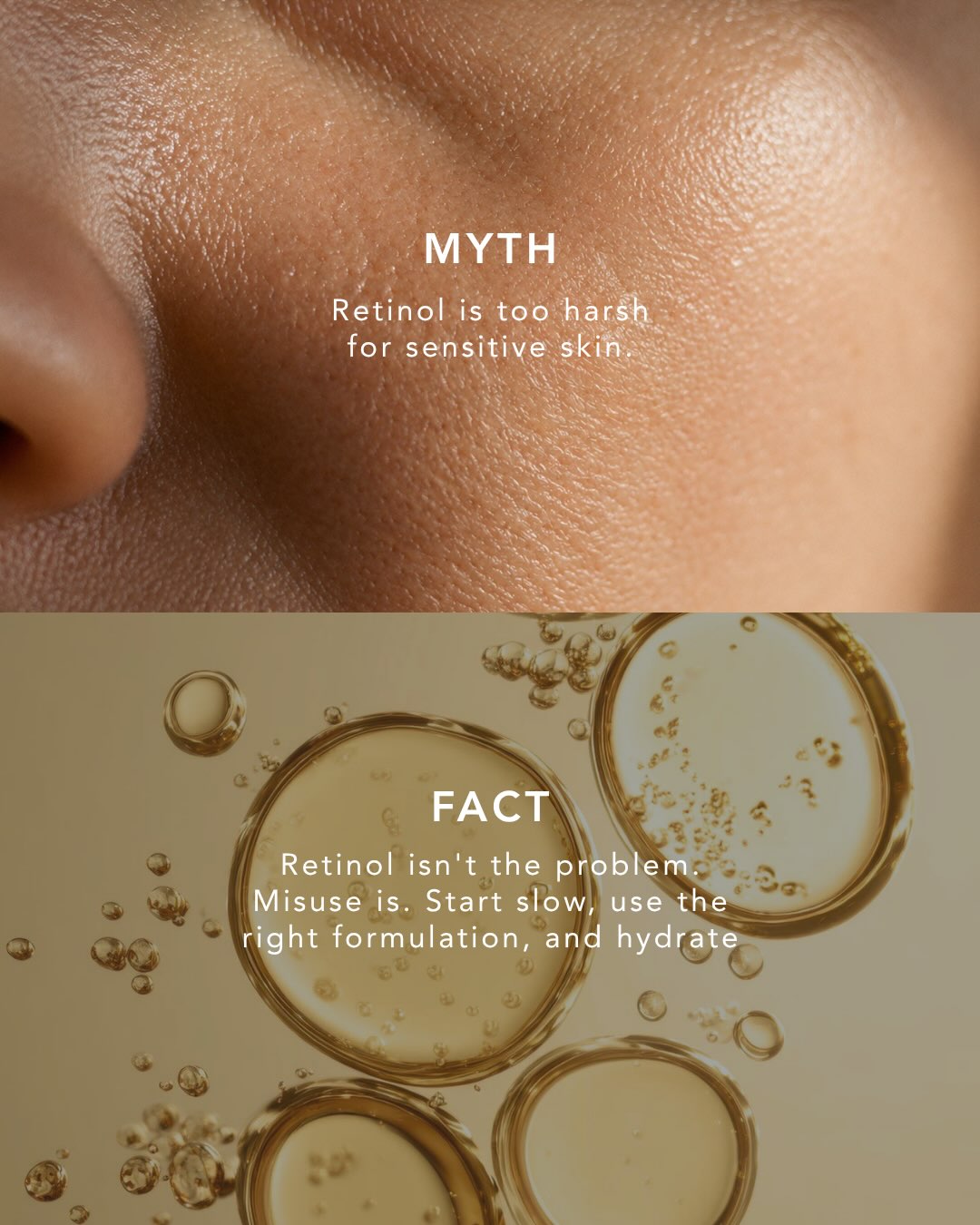
Dr. Lancer separates fact from fiction on one of skincare's most repeated warnings.
“Debunking the skincare myths you’ve heard time and time again. 🔬 Swipe for Dr. Lancer’s take on what’s fact, and what’s fiction. →”

Series · From your post
Episode four of our consultations series follows one client through her firsthand experience in Beverly Hills.
“SKIN CONSULTATIONS. EP. 04 What happens when you consult with one of Beverly Hills’ most trusted dermatologists? @cherayeslifestyle shares her experience firsthand. 🤍”
One social post becomes another searchable entry point to Lancer Dermatology.
Our own magazine. Clicks and citations from Google Search Console, as of September 15, 2026.
Draft story for lancerskincare.com · Skin Science
Inside the Gravity Dark Spot Correcting Serum, exosomes and Alpha Arbutin are built to do separate, complementary jobs.
Dark spots are rarely caused by a single process, which is why treating them with a single ingredient often falls short. Discoloration forms through overactive melanin production, but it lingers longer when the skin around it is under stress or slow to recover. Addressing both sides of that equation is the idea behind pairing exosomes with Alpha Arbutin inside our Gravity Dark Spot Correcting Serum.
Exosomes are not a pigment fighting ingredient in the traditional sense. Their role is to help optimize the skin environment itself, supporting the conditions that allow skin to function and repair the way it is meant to. Rather than targeting spots directly, exosomes work on the terrain those spots exist in, which matters when discoloration is uneven or has been present for a long time.
Alpha Arbutin takes the more direct route. It targets melanin production at the source, which is the mechanism responsible for dark spots and discoloration forming in the first place. Used consistently, it works to visibly reduce those spots and even out tone over time. It is a familiar, well studied approach to brightening, applied here with a specific focus on correction rather than general glow.
What makes the combination worth explaining is that these two actives are not redundant. One supports the skin's environment so it can respond well to treatment. The other works on pigment formation directly. Used together, they address discoloration from two angles instead of one, which is a more realistic strategy for skin that shows dark spots, uneven tone, and rough texture at the same time.
Texture is part of this conversation too. Discoloration rarely appears in isolation on skin that is otherwise perfectly smooth. Uneven tone and uneven texture tend to show up together, which is why a serum built around dark spots also needs to account for how skin feels, not only how it looks. Smoothing texture is part of what makes tone correction read as even rather than just lighter.
None of this happens instantly, and we are direct about that. Melanin production is a gradual process, and correcting it visibly takes consistent use over time rather than a single application. The serum is formulated for that longer timeline, which is also why the pairing of ingredients matters so much. A slower acting corrective ingredient needs a supportive environment to work in consistently.
The Gravity Dark Spot Correcting Serum is built to sit inside an existing skincare routine rather than replace it, layering in as a targeted step. Its focus stays narrow and specific: dark spots, tone, and texture, addressed through two actives with different responsibilities. That specificity is the point, since broader claims tend to dilute what a formula can actually be relied on to do.
Skin that shows visible discoloration is often trying to tell a broader story about its environment and its pigment activity at once. A serum that only speaks to one of those factors is only answering part of the question. The Gravity Dark Spot Correcting Serum is formulated to speak to both, and it is available now at LancerSkincare.com for anyone working through their own tone and texture concerns.
Draft story for lancerskincare.com · Skincare Myths
Dr. Lancer separates fact from fiction on one of skincare's most repeated warnings.
Retinol has a reputation problem. Somewhere along the way, it became the ingredient people whisper about, the one flagged as too aggressive, too drying, too much for anyone who already deals with redness or reactivity. That reputation sticks around because plenty of people have tried retinol, had a rough experience, and never touched it again. But the ingredient itself is not the villain here.
Dr. Lancer's take is direct: retinol is not the problem, misuse is. That distinction matters more than it sounds. It shifts the conversation away from whether retinol belongs in a sensitive skin routine at all, and toward the real question, which is how it gets introduced, at what strength, in what formulation, and alongside what else.
Most bad retinol experiences share a pattern. Someone starts with a strong formulation, applies it nightly right away, skips the hydration that should surround it, and ends up with flaking, tightness, and irritation that feels like proof the ingredient cannot be trusted. The skin is not reacting to retinol as a category. It is reacting to a pace that was too fast for what it could handle.
That is a fixable problem, not a permanent limitation. The fix starts with formulation. Not every retinol product is built the same way, and the right one for sensitive skin looks different from the one built for someone with years of tolerance already established. Strength, delivery system, and what surrounds the retinol in the formula all change how skin experiences it.
The second part of Dr. Lancer's guidance is pace. Starting slow is not a watered down version of using retinol correctly, it is the correct way to use it. Fewer nights per week at first, gradual increases as skin adjusts, and patience with the process instead of rushing toward results. Retinol rewards consistency over time far more than it rewards intensity out of the gate.
Hydration is the third piece, and it is not optional. Retinol works by encouraging skin to turn over faster, and that process needs support. Pairing it with the right moisture keeps the barrier steady while the ingredient does its work underneath. Skip that step and even a well chosen retinol can start to feel like the harsh version people warn each other about.
None of this means sensitive skin should approach retinol carelessly. It means the caution people have heard for years was aimed at the wrong target. The ingredient is not off limits, the shortcut version of using it is. That reframe opens the door for people who ruled out retinol entirely after one bad experience, without pretending sensitivity is not a real factor to plan around.
Myths like this stick because they are easier to repeat than to unpack. Retinol is too harsh sounds simple. The real answer, that formulation and pace determine the outcome, takes a little more explaining, which is exactly why it is worth saying clearly. Sensitive skin and retinol are not automatically incompatible. They just require a plan that respects both.
Draft story for lancerskincare.com · Series
Episode four of our consultations series follows one client through her firsthand experience in Beverly Hills.
A consultation is where everything starts. Before any product gets recommended or any treatment gets scheduled, there is a conversation, a close look at the skin, and a set of questions that shape what comes next. Episode four of our Skin Consultations series follows that process through the eyes of someone experiencing it for the first time, starting from the moment she walks in.
In this installment, Cheraye of @cherayeslifestyle shares her firsthand experience consulting with one of Beverly Hills' most trusted dermatologists. The setting is our shelves lined with product, softly lit in pink, the kind of room built for close attention rather than quick transactions. It is the same backdrop every episode in this series returns to, familiar by now but never incidental.
Skin does not respond well to guesswork. A consultation lets us look past what a routine claims to do and focus on what a person's skin is actually doing right now, today, under real light, in a real room. That distinction matters more than any single product on the shelf behind us, and it is the reason the conversation happens before anything else does.
Cheraye's experience reflects that approach. Rather than walking in and walking out with a bag of items chosen at random, the visit becomes a conversation first. Questions get asked, concerns get named, and the recommendations that follow are built around her skin specifically, not around a generic idea of what skin in general might need on any given day.
Episode four continues a format we have been developing across this series: real consultations, told through the people who sit through them. Each episode adds another layer to the same idea, that good skincare decisions start with an actual assessment, not a trend or a guess made in the aisle of a store, and not a routine copied from someone else's shelf.
The white jacket, the gold rings, the shelves stocked behind her, all of it sits inside a space designed for this exact kind of moment, a room meant for slowing down and looking closely rather than rushing toward a purchase. The setting supports the process instead of distracting from it, which is exactly how a consultation is meant to feel from the inside.
What Cheraye offers in this episode is simple and useful: a look at what it actually feels like to sit across from a dermatologist and have your skin taken seriously as its own specific case, with its own history and its own questions still to be answered. That perspective is the point of the series, and it is why we keep returning to it.
One consultation, told one episode at a time, adds up to something more useful than a single glossy moment. It becomes a record of how these conversations actually unfold, what gets asked, what gets noticed, and what a person walks away understanding about their own skin that they did not know standing in front of the mirror that morning.
Keep reading