What scalp micropigmentation actually changes when density starts to go
Before density disappears completely, the scalp becomes more visible, and that visibility is exactly what SMP is built to address.
INTERNATIONAL HAIRLINES STAFFTurn your social into search
We turn your posts into editorial stories that bring new search traffic to internationalhairlines.com. Three of yours will be on this page.
Book a demo
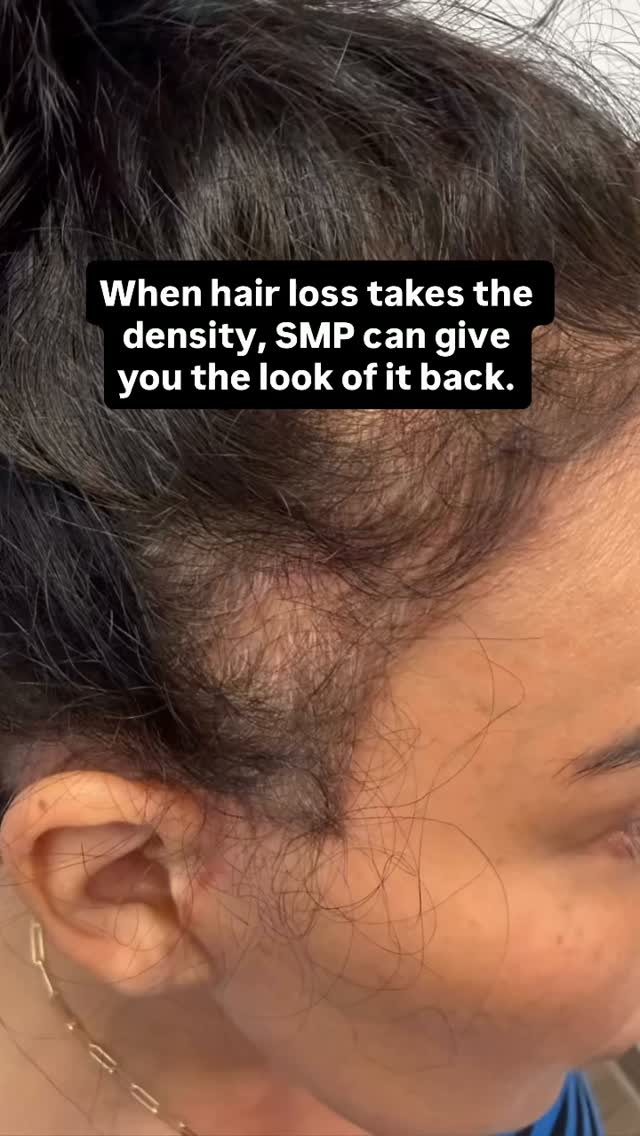
internationalhairlines Hair loss can change the way the scalp looks long before all the hair is gone. As density decreases, more of the scalp becomes visible, making certain areas look thinner and more pronounced. With SMP, the goal isn’t to create new hair. It’s to reduce that visible contrast by adding tiny, natural looking impressions between the existing hairs, helping the area appear fuller and more balanced. In this case, we focused on restoring the appearance of density through the affected areas while keeping the result soft and natural. Same hair. Same scalp. A completely different appearance. #smp #scalpmicropigmentation #hairloss #beforeandafter
Before density disappears completely, the scalp becomes more visible, and that visibility is exactly what SMP is built to address.
INTERNATIONAL HAIRLINES STAFFHow it works
Same as today. Nothing changes on Instagram.
We turn your post into a full story in your voice within the hour.
One click publishes it to internationalhairlines.com. Nothing goes live without you.
Your stories
Nothing was published anywhere. You decide that. Every word will come from your own posts, your own photos and your own treatments.
SMP explained · From your post
Before density disappears completely, the scalp becomes more visible, and that visibility is exactly what SMP is built to address.
“Hair loss can change the way the scalp looks long before all the hair is gone. As density decreases, more of the scalp becomes visible, making certain areas look thinner and more pronounced. With SMP, the goal isn’t to create new hair. It’s to reduce that visible contrast by adding tiny, natural looking impressions between the existing hairs, helping the area appear fuller and more balanced. In this case, we focused on restoring the appearance of density through the affected areas while keeping the result soft and natural. Same hair. Same scalp. A completely different appearance. #smp #scalpmicropigmentation #hairloss #beforeandafter”
Scalp Work · From your post
How subtle scalp micropigmentation can blend a scar into the surrounding hairline without ever looking obvious.
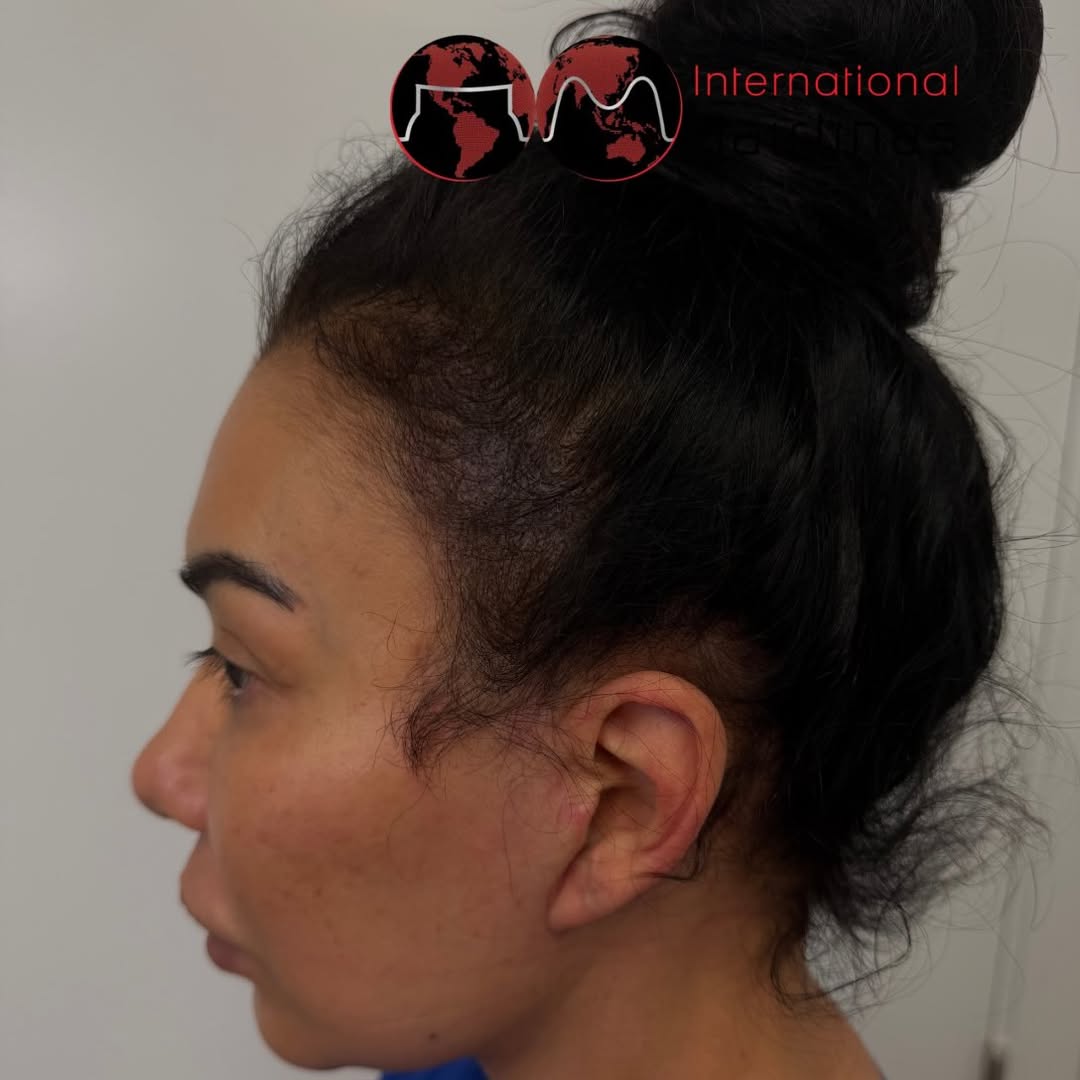
“The main focus here was camouflaging the facelift scar around the hairline and making it blend naturally into the surrounding skin and hair. We also added density through the area and the crown to make everything look fuller and more even. Clean, subtle work that makes a big difference without looking obvious. #smp #scalpmicropigmentation #hairloss #density”
Scalp Treatment · From your post
Scalp micropigmentation targets crown thinning by softening the contrast between scalp and hair, without touching the hairline.
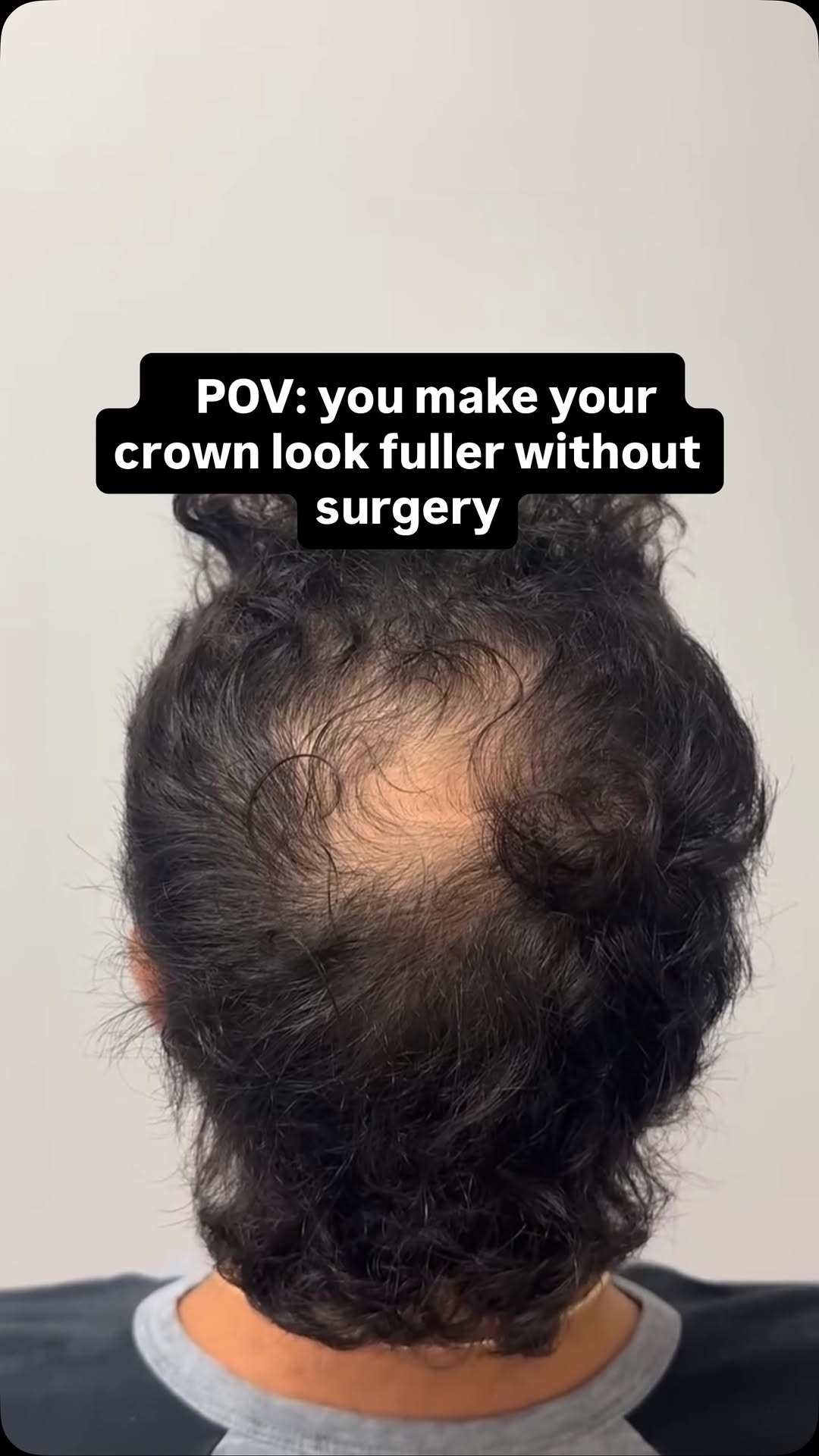
“If your crown is thinning, surgery isn’t the only option. SMP can create the appearance of more density by reducing the contrast between your scalp and your existing hair. The result is a fuller looking crown without changing your actual hairline. No transplant. Just a cleaner, denser look. #scalpmicropigmentation #smp #hairloss #thinninghair #hairdensity”
One social post becomes another searchable entry point to International Hairlines.
Our own magazine. Clicks and citations from Google Search Console, as of September 15, 2026.
Draft story for internationalhairlines.com · SMP explained
Before density disappears completely, the scalp becomes more visible, and that visibility is exactly what SMP is built to address.
Hair loss rarely announces itself all at once. Long before a section goes fully bare, the scalp starts showing through more than it used to, and areas that once looked full begin to look thin and uneven. That shift in visibility, not the total loss of hair, is often the first thing people notice and the part that changes how the whole head appears.
In this particular case, that was precisely the pattern we were looking at. The hair along the front and side was thinning unevenly, with more scalp becoming visible in specific areas while the surrounding hair remained. The goal wasn't to replace what was gone. It was to reduce the contrast between the thinning patches and the fuller hair around them.
Scalp micropigmentation doesn't add hair. It adds tiny, precise impressions to the scalp itself, placed between the existing strands so the space between them reads as less exposed. The effect isn't about covering skin completely, it's about narrowing the visual gap between where hair is dense and where it has thinned, so the whole area appears more even at a glance.
That distinction matters because density loss is a gradual, uneven process. Some areas hold on to more hair than others, which is why patchiness often looks more noticeable than total loss would. By working within that unevenness rather than trying to erase it, SMP can restore a sense of balance across the scalp without pretending the hair itself has changed.
In this case, the focus stayed on the affected areas specifically, rather than treating the whole scalp the same way. Keeping the pigmentation soft and natural meant working carefully around the existing hair, not over it, so the impressions blend into the pattern that's already there instead of sitting on top of it as something obviously separate or added.
That kind of restraint is deliberate. Overworking an area can make the result look flat or artificial, especially up close. The aim is for the density to read as believable at normal viewing distance, in normal light, which means matching the placement and softness of the pigmentation to how the surrounding hair actually falls and grows.
Nothing about the hair or the scalp underneath physically changes through this process. The strands are the same, the growth pattern is the same, and no new hair is generated. What changes is how the whole area reads visually once the contrast between thin and full sections has been softened, which is the entire premise behind why this approach works for early to moderate thinning.
That's the outcome worth paying attention to: not a transformation of what's biologically there, but a shift in how it presents. For someone watching density decline in real time, that difference, between visible scalp and visible fullness, can be the difference between noticing the change every day and not thinking about it at all.
Draft story for internationalhairlines.com · Scalp Work
How subtle scalp micropigmentation can blend a scar into the surrounding hairline without ever looking obvious.
A facelift scar along the hairline creates a particular kind of problem. The scar itself is only part of it. Hair tends to grow differently around scar tissue, light catches the skin differently there, and the hairline can end up looking uneven in a way that draws the eye even when nobody can quite say why. That was the starting point for this work.
The main focus was camouflaging that scar around the hairline and getting it to blend naturally into the surrounding skin and hair, rather than sit as a visible interruption. Camouflage work like this is less about hiding something and more about matching it, tone by tone, until the eye stops catching on the line where scar tissue meets normal scalp.
Once the scar itself was addressed, the next layer was density. We added pigment through the area and up into the crown, working to make everything look fuller and more even rather than treating the scar as an isolated spot. A hairline rarely thins in one clean patch, so treating only the scar and ignoring the surrounding density would have left an obvious contrast.
That combination, scar camouflage plus broader density work, is why the result reads as one continuous hairline instead of a repaired section next to untouched hair. The crown benefits from the same logic. Adding pigment there supports the overall impression of fullness, so the eye is not drawn upward to a thinning patch once the hairline itself starts looking more resolved and consistent.
Clean, subtle work that makes a big difference without looking obvious is the standard we work toward on cases like this. The goal is never to make scalp micropigmentation visible as a technique. The goal is for the hairline to look like it simply grew that way, dense and even, with no scar interrupting the line and no patchy transition between treated and untreated skin.
That restraint is deliberate. Overworking density or pushing pigment too dark can flip a natural looking correction into something that reads as obviously done. Keeping the tone matched to the surrounding hair and building density gradually is what lets the final result hold up under close inspection, in daylight, from the side, and with the hair pulled back away from the face.
Facelift scars along the hairline are a specific category of work because the surrounding tissue has already been altered once. Matching pigment to skin that has healed from surgery requires reading how that skin behaves differently than untouched scalp, then adjusting density and placement so the transition disappears rather than simply covering the mark with a flat block of color.
Cases like this are a reminder that scalp micropigmentation is also a tool for finishing work that surgery started, closing the gap between a scar and the hairline around it, and giving density back to a crown that reads thin next to a now fuller front. The result is quiet, subtle, and built to hold up, which is exactly the point of doing it this way.
Draft story for internationalhairlines.com · Scalp Treatment
Scalp micropigmentation targets crown thinning by softening the contrast between scalp and hair, without touching the hairline.
Crown thinning shows up differently than a receding hairline, and it often gets treated as a smaller problem than it actually is. The scalp becomes visible through existing hair long before the surrounding density changes, which is exactly the kind of thinning captured from behind: hair still present at the edges, a lighter patch opening up at the center of the head.
That contrast, between skin tone and hair color, is the actual thing being treated. It is not really about how much hair is missing in absolute terms. It is about how visible the scalp becomes against the hair that remains around it. Reduce that visual contrast and the whole crown reads as denser, even though nothing underneath has physically changed at all.
Scalp micropigmentation works on that principle directly. Fine deposits of pigment are placed across the thinning area to match the surrounding hair color, closing the visual gap between skin and strand. Seen up close, the crown in question shows exactly this pattern: a defined lighter zone surrounded by thick, wavy hair still doing most of the covering work.
Crown thinning tends to progress in a way that is easy to miss day to day, since a mirror check from the front rarely reveals it. It usually gets noticed through a photo taken from behind, in a barber's mirror, or by someone else pointing it out first. That delayed discovery is part of why crown density issues often go untreated for longer than a receding hairline does.
This is also why the fix does not require touching the hairline at all. The hairline in this case stays exactly where it already is. The work stays contained to the crown itself, rebuilding the appearance of density in the specific zone where it has thinned, rather than reshaping or redesigning the whole head of hair around it.
No transplant means no donor area, no grafts, and no surgical downtime to plan around. The approach instead works with what is already there: existing hair length, existing texture, existing pattern of growth across the scalp. The pigment is placed to blend into that pattern rather than override it, so the result still reads as natural scalp and hair instead of an obvious treatment.
The outcome is deliberately narrow in scope. A denser looking crown, a less visible contrast at the scalp, and a hairline that never once enters the conversation or shifts from where it started. For anyone whose thinning is concentrated at the top rather than the front, that distinction matters, since it treats the specific change that is actually visible instead of resetting the entire head.
Keep reading