What broken capillaries actually look like right after laser treatment
A close up look at the redness that shows up immediately after treating broken capillaries, and why it fades within the week.
HOLISTIC AESTHETICS STAFFTurn your social into search
We turn your posts into editorial stories that bring new search traffic to holisticaestheticsny.com. Three of yours will be on this page.
Book a demo
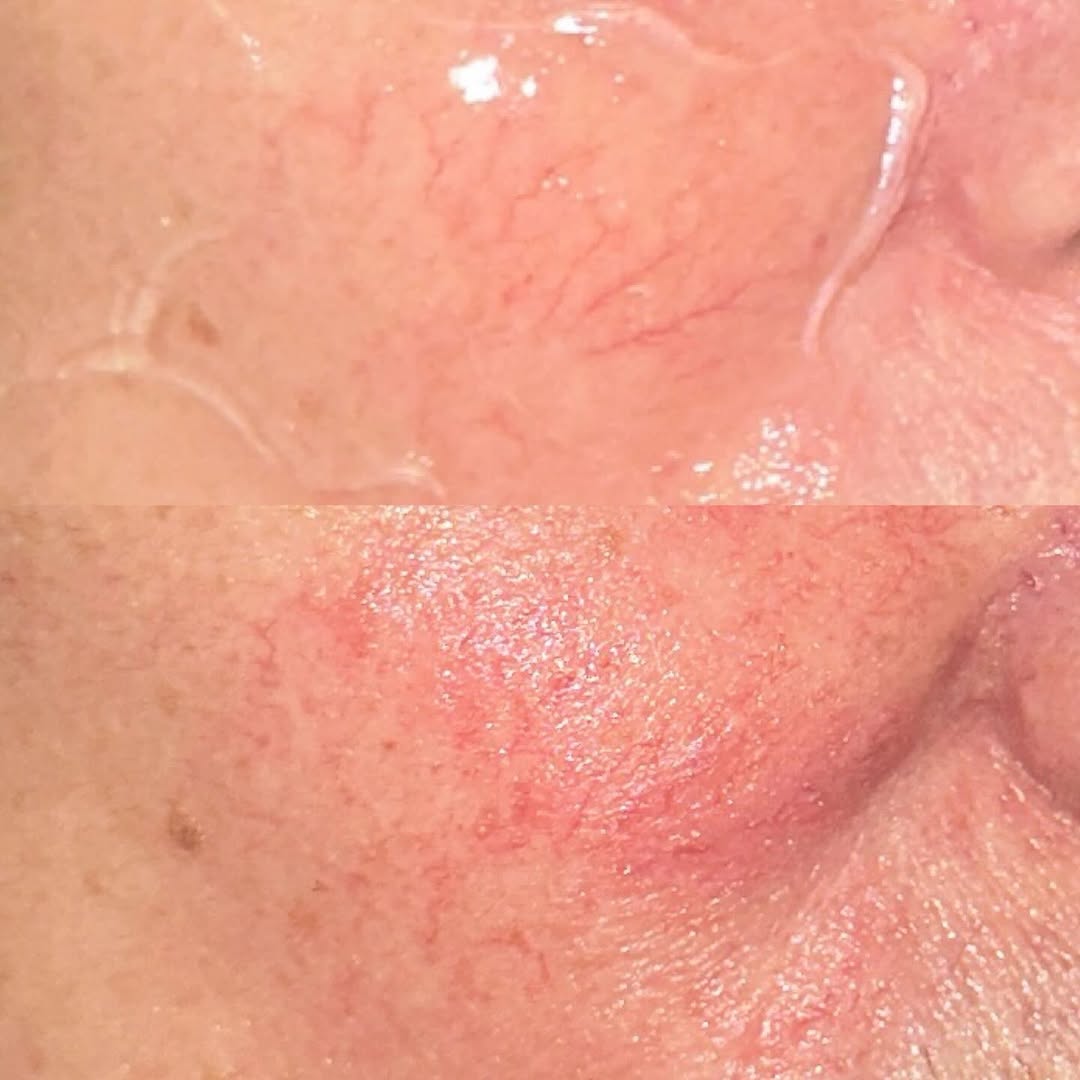
holistic.aestheticsny Immediately after broken capillary laser treatment. Redness will continue to reduce within one weeks
A close up look at the redness that shows up immediately after treating broken capillaries, and why it fades within the week.
HOLISTIC AESTHETICS STAFFHow it works
Same as today. Nothing changes on Instagram.
We turn your post into a full story in your voice within the hour.
One click publishes it to holisticaestheticsny.com. Nothing goes live without you.
Your stories
Nothing was published anywhere. You decide that. Every word will come from your own posts, your own photos and your own treatments.
Skin Notes · From your post
A close up look at the redness that shows up immediately after treating broken capillaries, and why it fades within the week.
“Immediately after broken capillary laser treatment. Redness will continue to reduce within one weeks”
From your post
From your post
One social post becomes another searchable entry point to Holistic Aesthetics.
Our own magazine. Clicks and citations from Google Search Console, as of September 15, 2026.
Draft story for holisticaestheticsny.com · Skin Notes
A close up look at the redness that shows up immediately after treating broken capillaries, and why it fades within the week.
The two close up views here were taken immediately after a broken capillary laser treatment, and they tell a more honest story than most before and after photos do. The skin is visibly flushed, the fine vessels are still prominent, and there is a wet sheen across the surface. This is not the final result. This is the middle of the process, captured on purpose.
We photograph this stage because it matters for anyone considering the treatment. Broken capillaries, those thin red lines that show up on the cheeks, around the nose, or near the jaw, do not disappear the moment the laser passes over them. There is a reaction first. The vessels darken and the surrounding skin reddens as the treatment does its work just beneath the surface.
In the top image, the fine branching vessels are sharply visible against lighter skin, almost map like in their detail. In the bottom image, taken from a slightly different angle, the redness sits broader and deeper, spreading around the treated area rather than staying confined to a single line. Both are normal responses immediately following treatment, not signs of irritation or a problem.
We tell every client the same thing right after this treatment: redness will continue to reduce within one week. That timeline is worth sitting with, because it sets realistic expectations. Nobody walks out of a broken capillary treatment with instantly clear skin. What they walk out with is a visible, temporary reaction that is doing the work the laser was designed to do, fading gradually rather than all at once.
Broken capillaries form when small blood vessels near the skin's surface become permanently dilated, often from sun exposure, temperature changes, or simple genetics. Laser treatment targets those specific vessels with heat, causing them to collapse and eventually get reabsorbed by the body. The redness seen right after treatment is the skin's immediate response to that targeted heat, not a side effect separate from the goal.
That is part of why we choose to show this stage rather than skip to a cleaner, more flattering result. Skin that has just been treated looks worked on. It looks like something happened. Understanding that this appearance is temporary, and that it resolves within about a week, helps set the right expectations before anyone sits down for the treatment themselves.
For someone weighing this treatment, the practical takeaway is patience measured in days, not weeks or months. The visible vessels calm down, the flush recedes, and the skin underneath settles into a more even tone. It is a short window between treatment and result, and these images capture the least photogenic part of that window on purpose, because it is the part people actually ask about.
What stays consistent across both images is the level of detail visible in the skin itself, right down to the fine texture and the individual vessels catching the light. That clarity is useful. It shows exactly what the treatment is responding to and exactly what changes once the redness fades, which is the part most people are actually hoping to see a week later.
Draft story for holisticaestheticsny.com
Draft story for holisticaestheticsny.com
Keep reading