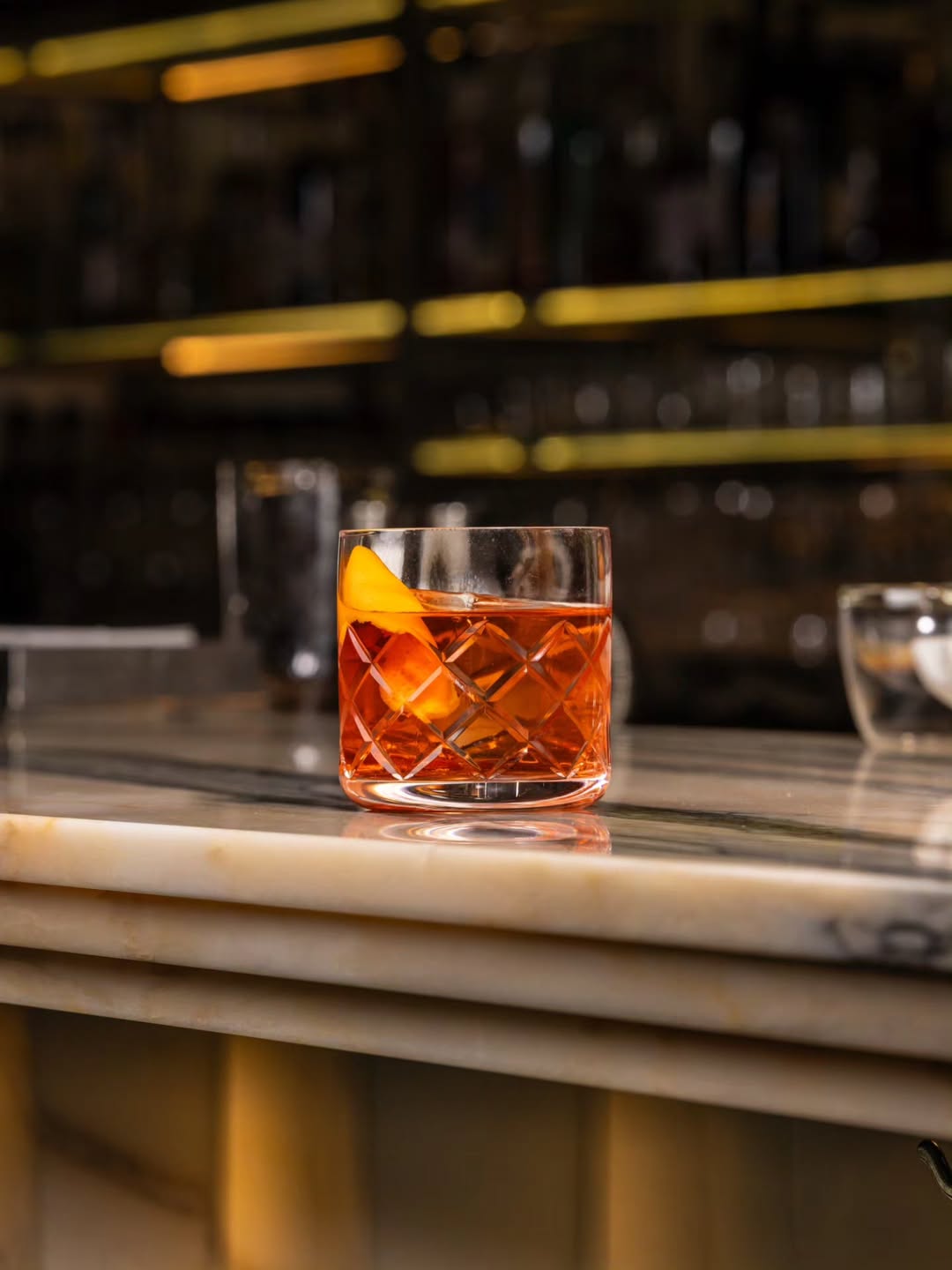
The mezzanine bar at Funke runs on negronis and walk ins
A cut crystal glass, a single orange twist, and a seat that does not require a reservation.
FUNKE STAFFTurn your social into search
We turn your posts into editorial stories that bring new search traffic to funkela.com. Three of yours will be on this page.
Book a demo
funke_la Classic for a reason. Join us at the mezzanine bar for a negroni and some pasta. Seats at the bar are availble for walk ins. Full menu available for your enjoyment.
A cut crystal glass, a single orange twist, and a seat that does not require a reservation.
FUNKE STAFFHow it works
Same as today. Nothing changes on Instagram.
We turn your post into a full story in your voice within the hour.
One click publishes it to funkela.com. Nothing goes live without you.
Your stories
Nothing was published anywhere. You decide that. Every word will come from your own posts, your own photos and your own menu.
Bar Seats · From your post
A cut crystal glass, a single orange twist, and a seat that does not require a reservation.
“Classic for a reason. Join us at the mezzanine bar for a negroni and some pasta. Seats at the bar are availble for walk ins. Full menu available for your enjoyment.”
On The Menu · From your post
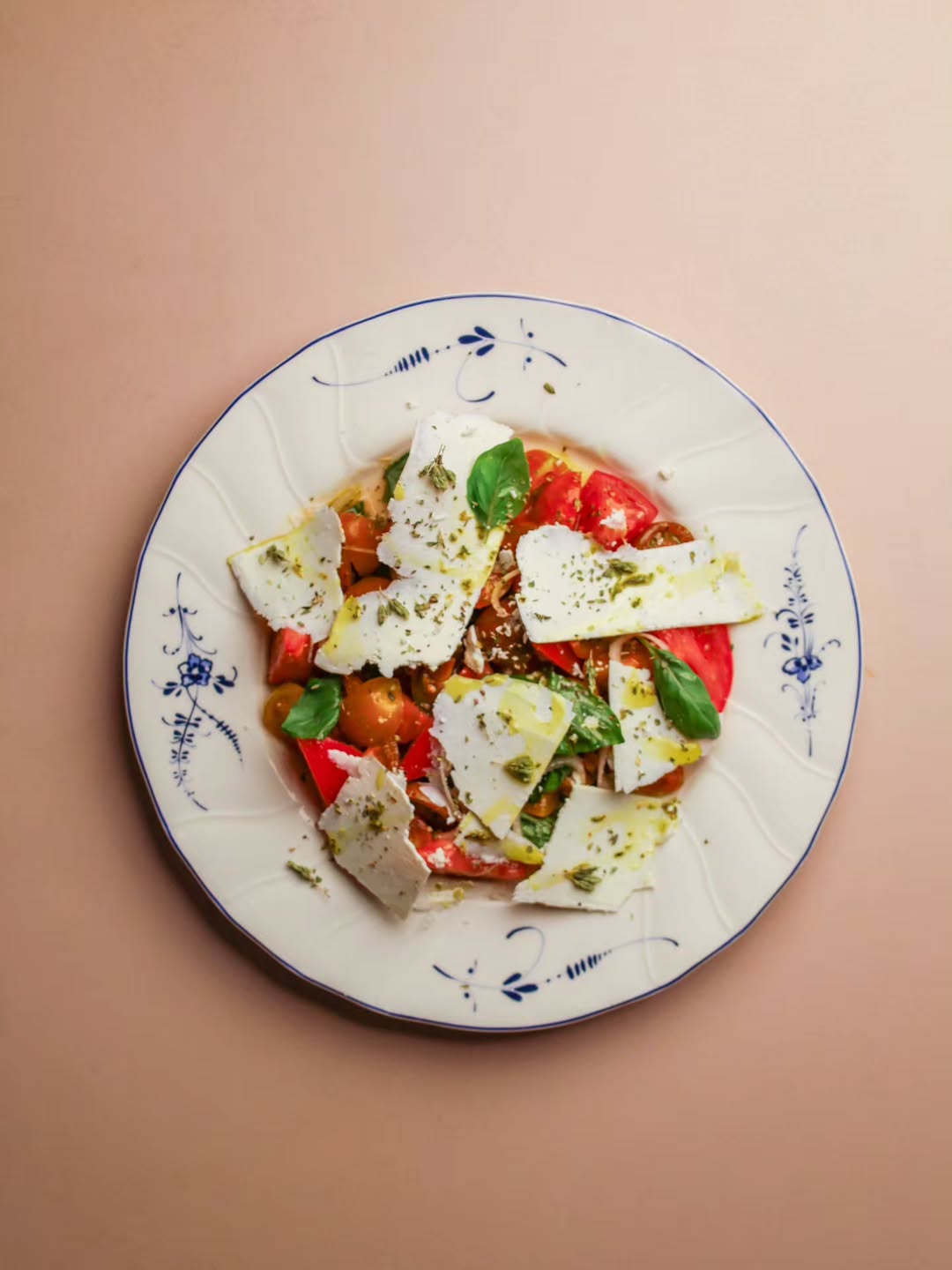
A grandmother style tomato salad built on ripe fruit, red onion, ricotta salata, and a lambrusco condiment keeps the season on the plate a little longer.
“Holding onto summer 》Insalata Della Nonna ▪︎ pomodori e pomodorini, cipolla rossa, ricotta salata, condimento lambrusco”
From your post
One social post becomes another searchable entry point to Funke.
Our own magazine. Clicks and citations from Google Search Console, as of September 15, 2026.
Draft story for funkela.com · Bar Seats
A cut crystal glass, a single orange twist, and a seat that does not require a reservation.
A negroni does not need updating. Ours arrives the way it should: cut crystal glass, a wide ice cube, and a single orange twist curled against the rim. The color alone tells you what you are getting, that deep amber red that comes from equal parts gin, vermouth, and Campari. It is a classic for a reason, and we are not interested in reinventing it.
The setting is the mezzanine bar, a level above the main dining room where the lighting runs low and the bottles behind the counter catch just enough gold to glow. It is a smaller room by design, built for the kind of night where a drink and a plate of pasta is the entire plan, not a warm up to something else.
Marble tops the bar itself, pale stone with grey veining that photographs well but is really just practical, easy to wipe down between rounds, cool to the touch when you rest a glass on it. It is the kind of surface that has seen a few thousand negronis and will see a few thousand more.
Seats at the bar are open to walk ins, which changes the calculus for a spontaneous night out. You do not need to plan a mezzanine bar visit a week in advance. You show up, find an open stool, and order a drink while you look over the menu, the way a bar is supposed to work.
That matters more than it sounds like it should. A full dining room can make a restaurant feel like it requires commitment, a reservation locked in, a plan set weeks out. The bar removes that friction. It is the same kitchen, the same pasta program, the same room, just accessed on a different set of terms.
The full menu is available at the bar, which means the negroni is not the whole night, it is the opener. Pasta is the natural pairing here, something built to be eaten slowly at a bar top rather than rushed through, and it holds its own against a drink that carries real bitterness and weight.
There is a rhythm to ordering this way, drink first, food arriving in its own time, another round if the night calls for it. Nobody is checking the clock. The bar seat gives you permission to stay as long as you want, which is really the whole appeal of a good bar in the first place.
None of this requires an occasion. A negroni and a plate of pasta at the mezzanine bar is a fine reason on its own, especially on a night when a full reservation feels like too much planning. The seats are there, the drink is consistent, and the kitchen is running the same menu it always does.
Draft story for funkela.com · On The Menu
A grandmother style tomato salad built on ripe fruit, red onion, ricotta salata, and a lambrusco condiment keeps the season on the plate a little longer.
Summer does not end on a calendar date in the kitchen. It ends when the tomatoes stop tasting like something worth building a dish around. Right now, they still do, and that is the entire premise behind Insalata Della Nonna, the salad we are holding onto for as long as the fruit lets us. It is not a farewell dish. It is a plate that says the season still has a little more to give.
The name translates simply: grandmother's salad. There is nothing complicated in that idea, and there should not be. Sliced tomatoes and halved cherry tomatoes sit together on the plate, red in different shades and different textures, some smooth from the knife and some torn open by hand. The point is not precision. The point is ripeness, arranged rather than engineered, the way it would be if someone's grandmother pulled the best of what she had off the vine that morning.
Red onion cuts through that sweetness the way it always has in dishes like this one. It is sliced thin enough to distribute through every bite without ever taking over, doing the job onion has done in tomato salads for generations: adding sharpness so the sweetness does not sit alone. On the plate, its pale rings show clearly between the red, a visual cue that something bright and a little sharp is mixed into every forkful.
Ricotta salata is pressed, salted, and firm enough to shave rather than crumble, and that is exactly how it lands here. Wide, pale sheets of it drape over the tomatoes in irregular pieces, catching the light differently than the fruit underneath. It reads as generous rather than delicate, more like something torn by hand than portioned with a scale, and it gives the whole plate a second texture once the tomatoes have already done their work.
Basil leaves are tucked in whole, not shredded, so they still look like something picked rather than processed. A few sit visibly on top of the cheese, a few are buried lower where the tomatoes have released their juice. That juice matters. It pools slightly at the base of the plate, mixing with the oil and the condiment, so the last bites are never as dry as the first ones. Nothing here is meant to be eaten too carefully.
The condimento lambrusco is the detail that separates this from a straightforward caprese. Instead of a plain vinegar, the dressing pulls from lambrusco, which brings a slightly sweeter, more rounded edge than a sharp red wine vinegar would. It is drizzled rather than tossed, visible in small glossy streaks across the cheese and tomatoes, so each bite carries a slightly different ratio of acid to fruit depending on where the fork lands.
There is also a dusting of oregano across the top, dark green flecks scattered over the white cheese and red fruit. It is a small addition, but it adds the last bit of dimension the dish needs, a slightly bitter, herbal note that keeps the sweetness of the tomatoes and the richness of the ricotta salata from feeling like too much of a good thing on their own.
We are calling this holding onto summer because that is what it feels like to make it right now, while the tomatoes are still worth building a plate around. It is not a dish designed to last through the fall. It depends entirely on fruit that is only good for a limited stretch, which is the whole reason to order it while that stretch is still going. Once the tomatoes change, the salad will change with them.
Draft story for funkela.com
Keep reading