Father's Office adds a salmon mi cuit that sits between raw and cooked
The Culver City menu welcomes a Scottish salmon dish built on horseradish creme fraiche, beet gastrique, and everything bagel flavors.
FATHER'S OFFICE STAFFTurn your social into search
We turn your posts into editorial stories that bring new search traffic to fathersoffice.com. Three of yours will be on this page.
Book a demo
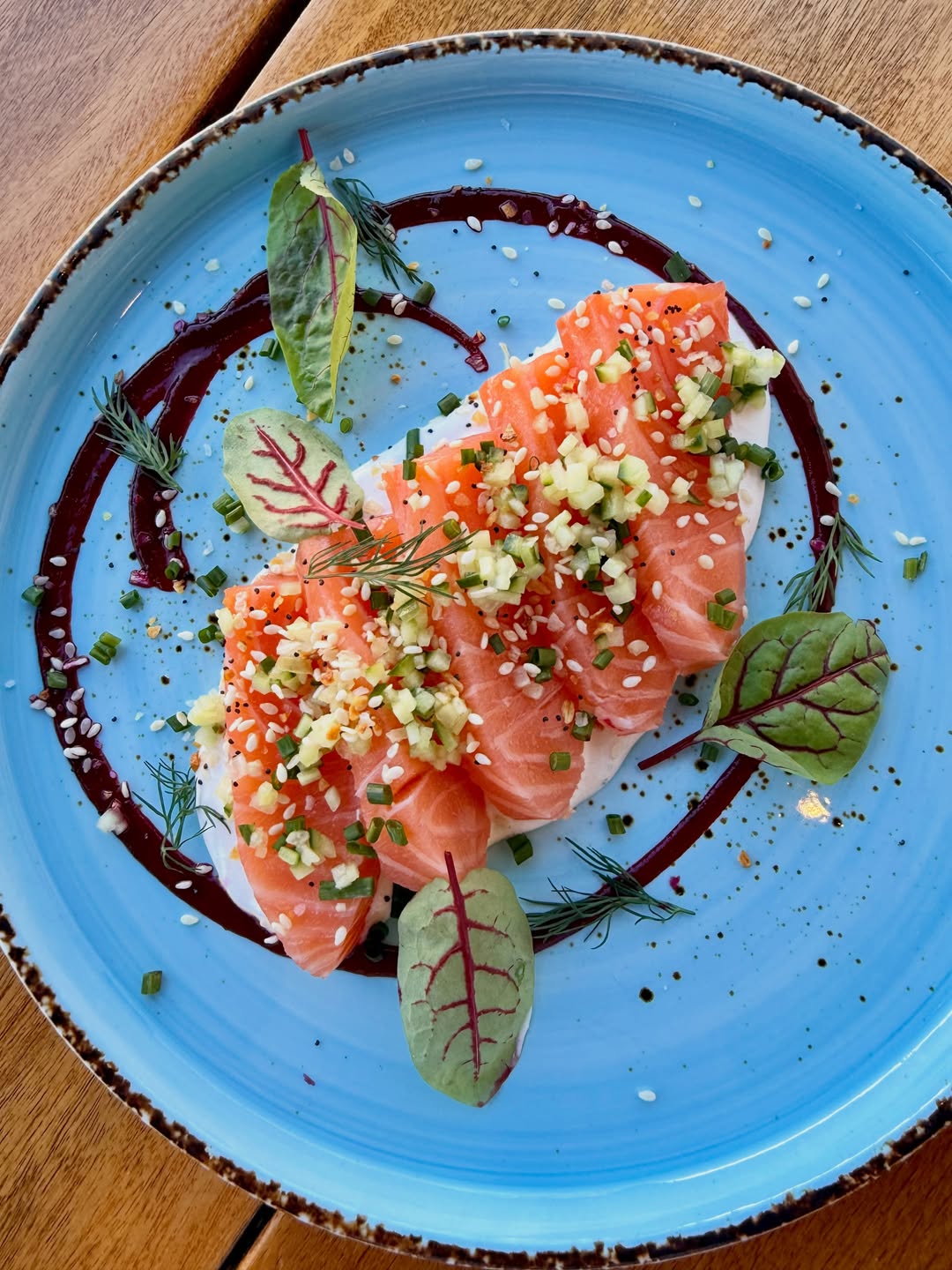
fathersofficeofficial New on the menu today in #culvercity Scottish Salmon Mi Cuit Horseradish Crème Fraiche, Beet Gastrique, Everything Bagel Flavors An unexpected luxurious texture somewhere between raw and cooked. Buttery, custard like.
The Culver City menu welcomes a Scottish salmon dish built on horseradish creme fraiche, beet gastrique, and everything bagel flavors.
FATHER'S OFFICE STAFFHow it works
Same as today. Nothing changes on Instagram.
We turn your post into a full story in your voice within the hour.
One click publishes it to fathersoffice.com. Nothing goes live without you.
Your stories
Nothing was published anywhere. You decide that. Every word will come from your own posts, your own photos and your own menu.
New on the Menu · From your post
The Culver City menu welcomes a Scottish salmon dish built on horseradish creme fraiche, beet gastrique, and everything bagel flavors.
“New on the menu today in #culvercity Scottish Salmon Mi Cuit Horseradish Crème Fraiche, Beet Gastrique, Everything Bagel Flavors An unexpected luxurious texture somewhere between raw and cooked. Buttery, custard like.”
On The Menu · From your post
Acorn fed jamon meets compressed Weiser Family Farms melon in a small plate built on contrast.
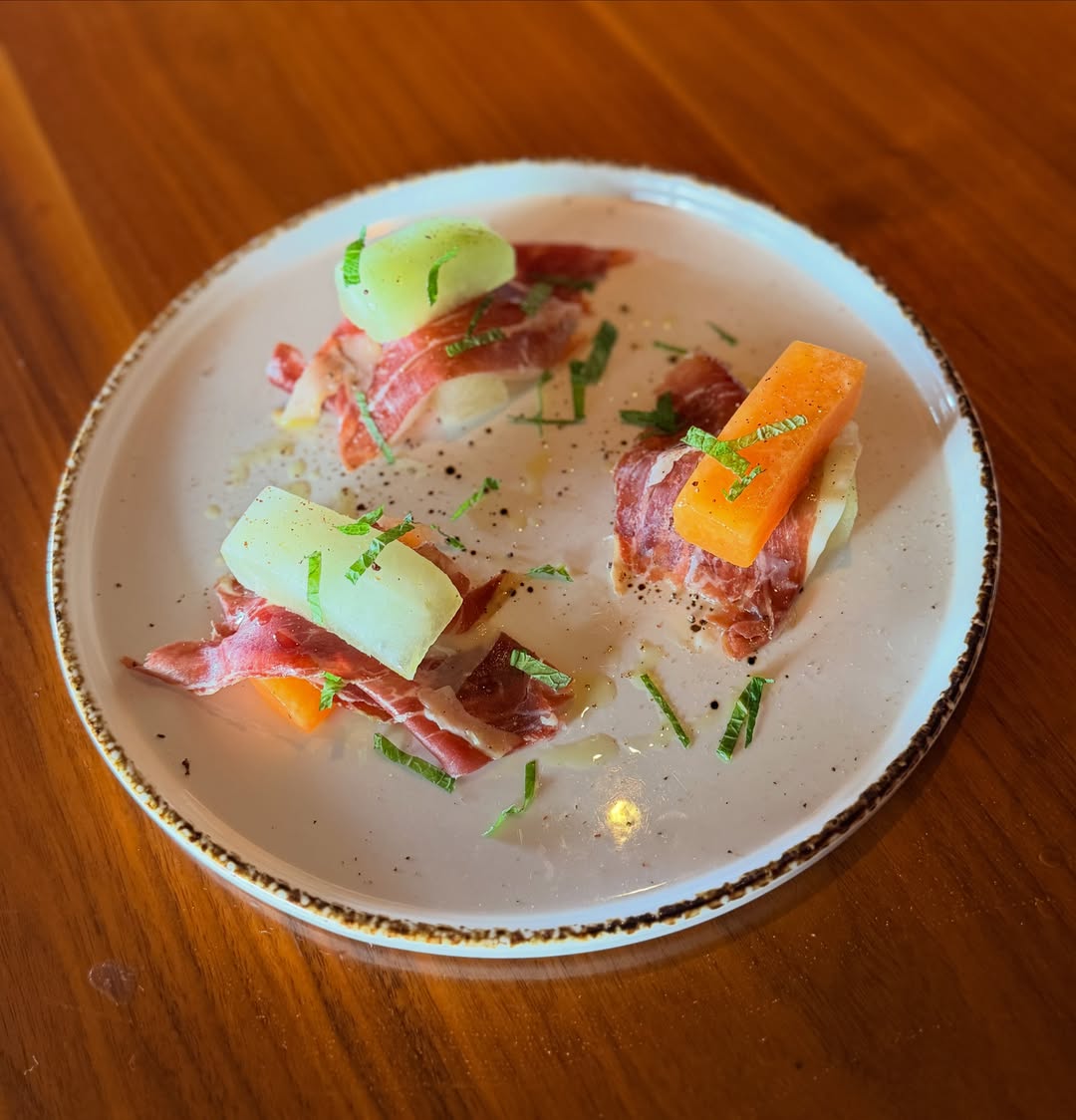
“Acorn fed Jamon Iberico de Bellota with the sweetest compressed @weiserfamilyfarms Toy Box Melons. Back on the menu.”
On The Menu · From your post
A summer plate built on ripe tomatoes, whipped feta, and a dehydrated olive crumble comes back to the menu.
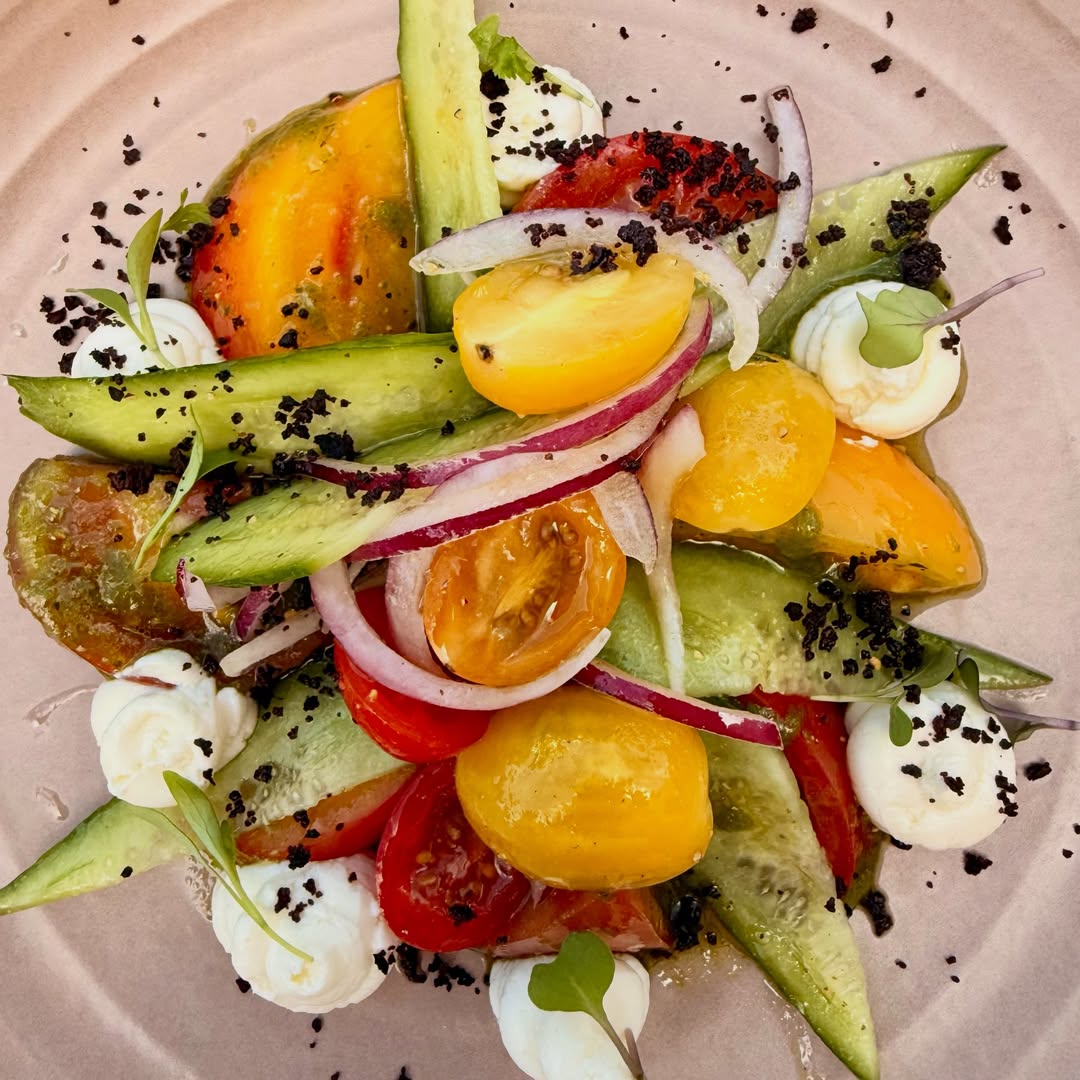
“Heirloom Tomato Salad with whipped feta, dehydrated olive crumble. Back on the menu at #culvercity #summer #fresh #tomato”
One social post becomes another searchable entry point to Father's Office.
Our own magazine. Clicks and citations from Google Search Console, as of September 15, 2026.
Draft story for fathersoffice.com · New on the Menu
The Culver City menu welcomes a Scottish salmon dish built on horseradish creme fraiche, beet gastrique, and everything bagel flavors.
Salmon mi cuit is not a technique most diners encounter often, and that is part of why it earns a spot on the Culver City menu. Mi cuit means half cooked, a gentle method that leaves the fish somewhere between raw and fully cooked. The result is not sushi grade rawness and not the firmer flake of a seared fillet. It is its own category, and the kitchen is calling it out directly rather than letting it hide.
On the plate, the Scottish salmon arrives sliced thin and fanned across a bed of horseradish creme fraiche, its coral pink color still vivid under a scatter of sesame seeds and finely diced cucumber or apple. Chives and dill are tucked in around the edges. A dark beet gastrique is piped in two loose spirals beneath the fish, more graphic than heavy handed, giving the blue plate a deliberate, almost drawn on pattern.
The description in our own words says it best: an unexpected luxurious texture, buttery and custard like. That is the entire pitch, and it is a texture forward one. Mi cuit relies on low, controlled heat rather than a hard sear or a raw preparation, so the fish keeps a silkiness that firmer cooking methods tend to erase. It is less about flavor shock and more about how the salmon actually feels on the tongue.
Horseradish creme fraiche does the heavy lifting on the savory side, bringing sharpness and a tang that cuts through the richness of the half cooked fish. Beet gastrique adds a sweet, acidic edge from the opposite direction, and its deep red color against the pale sauce and pink salmon gives the dish visual contrast as much as flavor contrast. Together they frame the fish rather than compete with it.
Everything bagel flavors show up here not as a bagel but as a seasoning idea, most visibly in the sesame seeds scattered across the fish and sauce. It is a familiar, breakfast table flavor memory applied to a dish that otherwise reads as refined and composition driven. That pairing, something nostalgic sitting next to something technical, is part of what makes the plate feel considered rather than arbitrary.
The herbs scattered around the plate, fresh dill, small leaves with deep red veining, and a scattering of chives, are not just decoration. They give the eye places to land between the richer elements, and they echo the freshness that the horseradish and citrus adjacent apple or cucumber bring to the dish. Every component seems chosen to keep the salmon from feeling one note despite its richness.
Dishes built around unfamiliar textures ask something of a diner that a straightforward preparation does not. Calling the texture out directly in how we describe it, buttery, custard like, unexpected, is an invitation to try something rather than a guess at what a raw or cooked fish might taste like. It sets expectations honestly, which matters more with a technique most people have not encountered on a menu before.
The dish is new to the Culver City menu, joining the rest of the current lineup rather than replacing anything specific that we have called out. For now, it stands as the newest example of how a familiar ingredient like salmon can be presented in a way that still surprises, not through unusual sourcing or a dramatic plating gesture, but through a cooking method that changes how the fish actually feels to eat.
Draft story for fathersoffice.com · On The Menu
Acorn fed jamon meets compressed Weiser Family Farms melon in a small plate built on contrast.
Three small compositions sit on one plate, each built the same way: a fold of dark cured ham, a cube or baton of pale green or orange melon, a scatter of herb cut into thin ribbons, and a few flecks of black pepper across the white surface. Nothing about the arrangement is fussy. It reads as a dish built around two ingredients that are strong enough to not need much else around them.
The ham is acorn fed Jamon Iberico de Bellota, draped rather than stacked, its edges curling slightly where it meets the air. Cured meat like this is judged on marbling and how it behaves at room temperature, and here it lies loose and slightly translucent at the thinnest points, which is usually a sign it was sliced close to service rather than sitting out.
The melon comes from Weiser Family Farms, specifically the Toy Box variety, which explains the two colors on the plate: a pale green cube and a deeper orange baton, both cut into neat rectangular shapes rather than left round. Toy Box melons are known for coming in small individual fruits, which makes portioning them into clean, bite sized pieces fairly natural rather than something that requires much extra work.
Compressing melon is a specific technique, usually done under vacuum, that forces air out of the fruit and pulls in whatever liquid or seasoning it is paired with. The result is a piece of melon that is denser than raw fruit, slightly more translucent, and carries more concentrated sweetness in a smaller bite. That density is visible here in how solid and squared off each piece looks against the looser folds of ham.
Pairing cured pork with melon is not a new idea, but the reasoning behind it is simple enough to be worth restating. Salt cured meat brings fat and concentrated savoriness, melon brings sweetness and water content, and the two balance each other so that neither dominates the bite. Here that balance gets an extra layer from the compression, since the melon is doing more work per bite than a plain slice would.
The herb scattered across the plate is cut fine enough to function as seasoning rather than garnish, and it is distributed unevenly on purpose, landing more heavily near some pieces than others. Combined with the visible pepper and a light sheen across the plate that suggests a small amount of oil or the melon's own released liquid, the dish reads as something dressed at the very last moment before it left the kitchen.
We describe this one simply on the menu copy itself: acorn fed Jamon Iberico de Bellota with the sweetest compressed Toy Box Melons, back on the menu. That phrasing matters. Calling it a return means this is not a new addition being introduced for the first time, but something that had been offered before, left, and has now come back, which is worth noting for anyone who remembers ordering it previously.
For a dish this small, most of the interest is in the two named ingredients and the decision to compress rather than simply slice the fruit. There is no long list of components to track, no elaborate plating logic to decode. It is a study in what a good piece of ham and a well handled melon can do for each other on a single small plate, three times over.
Draft story for fathersoffice.com · On The Menu
A summer plate built on ripe tomatoes, whipped feta, and a dehydrated olive crumble comes back to the menu.
Heirloom tomatoes only make sense for part of the year, and that window is exactly why this salad disappears and reappears on our menu instead of staying put permanently. Right now it is back at Father's Office in Culver City, built around a mix of yellow and red heirlooms that carry different sugar levels and different amounts of acid depending on which one lands on the fork.
The plate itself does a lot of the talking. Halved cherry sized tomatoes in red and gold sit against long ribbons of what looks like shaved cucumber or squash, curled red onion, and small dollops of fresh mozzarella or whipped feta piped in soft rounds. Microgreens are scattered on top, and a fine dark crumble is dusted across the entire dish.
That dark crumble is the dehydrated olive garnish named directly in the dish description, and it changes how the salad reads on first bite. Instead of whole olives sitting heavy in the mix, the flavor arrives as a dry, almost powdery seasoning, closer to a finishing dust than a topping. It clings to the tomato juice and the dressing rather than competing with either one.
Whipped feta is doing different work than a crumbled version would. Crumbled feta breaks into distinct bites, salty and separate from everything around it. Whipped, it turns creamy and spreadable, closer to a base than a garnish. It coats the tomato instead of sitting next to it, which softens the acidity of the fruit and gives the whole plate a rounder, less sharp finish.
Texture is really the throughline of this dish. There is the snap of raw onion, the give of ripe tomato, the smoothness of whipped feta, and the dry crunch of the olive crumble, all in the same forkful if you build the bite right. Nothing here is cooked down or softened past recognition. Everything on the plate still reads as exactly what it is.
Heirloom tomatoes are not a year round ingredient, which is part of why this salad has a habit of leaving and returning rather than staying fixed in one place on the menu. When the tomatoes are right, the dish works with very little else asked of it. When they are not, there is no substitute that gets the same result, so the salad simply waits.
That kind of seasonal patience is easy to state and harder to actually practice at a restaurant with a full menu running every night. It means accepting a gap where a dish is simply unavailable rather than filling that space with a version that does not hold up. Right now, with tomatoes at their peak, that patience is what makes the current version worth ordering.
There is not much ceremony to this salad, and it does not need any. It is a warm weather dish meant to be eaten while the tomatoes are still cool from the kitchen and the crumble is still dry enough to have texture. Order it early in the meal, before the plate loses its temperature contrast, and the whole thing makes more sense on the fork.
Keep reading