The quiet signs your skin shows before a breakout happens
Rough texture, enlarged pores, and jawline tenderness are early warnings worth paying attention to.
FACE FIRST SKIN CARE STAFFTurn your social into search
We turn your posts into editorial stories that bring new search traffic to facefirstskincarela.com. Three of yours will be on this page.
Book a demo
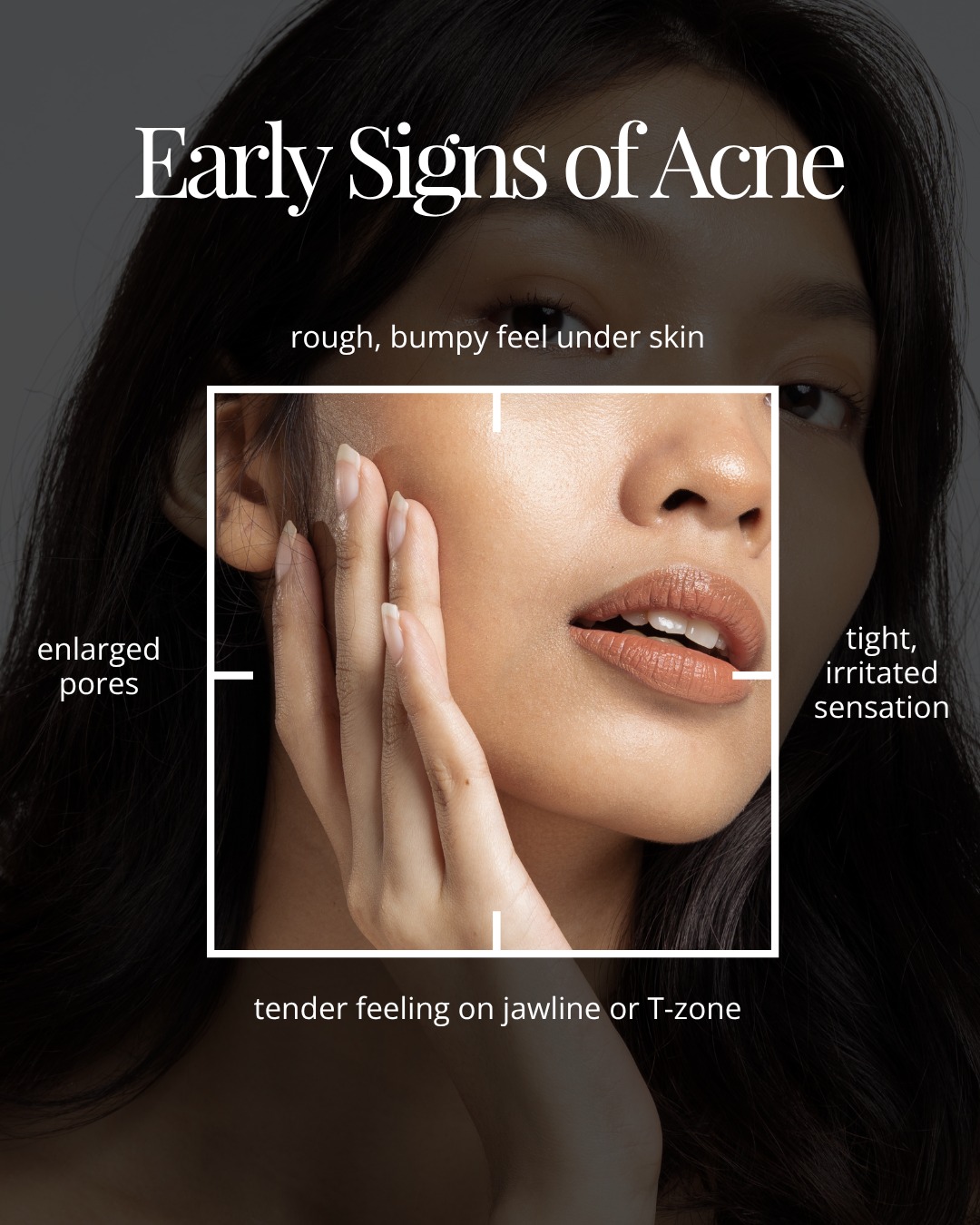
facefirstskincare Early Signs of Acne Notice these early signs of acne? Rough, bumpy skin, enlarged pores, tenderness around the jawline or T zone, and tight, irritated sensations are your skin’s way of asking for help.// Addressing these signs early can prevent bigger breakouts down the line. Listen to your skin. it’s worth it.
Rough texture, enlarged pores, and jawline tenderness are early warnings worth paying attention to.
FACE FIRST SKIN CARE STAFFHow it works
Same as today. Nothing changes on Instagram.
We turn your post into a full story in your voice within the hour.
One click publishes it to facefirstskincarela.com. Nothing goes live without you.
Your stories
Nothing was published anywhere. You decide that. Every word will come from your own posts, your own photos and your own treatments.
Skin Signals · From your post
Rough texture, enlarged pores, and jawline tenderness are early warnings worth paying attention to.
“Early Signs of Acne Notice these early signs of acne? Rough, bumpy skin, enlarged pores, tenderness around the jawline or T zone, and tight, irritated sensations are your skin’s way of asking for help.// Addressing these signs early can prevent bigger breakouts down the line. Listen to your skin. it’s worth it.”
Skin Tip · From your post
A simple storage switch turns a basic mist into a calmer, more effective step in your skin routine.
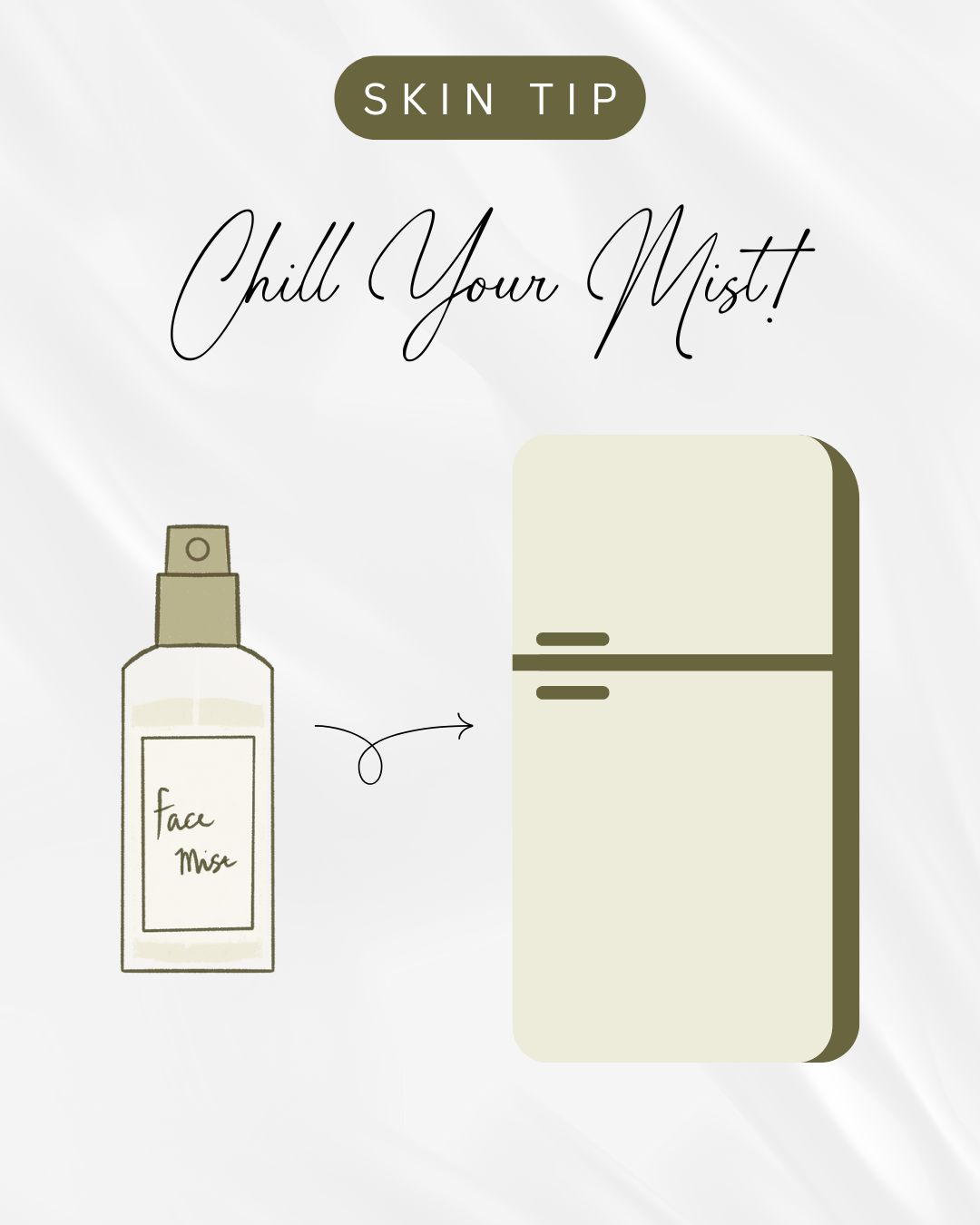
“Stashing your facial mist in the fridge isn’t just a luxury. it’s a smart skincare move. Cooler temps help reduce puffiness, calm inflammation, and keep your product fresh longer.//Perfect for post sun, post shower, or anytime your skin needs a refreshing reset.”
Skin Science · From your post
A closer look at the science behind exosomes and why we consider them essential to lasting skin results.
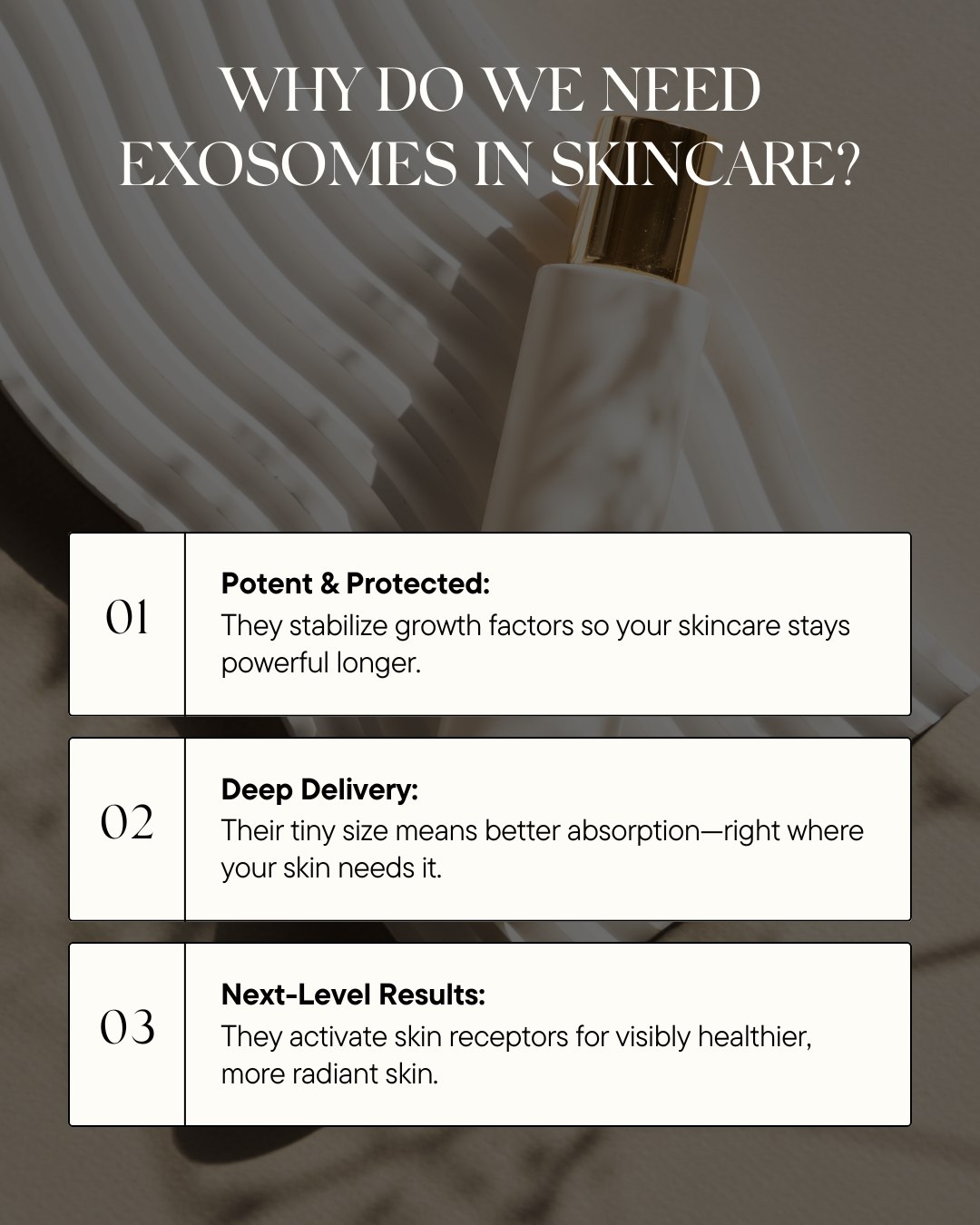
“Why do we need exosomes in skincare?//They protect and stabilize growth factors for lasting potency, deliver key ingredients deep into the skin, and activate receptors to boost visible results.//Think of them as your skin’s secret weapon for a healthier, radiant glow.”
One social post becomes another searchable entry point to Face First Skin Care.
Our own magazine. Clicks and citations from Google Search Console, as of September 15, 2026.
Draft story for facefirstskincarela.com · Skin Signals
Rough texture, enlarged pores, and jawline tenderness are early warnings worth paying attention to.
Most breakouts do not arrive without warning. Before a blemish is visible, skin tends to speak in smaller, quieter signals. A rough or bumpy feel under the surface, pores that suddenly seem more noticeable, or a tight, irritated sensation across the cheeks are all part of that early conversation, and they are worth paying attention to before they turn into something bigger.
We think of these signs as a kind of early warning system. Skin rarely goes from clear to breaking out overnight. There is usually a stretch of time where something feels slightly off first, even if nothing looks dramatic yet. Recognizing that window is the difference between a quick correction and a longer, more frustrating breakout cycle later on.
Tenderness along the jawline or through the T zone is one of the more common early indicators. These areas hold more oil producing activity than the rest of the face, which makes them more likely to react first. A tender feeling in either zone is not something to push through or ignore. It is information, and it usually shows up before anything is visible on the surface.
Enlarged pores and a tight, irritated sensation often appear together. The skin can feel stretched or reactive to the touch, even without redness or a visible bump. That combination, texture change plus tightness, is frequently the earliest physical cue that something under the surface is building. Catching it here means addressing the cause instead of waiting to treat a fully formed breakout.
Addressing these signs early does more than calm the skin in the moment. It interrupts the pattern before congestion has a chance to fully develop into a breakout. Waiting until a blemish is visible often means treating something that has already progressed, which typically takes longer to resolve and can leave more behind than if it had been caught at the rough, bumpy stage.
This is why we encourage paying attention to how skin feels, not only how it looks. A mirror will not always show what fingertips can feel first. Rough texture under the surface, subtle tightness, or a jawline that feels more sensitive than usual are physical cues that deserve the same attention as anything visible, because they are often the more honest signal.
Skin communicates constantly, but it is easy to overlook the early messages when nothing looks wrong yet. Learning to notice tenderness, texture changes, or a tight, irritated feeling is less about vigilance and more about familiarity, knowing what your own skin typically feels like so that a shift stands out clearly instead of getting dismissed.
None of these signs require alarm. They require attention. Rough patches, enlarged pores, jawline tenderness, and tight irritation are simply your skin asking for a response before a breakout fully forms. Listening at this stage, rather than waiting for something visible, is often the simplest and most effective way to keep smaller issues from becoming bigger ones.
Draft story for facefirstskincarela.com · Skin Tip
A simple storage switch turns a basic mist into a calmer, more effective step in your skin routine.
There is a small illustration we keep coming back to: a bottle labeled face mist with an arrow pointing straight into a refrigerator. It looks almost too simple to be a real tip, which is exactly why it works. Moving your mist from the bathroom shelf to the fridge door is one of those changes that costs nothing and asks nothing of you except remembering where you put the bottle.
Cooler temperatures change how a mist feels on contact, and that change is not just sensory. A chilled mist can help reduce puffiness and calm inflammation the moment it lands on skin, which matters more than people assume. Skin that is warm, irritated, or reactive responds differently to cold than it does to room temperature product, and that difference is the entire reason this small habit is worth adopting.
There is also a practical shelf life argument here. Cooler storage helps keep a mist fresh for longer, which is a detail that gets overlooked in favor of talking about ingredients or scent. A product sitting in a warm bathroom is exposed to heat and humidity every single day, and that environment is not doing the formula any favors, even when nothing looks visibly different.
We think about this tip less as a rule and more as a response to specific moments. Post sun is one of the clearest examples, when skin is warm and slightly overstimulated and wants something calming rather than another layer of product. A cold mist in that moment is not decorative. It is doing real work, pulling heat away from the surface of the skin and offering immediate relief.
Post shower is another obvious use case, especially when skin still feels flushed from hot water. Reaching for a chilled mist right after stepping out gives your routine a natural pause point, a moment where you are not applying something heavy but still doing something intentional. It bridges the gap between finishing a shower and starting the rest of your routine without adding extra steps.
Then there is the catch all case, which might be the most useful one: anytime skin needs a reset. Midday heat, a long stretch at a desk, a stretch of stress, none of these require a full routine change. A cold mist takes seconds to apply and gives skin an immediate signal that something calming has arrived, without asking you to layer on more product than you actually need.
What we like about this tip is that it does not depend on switching products or spending more money. It is a temperature change applied to something you likely already own. That accessibility is part of what makes it worth sharing, because it treats good skin habits as something built from small consistent choices rather than constant purchasing.
So if your mist has been living on a bathroom shelf or tucked in a drawer, consider giving it a spot in the refrigerator instead. It takes up little space, and the payoff shows up the next time your skin feels warm, tight, or simply in need of a reset. Sometimes the most useful change in a routine is not a new product, just a colder one.
Draft story for facefirstskincarela.com · Skin Science
A closer look at the science behind exosomes and why we consider them essential to lasting skin results.
A slim marble tipped bottle sits at the center of a question we get asked often at our studio: why do exosomes matter in skincare at all. The answer is not about hype or trend. It comes down to what happens at a cellular level once a product touches skin, and whether that product can actually hold onto its power long enough to do something useful.
Growth factors are only as good as their stability. Left unprotected, they break down before they ever get the chance to work. Exosomes act as a kind of shield, protecting and stabilizing those growth factors so their potency lasts. That stability is the difference between a product that sounds promising and one that performs the way it should once it is on your skin.
Potency only matters if delivery follows through. Exosomes are small enough to move past the surface barrier that stops many topical ingredients from going anywhere useful. That size advantage lets key ingredients travel deeper into the skin rather than sitting on top of it, reaching the layers where change actually happens instead of evaporating off the surface within minutes.
This is the part of skincare that is easy to overlook because it is invisible. Two products can share nearly identical ingredient lists and still perform completely differently based on how well those ingredients are delivered. Exosomes give formulas a functional advantage here, working less like a coating and more like a courier system built to reach the right destination.
The third piece is activation. Exosomes work by engaging skin receptors directly, essentially communicating with the skin rather than just applying something to it. That signaling is what drives visible results over time, prompting skin to respond and repair in ways a purely surface level product cannot trigger on its own.
It is a shift from treating skin passively to working with its own biology. Rather than masking dullness or dehydration temporarily, this approach aims at the mechanisms already present in the skin and encourages them to function more efficiently. The outcome, over time, is skin that looks measurably healthier rather than simply appearing that way for a few hours.
Put those three functions together and you get a clearer picture of why exosomes have become part of the conversation in modern skincare. Protection keeps potency intact, delivery gets ingredients where they belong, and activation turns that presence into visible change. Each piece depends on the other, which is why the combination matters more than any single ingredient claim alone.
We think of exosomes less as a trend ingredient and more as infrastructure, the quiet mechanism that determines whether everything else in a formula actually gets to do its job. A healthier, more radiant glow is not just about what goes into a bottle. It is about whether that bottle can deliver on its promise once it reaches your skin.
Keep reading