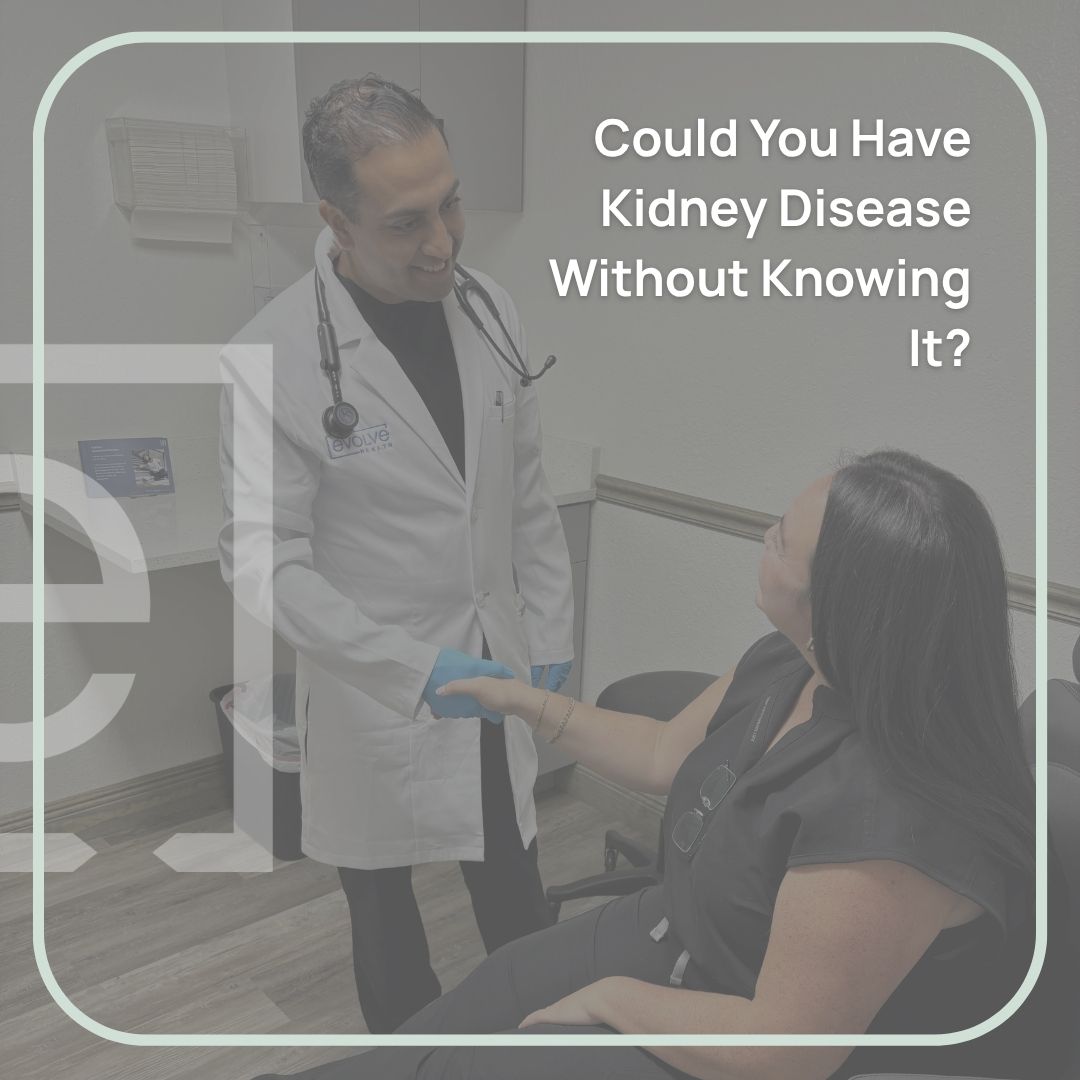
Could you have kidney disease without knowing it
Chronic kidney disease often shows no symptoms early on, which is exactly why screening matters more than waiting to feel something wrong.
EVOLVE HEALTH STAFFTurn your social into search
We turn your posts into editorial stories that bring new search traffic to healthevolves.com. Three of yours will be on this page.
Book a demo
health.evolves The answer might surprise you. In its early stages, chronic kidney disease (CKD) often has no noticeable symptoms, which is why routine screenings and regular checkups are so important, especially if you have diabetes, high blood pressure, or a family history of kidney disease. As kidney function declines, you may begin to notice. • Swelling in your feet, ankles, or hands • Fatigue or low energy • Changes in urination • Difficulty concentrating • High blood pressure that's hard to control The good news? Early detection can help slow the progression of kidney disease and protect your long term health. If you're at risk or have concerns about your kidney health, don't wait for symptoms to appear. Schedule an appointment with our nephrology team and take the first step toward protecting your kidneys. #KidneyHealth #ChronicKidneyDisease #CKDAwareness #Nephrology #PreventiveCare #HealthyKidneys #EvolveHealth
Chronic kidney disease often shows no symptoms early on, which is exactly why screening matters more than waiting to feel something wrong.
EVOLVE HEALTH STAFFHow it works
Same as today. Nothing changes on Instagram.
We turn your post into a full story in your voice within the hour.
One click publishes it to healthevolves.com. Nothing goes live without you.
Your stories
Nothing was published anywhere. You decide that. Every word will come from your own posts, your own photos and your own treatments.
Kidney Health · From your post
Chronic kidney disease often shows no symptoms early on, which is exactly why screening matters more than waiting to feel something wrong.
“The answer might surprise you. In its early stages, chronic kidney disease (CKD) often has no noticeable symptoms, which is why routine screenings and regular checkups are so important, especially if you have diabetes, high blood pressure, or a family history of kidney disease. As kidney function declines, you may begin to notice. • Swelling in your feet, ankles, or hands • Fatigue or low energy • Changes in urination • Difficulty concentrating • High blood pressure that's hard to control The good news? Early detection can help slow the progression of kidney disease and protect your long term health. If you're at risk or have concerns about your kidney health, don't wait for symptoms to appear. Schedule an appointment with our nephrology team and take the first step toward protecting your kidneys. #KidneyHealth #ChronicKidneyDisease #CKDAwareness #Nephrology #PreventiveCare #HealthyKidneys #EvolveHealth”
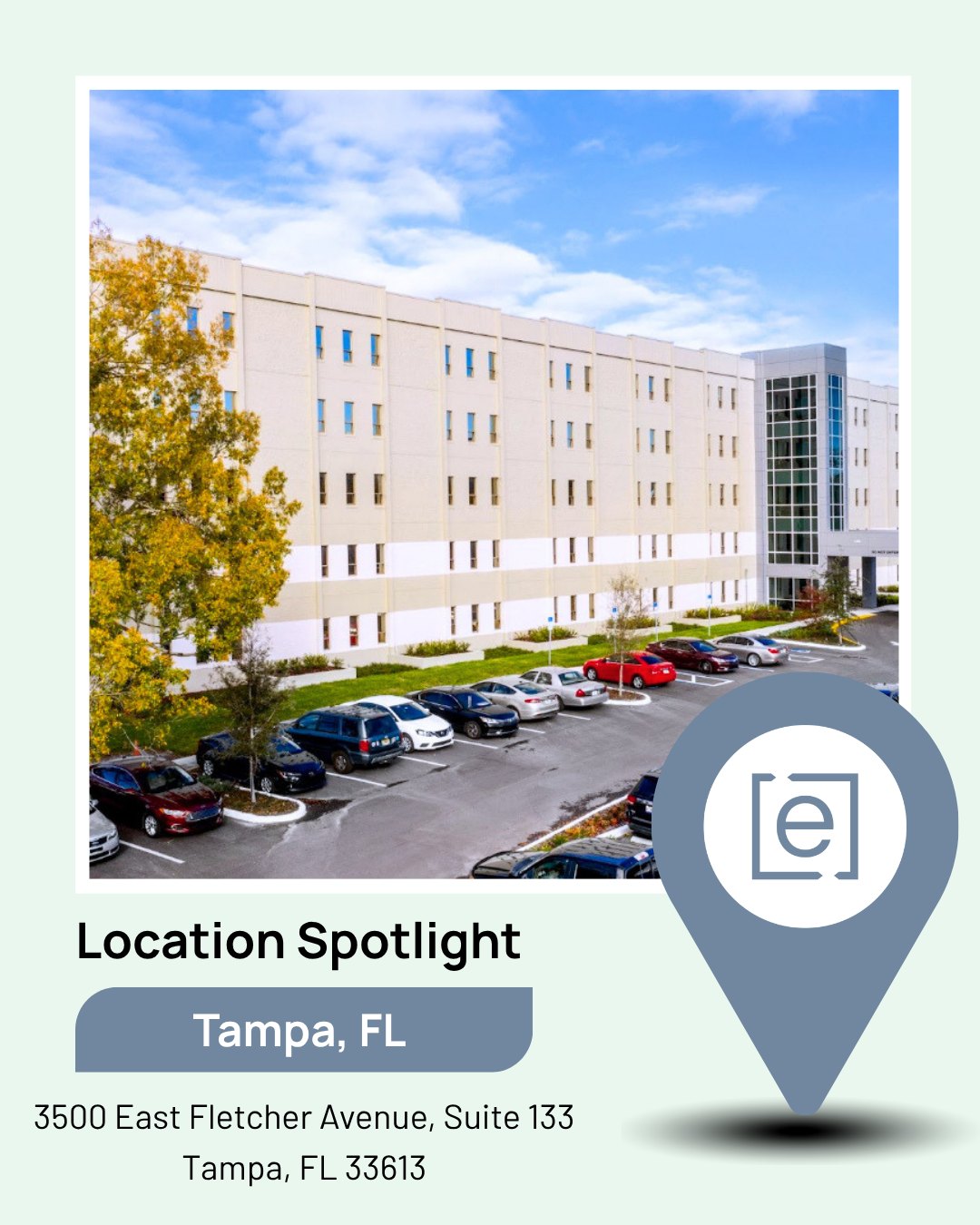
Location Spotlight · From your post
A new office on East Fletcher Avenue brings personalized foot and ankle treatment to the USF and Temple Terrace corridor.
“Expert foot and ankle care is right here in Tampa. University Area! 🌴 Whether you're walking across the USF campus, staying active around Temple Terrace, or enjoying everything North Tampa has to offer, healthy feet make all the difference. Our University Tampa team provides personalized care for heel pain, plantar fasciitis, diabetic foot conditions, sports injuries, bunions, ingrown toenails, and more. With experienced providers, advanced treatment options, and same day or next day appointments available, we're here to help you get back on your feet and back to doing what you love. 📍3500 E. Fletcher Avenue, Suite 133, Tampa, FL 33613 Call our office. (813) 971 5500”
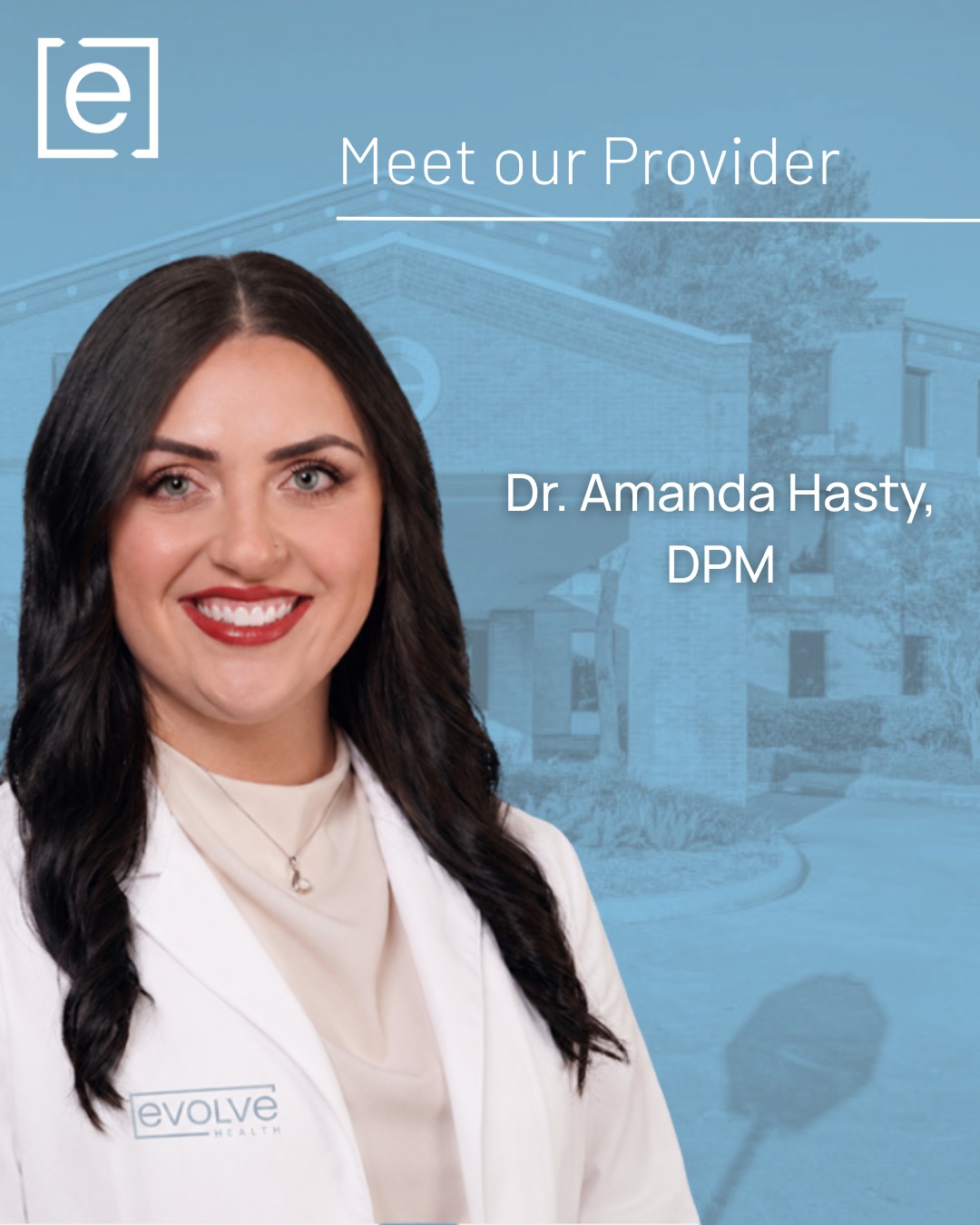
Provider Spotlight · From your post
The podiatrist is now seeing patients in Brooksville and Port Richey as part of a growing clinical team.
“Please join us in welcoming Dr. Amanda Hasty to Evolve Health! 👣 Dr. Hasty brings her expertise in foot and ankle care to our growing team, with a focus on helping patients get back on their feet and doing what they love. She is now seeing patients in Brooksville & Port Richey. We’re excited to have you on the team, Dr. Hasty! 👏 #EvolveHealth #ProviderSpotlight #WelcomeToTheTeam #FootAndAnkleCare #Podiatry”
One social post becomes another searchable entry point to Evolve Health.
Our own magazine. Clicks and citations from Google Search Console, as of September 15, 2026.
Draft story for healthevolves.com · Kidney Health
Chronic kidney disease often shows no symptoms early on, which is exactly why screening matters more than waiting to feel something wrong.
Most people assume a serious kidney problem would announce itself. It usually does not. In its early stages, chronic kidney disease, often shortened to CKD, tends to develop quietly, with no pain and no obvious warning sign. That silence is precisely what makes it dangerous, and it is the reason we lean so heavily on routine screenings and regular checkups rather than waiting for a patient to tell us something feels off.
This matters most for a specific group of people. If you have diabetes, high blood pressure, or a family history of kidney disease, your risk is meaningfully higher, and your kidneys deserve more attention than a once a year mention at a physical. Routine bloodwork and checkups give us a way to catch declining kidney function long before it becomes something the body cannot hide anymore.
Once kidney function starts to slip, the body does eventually speak up, though the signals are easy to dismiss as something else entirely. Swelling in the feet, ankles, or hands is one of the more visible changes, often showing up before someone thinks to connect it to their kidneys at all. Fatigue and low energy tend to follow, quietly enough that many people chalk it up to a busy stretch of life.
Other changes are less about how you feel and more about what you notice in daily routines. That includes shifts in urination, trouble concentrating, and blood pressure that suddenly seems harder to control despite medication that used to work fine. None of these symptoms confirm kidney disease on their own, but together, and especially in someone at risk, they are worth bringing to a nephrology team rather than waiting out.
The encouraging part of this conversation is that early detection genuinely changes what happens next. Kidney disease caught early can often be slowed, sometimes significantly, through a combination of monitoring, medication adjustments, and management of the conditions driving it, like blood pressure and blood sugar. The goal is not to reverse damage that has already occurred, but to protect whatever kidney function remains for as long as possible.
That protective window only exists if screening happens before symptoms force the issue. Waiting for swelling or fatigue to show up means some of that early opportunity has already passed. A simple lab check, done as part of routine care, can flag warning signs while there is still meaningful room to act, which is the entire argument for treating kidney screening as preventive rather than reactive.
Our nephrology team exists for exactly this kind of proactive conversation, not just for patients already managing advanced kidney disease. If diabetes, high blood pressure, or a family history is part of your health picture, that alone is reason enough to ask specific questions about kidney function at your next visit, rather than assuming it will come up on its own during a general checkup.
Kidney disease rewards attention early and punishes delay, which is why we built our approach around checking before symptoms appear rather than after. If you are at risk or simply have questions about what your kidney health actually looks like right now, schedule an appointment with our nephrology team. Protecting your kidneys starts with a conversation, and that conversation is best had before anything feels wrong.
Draft story for healthevolves.com · Location Spotlight
A new office on East Fletcher Avenue brings personalized foot and ankle treatment to the USF and Temple Terrace corridor.
A four story building on East Fletcher Avenue now houses our Tampa University Area location, set among a wide parking lot in the North Tampa corridor. It sits close enough to the USF campus and Temple Terrace that healthy feet become part of daily life rather than an afterthought, whether that means walking to class, standing through a shift, or training for the next event.
We built this office around a simple idea: people in this part of Tampa move constantly, and their feet take the impact of that movement. Students cross campus on foot every day. Residents in Temple Terrace stay active outdoors. That kind of daily mileage adds up, and when pain shows up in the heel, the arch, or the toes, it deserves attention from people who actually specialize in it.
Our University Tampa team focuses specifically on foot and ankle conditions, which means the care is personalized rather than generic. Heel pain and plantar fasciitis are common reasons people walk through the door, along with diabetic foot conditions that need consistent, careful monitoring. We also see a steady stream of sports injuries from people who stay active around campus and the surrounding neighborhoods.
Bunions and ingrown toenails round out the list of conditions we handle regularly, and both tend to get worse the longer they're ignored. We provide advanced treatment options suited to each issue, so the approach for a runner dealing with a sports injury looks different from the approach for someone managing a diabetic foot condition. The goal is always the same: address the actual problem, not just the symptom.
One detail matters as much as the treatment itself: access. We offer same day or next day appointments, which means a sudden flare of heel pain or an ingrown toenail doesn't have to wait weeks to be seen. For students juggling class schedules or workers juggling shifts, that kind of flexibility changes whether foot pain gets treated early or gets pushed aside until it's worse.
Suite 133 sits inside a larger building that's easy to find and easy to park at, based on the rows of cars already lined up outside on a clear Tampa day. That kind of straightforward access matters when someone is already dealing with foot pain and doesn't want the added stress of a complicated visit before they even reach the door.
Foot pain has a way of shrinking a person's world. It changes how far they're willing to walk, whether they take the stairs, whether they join a pickup game or skip it. Our experienced providers work with patients to get past that shrinking and back toward normal movement, whatever that looks like for each individual walking, working, or training around North Tampa.
The whole point of this location is proximity: care that's close enough to fit into a USF schedule or a Temple Terrace routine without becoming its own obstacle. Anyone dealing with heel pain, a sports injury, or a foot condition that's lingered too long can call the office directly at (813) 971 5500 to get on the schedule.
Draft story for healthevolves.com · Provider Spotlight
The podiatrist is now seeing patients in Brooksville and Port Richey as part of a growing clinical team.
We are welcoming Dr. Amanda Hasty, DPM, to Evolve Health. She joins our team with a focus on foot and ankle care, an area of medicine that often gets overlooked until pain makes it impossible to ignore. Her arrival adds a dedicated specialist to a team already built around helping patients address the everyday physical issues that keep them from doing what they enjoy.
Foot and ankle problems have a way of quietly limiting a person's life. Walking becomes something to think about instead of something automatic. Standing at work turns into a countdown. Dr. Hasty's focus is on catching those issues and treating them, so patients can return to ordinary movement without working around pain that has become part of their routine.
Dr. Hasty's expertise centers on helping patients get back on their feet, literally, and back to the activities that matter to them. That could mean walking without discomfort, returning to a regular exercise routine, or simply getting through a workday without foot pain shaping every decision. Her approach fits a broader idea we hold at Evolve Health, that health care should return people to their normal lives.
Podiatry is a specialty that requires a particular kind of attention. The foot and ankle carry the entire body's weight and absorb the impact of nearly everything a person does during the day. Having a provider whose training centers specifically on that part of the body means patients get care shaped around how their feet actually function, not a general approach applied to a very specific structure.
Dr. Hasty is currently seeing patients in Brooksville and Port Richey, extending foot and ankle care to two communities within our network. Patients in those areas now have direct access to a podiatrist as part of their care options, without needing to seek out a separate specialist elsewhere. It is a straightforward addition, but one that changes what is available close to home.
Adding a podiatrist to these locations reflects how we think about building out a team. Rather than treating specialties as separate from general care, we look for providers who fill a real gap in what patients need day to day. Foot and ankle issues are common enough that having a specialist on hand, in more than one location, makes a practical difference for a lot of people.
Every new provider changes what a practice can offer, and Dr. Hasty's arrival is no exception. Her focus on foot and ankle care fills a specific need, one that touches mobility, comfort, and the ability to stay active without pain dictating the terms. That kind of specialized attention becomes part of the larger picture of care available across our growing team.
We are glad to have Dr. Hasty on board, and we are glad patients in Brooksville and Port Richey now have a podiatrist to turn to. Foot and ankle care is easy to postpone until it becomes unavoidable. Having a specialist already in place changes that equation, making it simpler to address problems early rather than waiting until walking itself becomes the hard part.
Keep reading