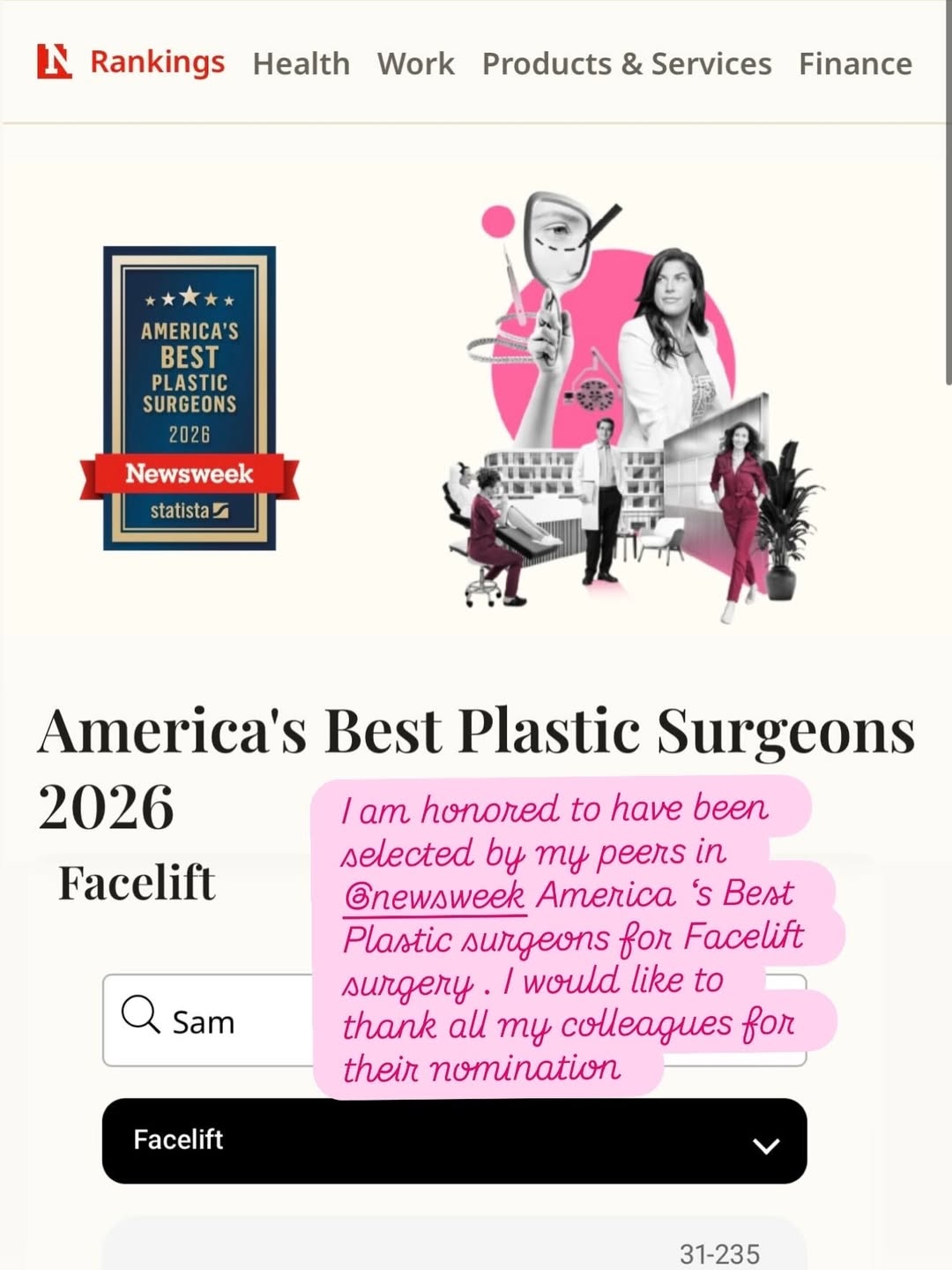
A peer nomination in facelift and rhinoplasty from Newsweek
The recognition rests on recommendations from other surgeons rather than marketing or self promotion.
DR SAM RIZK STAFFTurn your social into search
We turn your posts into editorial stories that bring new search traffic to drsamrizk.com. Three of yours will be on this page.
Book a demo
drsamrizk It’s an honor for me to share with you my selection in @newsweek ‘s America ‘s Best Plastic Surgeons [secret hidden. carrier 2] in category of Facelift & Rhinoplasty. The criteria are solely based on recommendations from peers, quality of care & outcomes. Facial plastic surgery has been my passion for Over 27 years and I thank my colleagues for their support. We all collectively make our profession better every day by innovating, teaching, giving our best to our patients and being there for them after the surgery. #newsweekbestplasticsurgeons[secret hidden. carrier 2] #drsamrizk #samrizkmd #faceliftexpert #rhinoplastyexpert
The recognition rests on recommendations from other surgeons rather than marketing or self promotion.
DR SAM RIZK STAFFHow it works
Same as today. Nothing changes on Instagram.
We turn your post into a full story in your voice within the hour.
One click publishes it to drsamrizk.com. Nothing goes live without you.
Your stories
Nothing was published anywhere. You decide that. Every word will come from your own posts, your own photos and your own treatments.
Recognition · From your post
The recognition rests on recommendations from other surgeons rather than marketing or self promotion.
“It’s an honor for me to share with you my selection in @newsweek ‘s America ‘s Best Plastic Surgeons [secret hidden. carrier 2] in category of Facelift & Rhinoplasty. The criteria are solely based on recommendations from peers, quality of care & outcomes. Facial plastic surgery has been my passion for Over 27 years and I thank my colleagues for their support. We all collectively make our profession better every day by innovating, teaching, giving our best to our patients and being there for them after the surgery. #newsweekbestplasticsurgeons[secret hidden. carrier 2] #drsamrizk #samrizkmd #faceliftexpert #rhinoplastyexpert”
Facelift after 60 · From your post
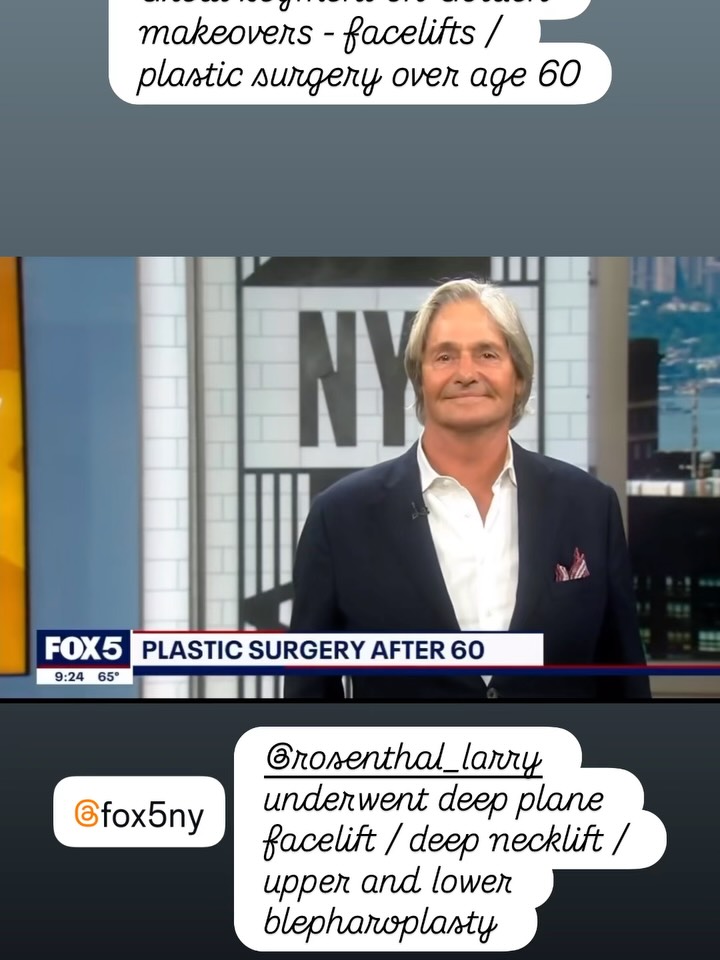
A Fox 5 segment on plastic surgery after 60 gave us a rare chance to show a facelift result years after the fact, not weeks after it.
“Fox 5 ny segment on plastic surgery on patients over 60. They featured Dr Rizk’s facelift patient,fellow colleague and famed cosmetic dentist Dr Larry Rosenthal @rosenthal_larry,who is 74 years old and underwent a deep plane facelift / necklift / blepharoplasty / rhinoplasty and laser. The patient shown here is 3 years post. Dr Rosenthal is a household name in the cosmetic dentistry world and he chose Dr Rizk for natural results, rapid recovery and longevity of the facelift. He had seen Dr Rizk’s work over 20 years. #drsamrizk #deepplanefaceliftexpert #bestfaceliftsurgeonnyc”
Patient Results · From your post
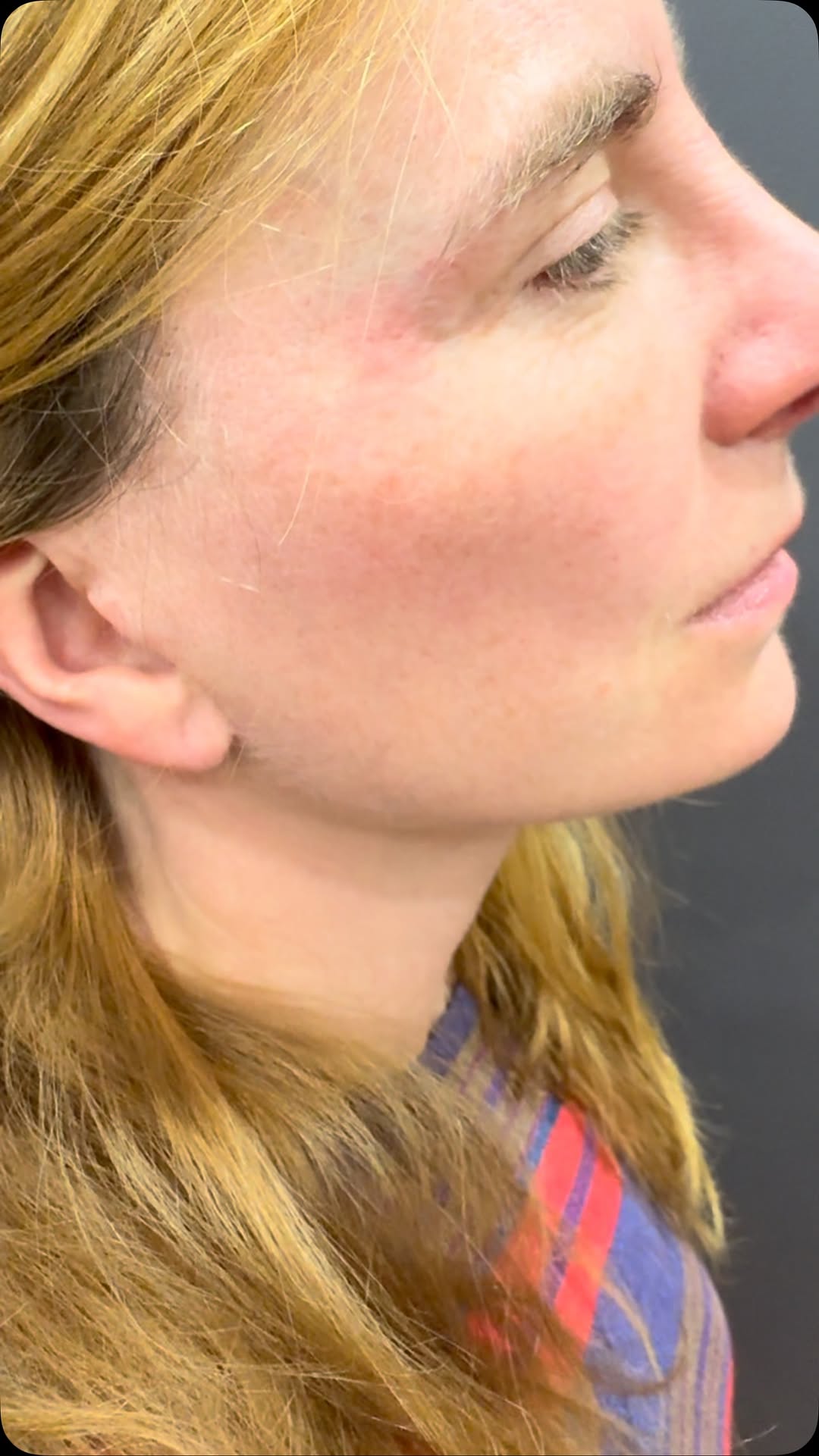
A 48 year old patient returns a year after facelift, necklift, revision rhinoplasty, and nanofat grafting with a profile she is genuinely happy with.
“48 yo patient shown 1 year post deep plane facelift / Necklift / revision rhinopasty / nanofat grafting. She is very happy with neck and jawline definition. she has been my patient getting other minor things for over 15 years and we are happy for her. #deepplanefacelift #bestfaceliftsurgeon #drsamrizk #samrizkmd”
One social post becomes another searchable entry point to Dr Sam Rizk.
Our own magazine. Clicks and citations from Google Search Console, as of September 15, 2026.
Draft story for drsamrizk.com · Recognition
The recognition rests on recommendations from other surgeons rather than marketing or self promotion.
Recognition in this field carries a particular kind of weight when it comes from the people who understand the work best. We were named among America's Best Plastic Surgeons for 2026 by Newsweek in the categories of facelift and rhinoplasty, a distinction built entirely on how other surgeons view the quality and outcomes of the work.
That distinction matters because of how the list is built. The criteria rest on recommendations from peers, along with quality of care and outcomes, rather than advertising, self submission, or patient reviews alone. It is one surgeon's assessment of another, which is a different kind of scrutiny than most public rankings ever apply.
Facelift and rhinoplasty are two of the more technically demanding procedures in facial plastic surgery, and being named in both categories reflects a specific kind of consistency. Peers are not grading a single result. They are weighing a body of work over time, judged by people who understand exactly how difficult that consistency is to sustain.
Facial plastic surgery has been the focus of this practice for over twenty seven years. That length of time is not mentioned as a credential for its own sake. It is the context that makes peer recognition meaningful, since it reflects sustained judgment from colleagues who have watched the work evolve across decades rather than a single moment.
The recognition is framed here as collective rather than individual, and that framing is intentional. Progress in this field depends on surgeons pushing each other toward better technique, sharing what works, and holding one another to a standard that outlasts any single practice. Being selected by that same community is a reflection of that shared effort.
Innovating and teaching are part of what keeps standards moving forward, and so is the less visible work of staying present with patients after surgery is complete. Facelift and rhinoplasty outcomes are not judged only in the operating room. They are judged in the weeks and months that follow, which is where much of a surgeon's real reputation is actually built.
Gratitude toward colleagues is not a formality here. A peer nominated list only works if the people doing the nominating trust what they have seen, whether in shared cases, professional settings, or simply the outcomes visible over years of practice. That trust is not something any single surgeon can manufacture alone.
Being named across two demanding categories is a marker of where the work stands today, not a finish line. The same standards that led to this recognition, consistency, peer trust, and attentive care after surgery, are the ones that will keep shaping the work in facelift and rhinoplasty going forward.
Draft story for drsamrizk.com · Facelift after 60
A Fox 5 segment on plastic surgery after 60 gave us a rare chance to show a facelift result years after the fact, not weeks after it.
Most facelift photography happens too early to mean much. Two weeks out, everything looks tight because it is still swollen. Three years out is a different kind of evidence, and that is the timeline Fox 5 NY chose when they built a segment on plastic surgery after 60 around one of our patients, cosmetic dentist Dr Larry Rosenthal, who is 74 and appeared on set to talk about his own results.
Dr Rosenthal is not a stranger to this work. He is a well known name in cosmetic dentistry, a field where appearance and reputation move in the same direction, and he had watched our surgical results from the outside for over twenty years before he became a patient himself. That kind of observation period is its own form of due diligence, the kind that matters more than a single consultation ever could.
What he chose to have done was not a single procedure but a coordinated one: a deep plane facelift paired with a necklift, upper and lower blepharoplasty, a rhinoplasty, and laser resurfacing. Treating the face as one connected structure, rather than isolating a jawline or a pair of eyelids, is the difference between a result that reads as a whole face and one that reads as a series of separate fixes stacked on top of each other.
A deep plane facelift works underneath the surface layer of the face, repositioning the deeper tissue instead of simply pulling the skin back and anchoring it there. Skin only lifts is a technique that tends to relax again within a few years, because the skin was never the part holding the face up in the first place. Moving the deeper structure gives the result something to rest on, which is a large part of why it holds its shape over time.
That structural difference is exactly what three years post is meant to demonstrate. It is long enough for any early swelling, tightness, or transitional oddness to have fully resolved, and long enough for gravity and normal aging to have had a real chance to work against the result. What is left at that point is close to the honest, settled version of the outcome, not the flattering early version.
Dr Rosenthal has said the reasons he chose us were natural results, rapid recovery, and longevity of the facelift, and those three ideas are related rather than separate. A result that looks natural immediately after healing is also usually one that ages more gracefully, because it was never pulled or exaggerated past what the face's own structure could support. Recovery speed and long term stability tend to travel together for the same reason.
For a public figure in a visual profession, recovery time is not a small consideration. A facelift that keeps someone off camera for weeks carries its own cost, separate from how the final result eventually looks. Being able to return to work and public appearances without an obvious recovery period is part of what makes deep plane technique appealing to patients whose faces are, in a real sense, part of their professional life.
Segments like this one exist because plastic surgery after 60 is still often discussed in vague or dramatic terms, when the more useful question is simply how a specific result holds up years later. A facelift patient at three years, still recognizable, still looking like themselves rather than a stretched version of themselves, is a more honest answer than any before and after photo taken two weeks out could ever provide.
Draft story for drsamrizk.com · Patient Results
A 48 year old patient returns a year after facelift, necklift, revision rhinoplasty, and nanofat grafting with a profile she is genuinely happy with.
A profile view a year out from surgery tells you things a straight on photo cannot. The angle in front of us shows a clean line from ear to chin, a neck that falls away smoothly instead of catching on itself, and skin across the cheek that reads calm rather than pulled. This is what a year of healing looks like when the underlying structure was addressed and not just the surface.
This patient is 48, and what she had done was not a single procedure but a combination: a deep plane facelift, a necklift, a revision rhinoplasty, and nanofat grafting. Each piece plays a different role. The facelift and necklift reset the lower face and jawline. The revision rhinoplasty corrected a nose that had already been operated on once before. The nanofat grafting restored volume using her own fat rather than a filler.
The jawline is where a facelift either reads as successful or does not. It is the line people notice first and the one that is hardest to fake with anything nonsurgical. In this image, the angle from ear to chin is unbroken, and the neck underneath it sits close and defined instead of soft. That combination, jaw and neck working together, is the specific outcome a deep plane technique is meant to produce.
A deep plane facelift works underneath the surface layer of the face, repositioning the deeper tissue rather than simply tightening skin. The reason it tends to hold up well a year later is that it is not fighting gravity from the outside. The structure sits where it was moved to, which is why a one year mark like this one is a more honest measure of the work than photos taken right after surgery.
The rhinoplasty in this case was a revision, meaning she had already had nasal surgery before and came back for a correction. Revision work carries its own difficulty, since the tissue has already been altered once and has less room for error the second time. Seeing her profile a year later, the nasal line sits in proportion with the rest of the face rather than competing with the new jawline and neck.
Nanofat grafting rounds out the plan by addressing volume rather than tightness. Fat is harvested, processed, and reinjected into areas that have thinned or hollowed, most often the cheeks and under the eyes. It is a slower, gentler way to restore fullness than filler, and because it is her own tissue, it tends to integrate and age along with the rest of the face rather than sitting apart from it.
What stands out here is not just the surgery but the relationship behind it. She has been a patient for over fifteen years, coming in for smaller things long before this combined procedure. That kind of history changes how a plan gets built, since it is based on watching one face change gradually over time rather than making decisions from a single visit, and we are genuinely happy for her.
A year out, what she has is not a different face but a clearer version of her own, jawline and neck finally matching what the rest of her features had already been doing. That is the real measure of a result like this: not how dramatic it looks the week after, but how ordinary and permanent it feels twelve months later, once healing has settled and the outcome is simply how she looks now.
Keep reading