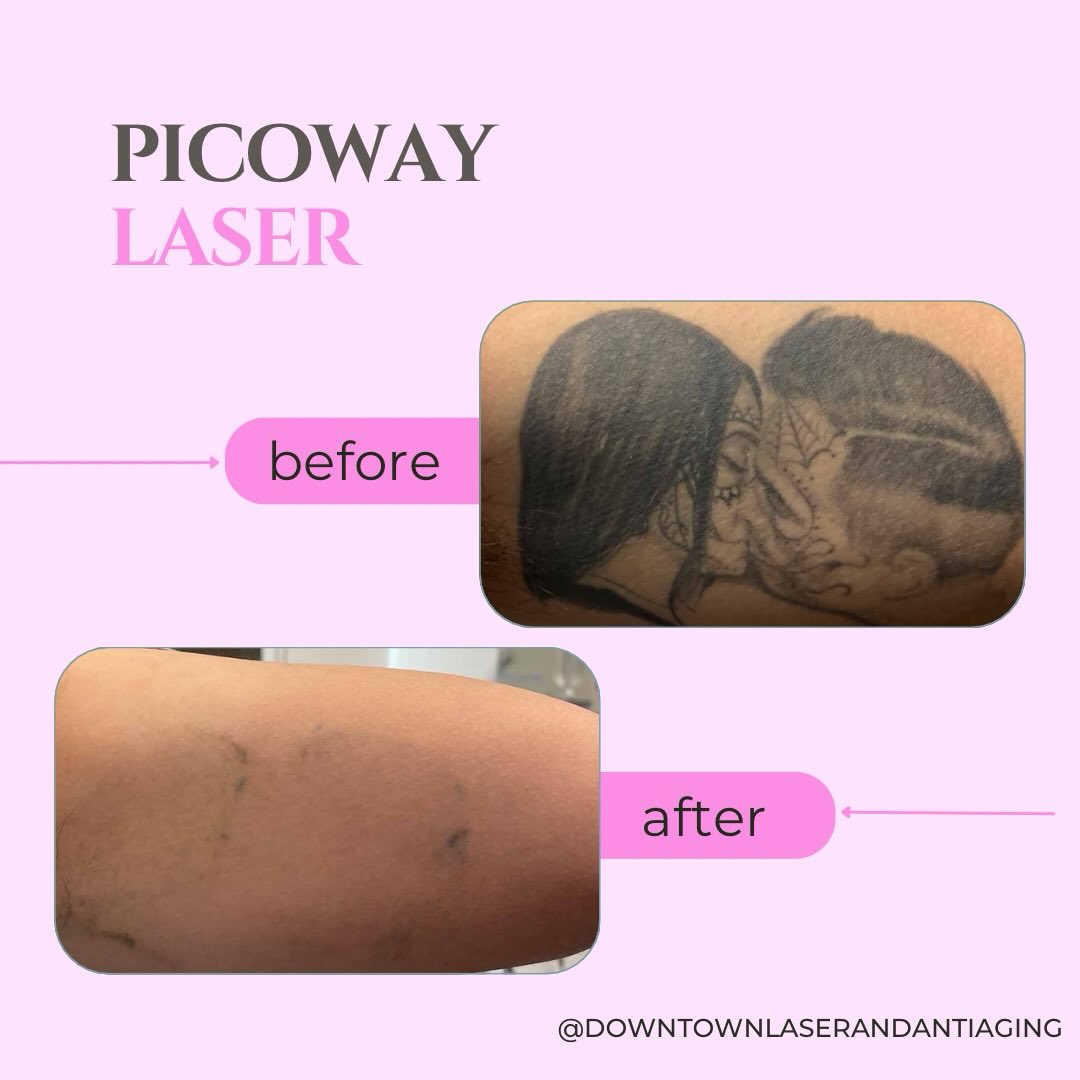
What a detailed tattoo actually looks like fading under PicoWay
A dense shoulder tattoo and a set of faint arm lines show two different stages of the same laser process.
DOWNTOWN LASER AND ANTI AGING STAFFTurn your social into search
We turn your posts into editorial stories that bring new search traffic to downtownlaserandantiaging.com. Three of yours will be on this page.
Book a demo
downtownlaserandantiaging Stubborn pigment? Old ink? You’re not stuck with it, babe ✨ PicoWay is one of the most advanced lasers for pigment and tattoo removal gentle on skin, tough on color 💖 Let’s create a plan that feels safe, effective, and totally you 🤍
A dense shoulder tattoo and a set of faint arm lines show two different stages of the same laser process.
DOWNTOWN LASER AND ANTI AGING STAFFHow it works
Same as today. Nothing changes on Instagram.
We turn your post into a full story in your voice within the hour.
One click publishes it to downtownlaserandantiaging.com. Nothing goes live without you.
Your stories
Nothing was published anywhere. You decide that. Every word will come from your own posts, your own photos and your own treatments.
Laser Removal · From your post
A dense shoulder tattoo and a set of faint arm lines show two different stages of the same laser process.
“Stubborn pigment? Old ink? You’re not stuck with it, babe ✨ PicoWay is one of the most advanced lasers for pigment and tattoo removal gentle on skin, tough on color 💖 Let’s create a plan that feels safe, effective, and totally you 🤍”
Skin Notes · From your post
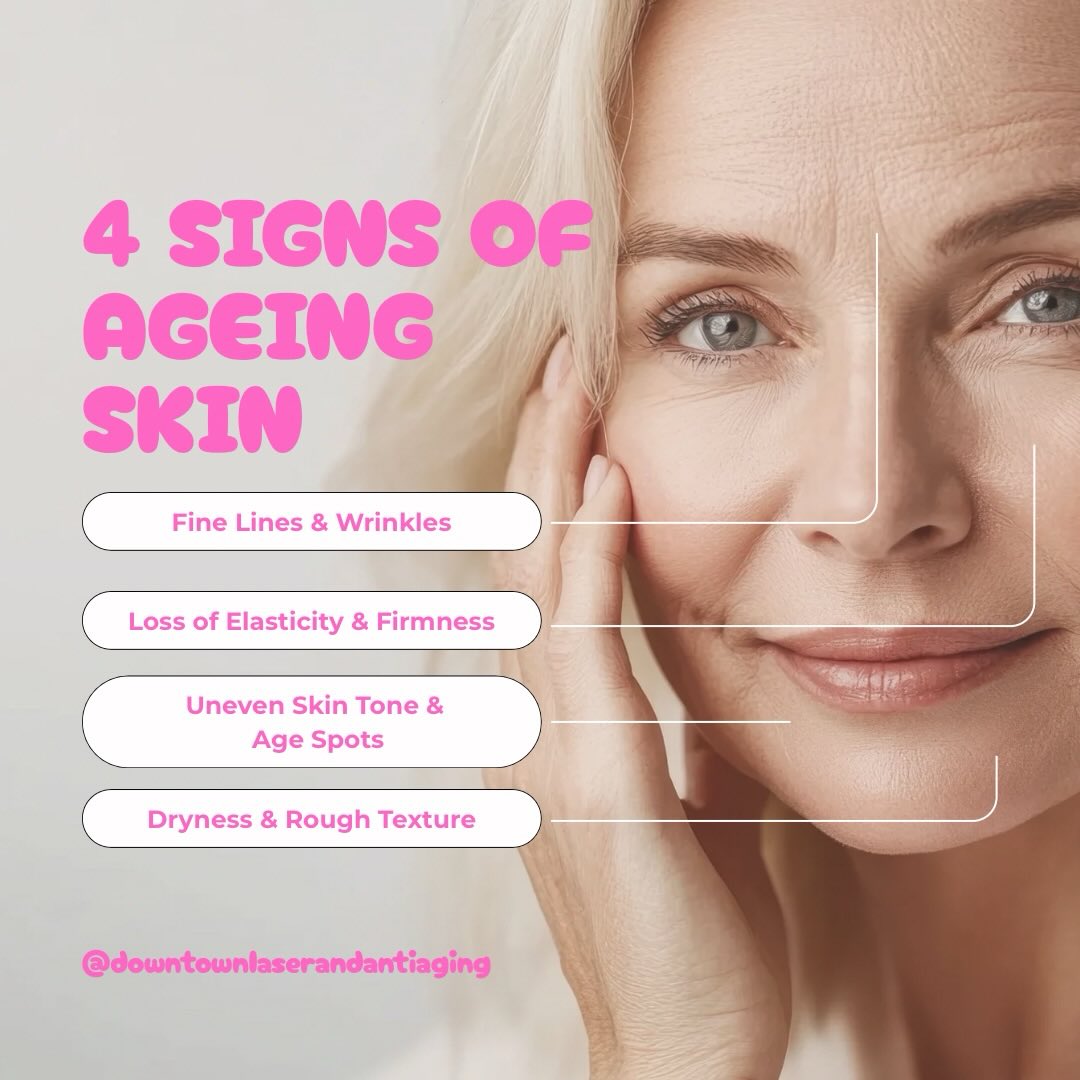
Fine lines, uneven tone, and rough texture are not random, and each one points to a different starting place.
“Fine lines, tired looking skin, and uneven texture happen especially with stress, sun, and time. The glow can come back ✨ Book a consult and let’s create a plan just for you • • • • • #modernmedspa #luxuryskincarela #girlyglowup #softgirlskincare #glowskinclinic”
Filler Education · From your post
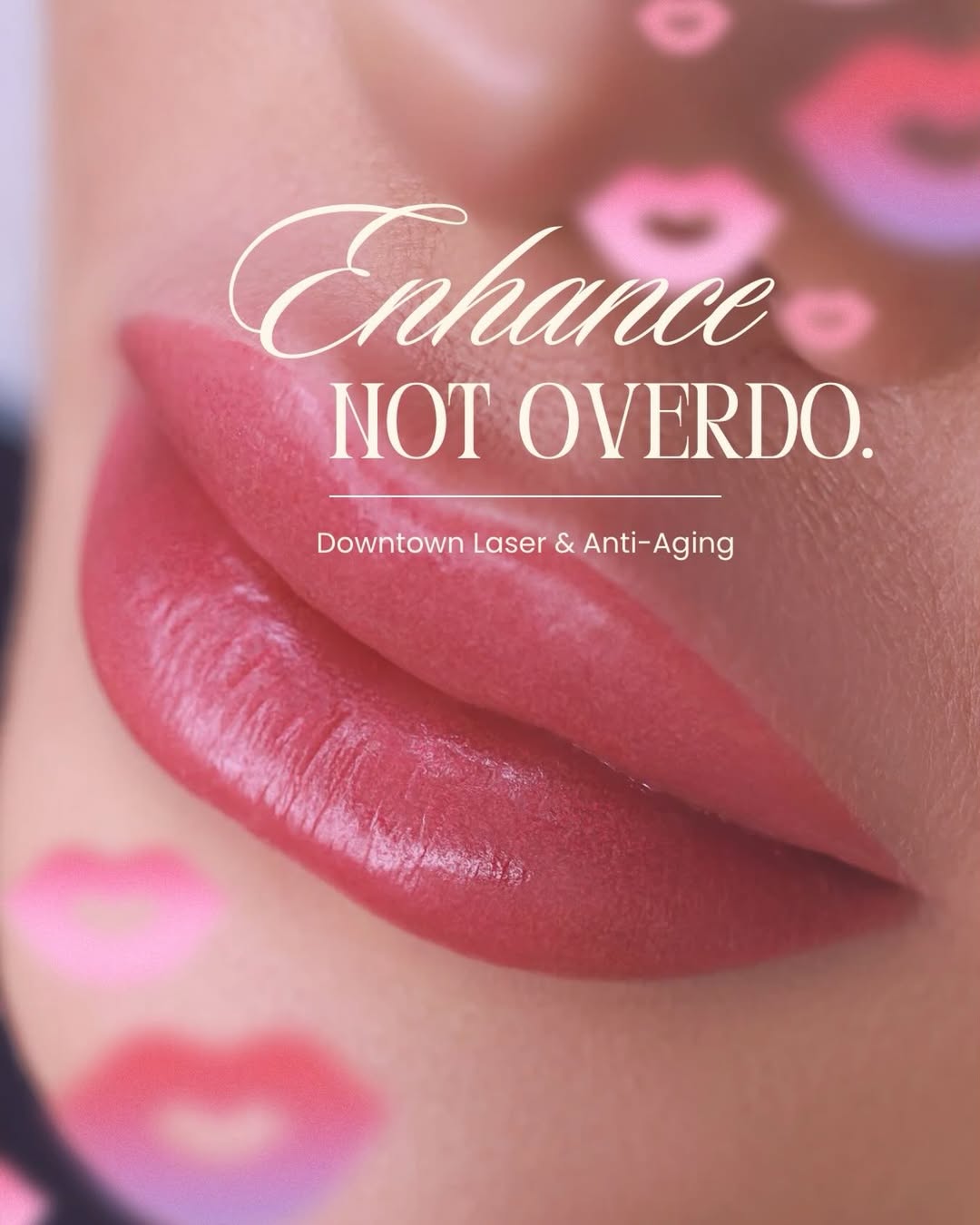
A closer look at what dermal filler restores, softens, and supports, and why starting with a consult matters.
“Filler education ✨ • Restores lost volume • Softens folds and shadows • Enhances natural contours • Supports collagen over time • Results are customizable + reversible If you’re filler curious, start with a consult 🤍 • • • • #lipfiller #lipfillerresults #lipsbeforeandafter #lipenhancement natura”
One social post becomes another searchable entry point to Downtown Laser and Anti Aging.
Our own magazine. Clicks and citations from Google Search Console, as of September 15, 2026.
Draft story for downtownlaserandantiaging.com · Laser Removal
A dense shoulder tattoo and a set of faint arm lines show two different stages of the same laser process.
The before and after here are not the same tattoo at two points in time. They are two different clients, shown side by side to make one point clear: PicoWay works on ink at very different stages, from a dense, detailed piece to the faint remnants left after a treatment has already done most of its work. Seeing both together tells a more honest story than a single dramatic transformation photo ever could.
The first image is a shoulder piece with real density: two faces rendered in fine linework, layered shading, and a web pattern worked into the skin near the hairline. This is the kind of tattoo people assume is permanent simply because of how much ink went into it. Detailed black and grey work like this is exactly the category PicoWay is built to break down, treatment by treatment, without treating the surrounding skin as collateral damage.
The second image is a forearm with only a few thin, broken lines still visible against clear skin. Whatever was there originally has largely lifted, leaving faint marks that read more like pencil strokes than tattoo work. That gap between the two photos, from dense saturated ink to scattered light lines, is the range we're describing when we talk about pigment and tattoo removal as an actual process rather than a single fix.
Stubborn pigment and old tattoos are not the same problem, even though they get grouped together. Pigment sits closer to the surface and often responds to fewer sessions, while tattoo ink can be layered deep into the skin depending on how it was originally applied. PicoWay's pulse technology is built to address both, breaking particles into fragments small enough for the body to clear naturally over time rather than forcing removal in one aggressive pass.
That gentler mechanism matters most for skin that has to stay intact afterward. A laser that is only measured by how fast it fades ink, without regard for the skin underneath, can leave behind irritation, scarring, or uneven tone that becomes its own long term issue. Being gentle on skin while still being tough on color is not a tagline detail, it's the actual mechanical tradeoff that determines whether removal looks clean months later.
No two tattoos or pigment concerns start from the same place, which is why we don't treat removal as a single universal protocol. The density of the ink, its color, its depth, and how the skin around it has responded in the past all factor into how a plan gets built. That's true whether someone is looking at a small faded line or a piece as detailed as the shoulder work shown here.
We'd rather set expectations honestly from the first conversation than let a client assume one session equals one disappearing tattoo. A plan that feels safe and effective usually means multiple sessions spaced with enough time between them for the skin to actually clear what the laser has broken down. It's a slower process than most people expect walking in, but it's the version that holds up once the ink is gone.
If stubborn pigment or old ink has been sitting there for years as something you assumed was permanent, the honest answer is that removal is possible, but it's a process worth understanding before starting. Whether the goal is fading a small mark or working through something as involved as the piece pictured here, the starting point is the same: a real conversation about what your skin and your ink actually need.
Draft story for downtownlaserandantiaging.com · Skin Notes
Fine lines, uneven tone, and rough texture are not random, and each one points to a different starting place.
Skin does not age in one uniform way. It shows up as a handful of separate changes that often arrive together but do not always come from the same cause. Before we recommend anything, we look at which of these changes is actually present, because fine lines and dryness are not treated the same way, even though both fall under the general idea of ageing skin.
Fine lines and wrinkles are usually the first thing people notice, often around the eyes or mouth where the skin moves the most. Stress, sun exposure, and simple time all play a part, and they tend to show up gradually rather than overnight. We treat this as a texture and movement concern first, since the way skin creases tells us where it has lost some of its natural bounce.
Loss of elasticity and firmness happens underneath the surface, which is part of why it can be harder to notice until it is more advanced. Skin that used to snap back starts to hold its position a little longer. This is less about lines and more about structure, and it usually calls for a different approach than something aimed purely at surface texture or tone.
Uneven skin tone and age spots are a separate issue entirely, tied more to sun exposure and pigment than to firmness or fine lines. These show up as patches or spots rather than texture changes, and they can appear on people whose skin still feels firm and smooth to the touch. Tone concerns respond to a different category of treatment than structural or textural ones do.
Dryness and rough texture are the changes people tend to dismiss as seasonal or minor, but they are just as much a sign of ageing skin as lines or spots. Rough texture changes how light reflects off the skin and how makeup sits on it, which is often what makes skin look tired even when nothing dramatic has changed. It is frequently the easiest of the four to address early.
The reason we separate these four is simple: a plan built for fine lines will not necessarily help uneven tone, and something aimed at firmness will not fix dryness. Understanding which of these is driving how your skin looks right now is the actual starting point, not a general idea that skin is simply getting older.
That is what a consult is for. We look at your skin in person, talk through what has changed and when, and figure out which of these four areas matters most for you right now. From there we build a plan around that specific combination rather than treating ageing skin as one single problem with one single answer.
If any of this sounds familiar, whether it is a line that has settled in, a patch of uneven tone, or skin that just feels rougher than it used to, that is worth a real conversation. Book a consult with us in Los Angeles and we will walk through what is actually happening with your skin before deciding what comes next.
Draft story for downtownlaserandantiaging.com · Filler Education
A closer look at what dermal filler restores, softens, and supports, and why starting with a consult matters.
Filler gets talked about like a single decision, but it is really a set of small, specific effects working together. Restoring lost volume, softening folds and shadows, enhancing natural contours, and supporting collagen over time are four different jobs, not one blanket outcome. Understanding them separately is what makes the process feel less like a leap and more like a plan.
Volume loss is often the starting point. Over time, certain areas lose the fullness that once held the surrounding structure in place, and shadows or folds start to appear where there used to be smoothness. Filler addresses that directly by restoring what has thinned, which is different from adding something that was never there. It is correction, not addition for its own sake.
Softening folds and shadows is a subtler goal than people expect. The aim is not to erase every line but to reduce the contrast that makes an area look tired or hollow. Enhancing natural contours works the same way. It is about supporting the shape a face already has rather than introducing a new one, which is where the phrase enhance, not overdo, actually comes from.
There is also a longer term piece to this. Filler is understood to support collagen over time, meaning some of the benefit builds gradually rather than arriving all at once. That is worth knowing going in, since it reframes the process as something with a compounding effect rather than a single moment of change that either works or does not.
One of the more practical points is that results are customizable and reversible. Customizable means the approach can be adjusted to the individual rather than following a fixed formula. Reversible means the decision is not permanent, which matters for anyone weighing whether to try it at all. Both of those facts lower the stakes of a first attempt considerably.
That is exactly why the consult exists as the first real step. Being filler curious is not the same as being ready to commit to a specific result, and a consult is where those two things get separated. It is the point where questions about volume, folds, contours, and timeline get answered against an actual face rather than a general idea.
No list replaces a conversation that looks at an individual face and individual goals. The categories above, volume, folds, contours, collagen support, reversibility, form a framework, but how each one applies depends entirely on the person sitting in the chair. That is the value of starting with a consult instead of starting with an appointment already booked and a plan already decided.
The phrase enhance, not overdo, is less a slogan and more a description of how filler is meant to function when it is done with restraint. Restored volume, softened shadows, supported contours, and a result that can be adjusted or reversed all point toward the same idea: small, deliberate change. For anyone still deciding, a consult is where that decision actually starts.
Keep reading