The small steps that mean everything in rehabilitation
For patients working to get home, progress is measured in single steps and small wins, not big ones.
DOROTHY MANGURIAN COMPREHENSIVE WOMEN'S CENTER STAFFTurn your social into search
We turn your posts into editorial stories that bring new search traffic to holy-cross.com. Three of yours will be on this page.
Book a demo
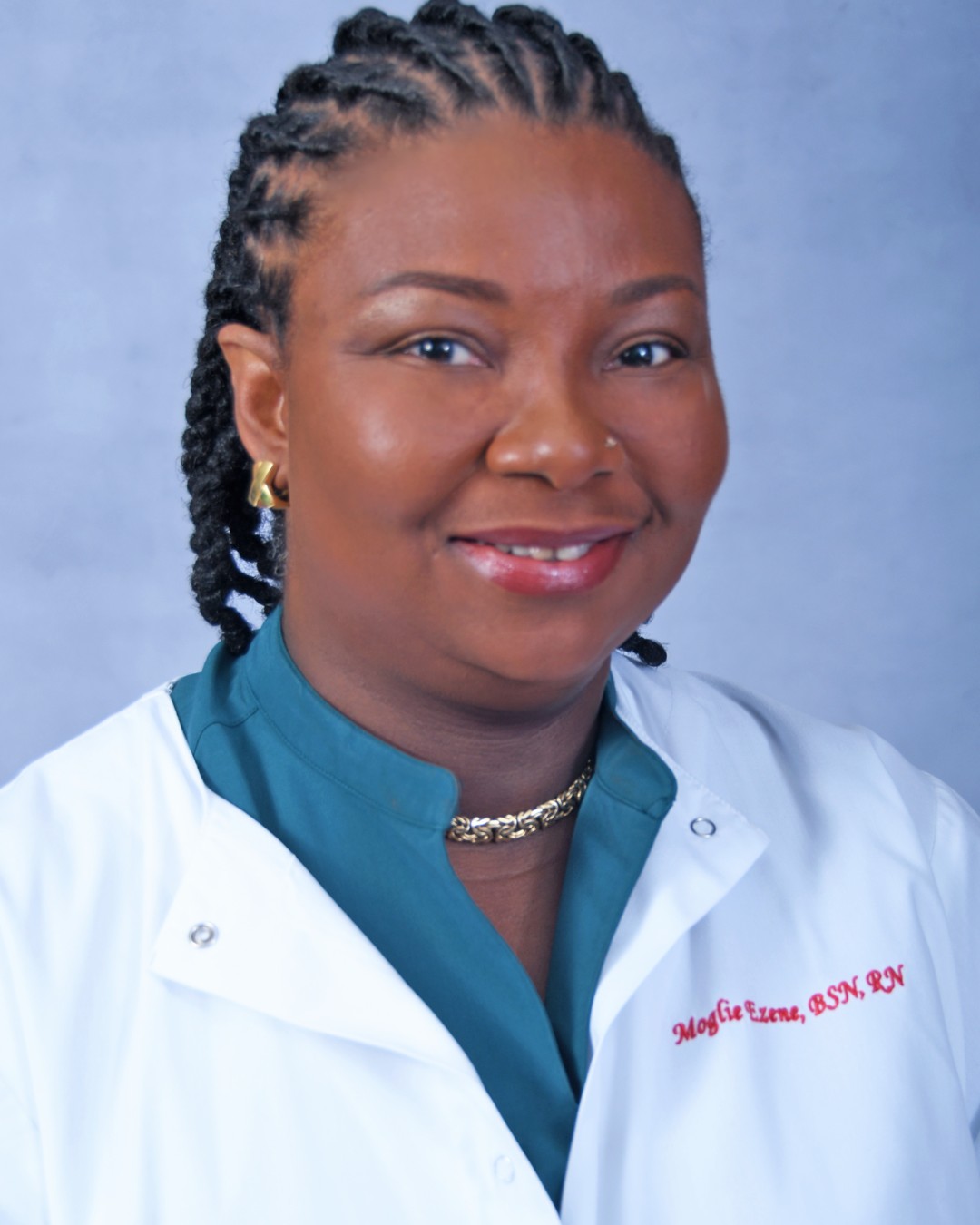
holycrossfl When getting home becomes the goal, every step matters. A few more steps. A little more confidence. One more thing you can do on your own. For patients in rehabilitation, those moments mean everything. This Rehab Week, we're celebrating Moglie Ezene, Diana Rodriguez, Sydni Kerr, and Didier "Didi" Zephirin, and the many small victories they help patients achieve every day. 💙 Tap the link in our bio to meet the team.
For patients working to get home, progress is measured in single steps and small wins, not big ones.
DOROTHY MANGURIAN COMPREHENSIVE WOMEN'S CENTER STAFFHow it works
Same as today. Nothing changes on Instagram.
We turn your post into a full story in your voice within the hour.
One click publishes it to holy-cross.com. Nothing goes live without you.
Your stories
Nothing was published anywhere. You decide that. Every word will come from your own posts, your own photos and your own treatments.
Rehab Week · From your post
For patients working to get home, progress is measured in single steps and small wins, not big ones.
“When getting home becomes the goal, every step matters. A few more steps. A little more confidence. One more thing you can do on your own. For patients in rehabilitation, those moments mean everything. This Rehab Week, we're celebrating Moglie Ezene, Diana Rodriguez, Sydni Kerr, and Didier "Didi" Zephirin, and the many small victories they help patients achieve every day. 💙 Tap the link in our bio to meet the team.”
Rehab Week · From your post
For Rehab Week, we're recognizing Amanda Swisher, DPT, and the rehab team for the work behind every patient's return to independence.
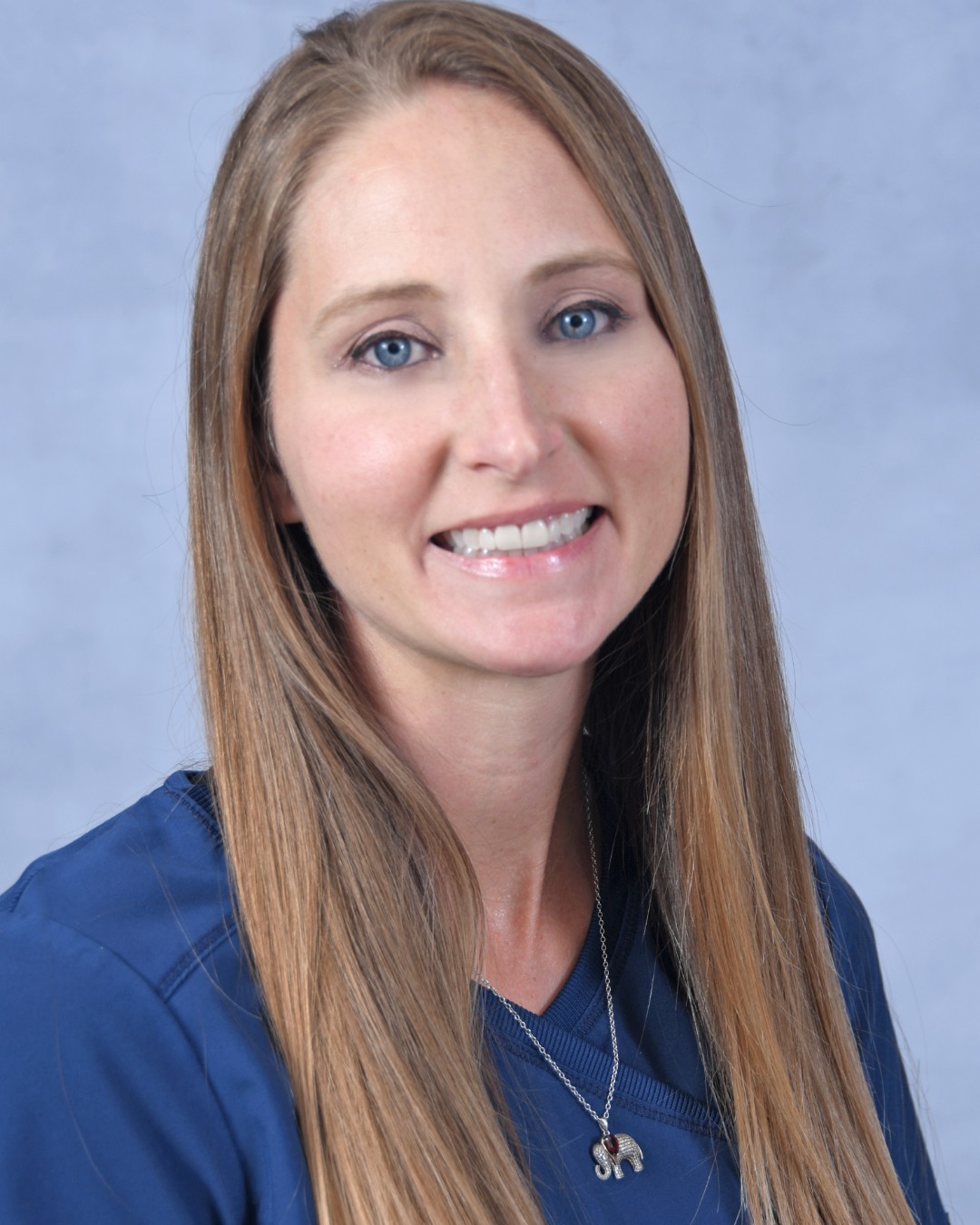
“A few extra steps. Getting dressed without help. Reaching for something on a shelf. For someone working through recovery, those moments can mean everything. This Rehab Week, we're celebrating Amanda Swisher, DPT, and the entire rehab team for helping patients regain confidence, independence and the ability to get back to the things they love. 💙 Tap the link in our bio to read Amanda's story.”
Patient Stories · From your post
During Brain Aneurysm Awareness Month, Sarah Frost shares how a trip turned into a health scare and a recovery guided by the team at Holy Cross Health.
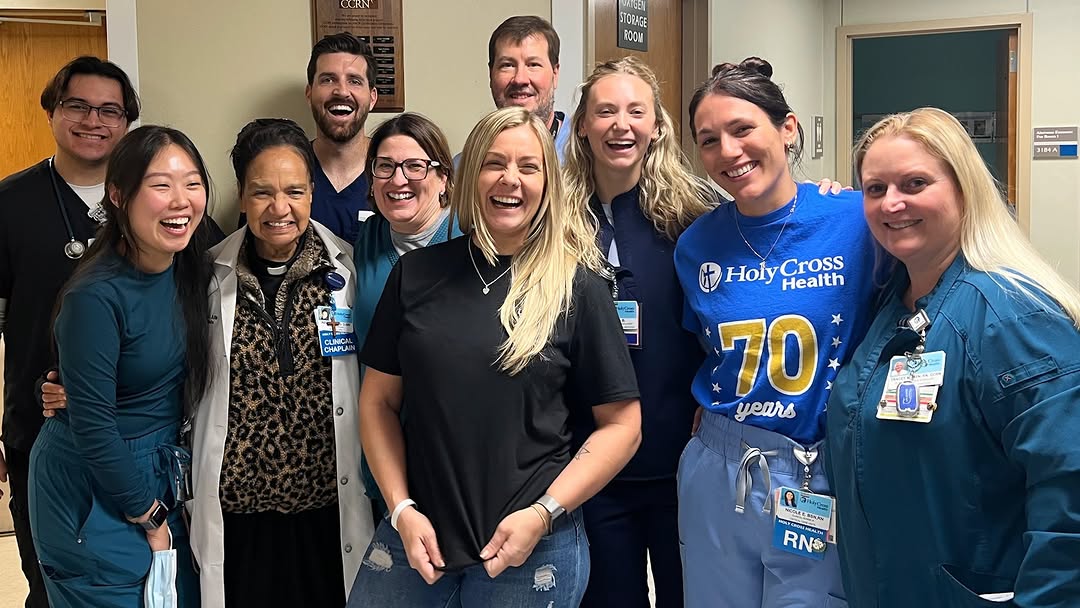
“Sarah Frost thought she was coming here for a vacation. Instead, she left with a deeper appreciation for every day and a story she's now sharing with others. This September, during Brain Aneurysm Awareness Month, Sarah is opening up about her experience, her recovery, and the care team at Holy Cross Health who helped her through it all. Watch the full story.”
One social post becomes another searchable entry point to Dorothy Mangurian Comprehensive Women's Center.
Our own magazine. Clicks and citations from Google Search Console, as of September 15, 2026.
Draft story for holy-cross.com · Rehab Week
For patients working to get home, progress is measured in single steps and small wins, not big ones.
Recovery rarely announces itself with a single dramatic moment. More often it looks like a patient standing a little longer than they did yesterday, or walking to the door of their room without help for the first time since they arrived. Those moments are quiet, but for the person living them, they are everything. This Rehab Week, we are pausing to recognize the people who make those moments possible.
Getting home is the goal that shapes every session in rehabilitation. It is not an abstract idea. It means a patient can climb their own front steps again, stand at their own kitchen counter, or move through their own hallway without assistance. Every exercise, every repetition, and every small adjustment in a session is aimed at that one outcome, and the path there is rarely a straight line.
A few more steps. A little more confidence. One more task a patient can complete on their own. These are the units progress actually comes in in rehabilitation, and they matter more than they might sound like they should. A patient who could not stand unassisted last week and can now hold that position for a minute has moved closer to home, even if nothing about that looks dramatic from the outside.
That is the work Moglie Ezene, Diana Rodriguez, Sydni Kerr, and Didier Didi Zephirin show up for every day. Rehabilitation asks for patience on both sides of the exchange, from the patient relearning something their body once did without thought, and from the team guiding them through it session after session. Small victories accumulate slowly, and someone has to be present for every single one of them.
It would be easy to overlook the small win in favor of the big milestone, but in rehabilitation the small win often is the milestone. A patient regaining the ability to do one more thing independently is not a footnote on the way to going home, it is the actual mechanism of getting there. Recognizing that distinction is part of what shapes how care is delivered day to day.
This work also asks for a particular kind of attention, the kind that notices when a patient is ready to be pushed a little further and when they need the moment to simply be acknowledged. Moglie Ezene, Diana Rodriguez, Sydni Kerr, and Didier Didi Zephirin bring that attention to patients working through some of the hardest stretches of their recovery, where the difference between one day and the next can be hard to see unless you are looking closely.
Rehab Week gives us a reason to name the people doing this work directly, rather than letting it stay in the background of a patient's recovery story. Their presence in the room is part of why a patient's next step feels possible, even on the days it feels far away. It is steady, repetitive work, and its value shows up gradually rather than all at once.
None of it depends on grand gestures. It depends on someone being there for the small step, the extra bit of confidence, and the task a patient can finally manage without help. That is the shape rehabilitation actually takes, one step at a time, with people paying close enough attention to notice when it happens.
Draft story for holy-cross.com · Rehab Week
For Rehab Week, we're recognizing Amanda Swisher, DPT, and the rehab team for the work behind every patient's return to independence.
Recovery rarely announces itself with something dramatic. More often it shows up quietly: getting dressed without assistance, reaching for a plate on a shelf, walking a few extra steps than the day before. Those moments look small from the outside, but for someone working through rehabilitation, they can mean everything. They are proof that progress is happening, even when it happens slowly.
This Rehab Week, we are celebrating Amanda Swisher, DPT, and the entire rehab team for the role they play in that progress. Their work is not measured in single breakthroughs but in the accumulation of small wins, the kind that rebuild confidence one repetition at a time. It is steady, patient work, and it asks for a particular kind of attention to each person's specific goals.
Independence after an injury or a setback is rarely about doing everything at once. It is about regaining the ability to do one thing without help, then another, then another, until daily life feels like it belongs to the patient again. That is the real work of physical therapy: not just building strength, but restoring the confidence to use it. Every session is aimed at helping someone trust their body again.
That trust does not come from encouragement alone. It comes from a team that shows up consistently, adjusts a plan when something is not working, and pays attention to the details that matter to that particular patient. Whether the goal is climbing stairs, returning to a favorite hobby, or simply moving through a morning routine without pain, the approach has to be built around the person, not a generic timeline.
Amanda Swisher, DPT, represents the kind of clinician this work requires: someone who understands that recovery is physical and personal at the same time. But she does not do this work alone. The rehab team around her shares the same commitment, showing up for patients through the parts of recovery that are frustrating as often as they are encouraging, and celebrating progress that might otherwise go unnoticed by anyone else.
That kind of teamwork is easy to overlook because it does not always look impressive from the outside. It looks like patience. It looks like showing up for the same patient week after week, adjusting exercises, tracking small changes, and treating those changes as significant because they are. Rehab Week gives us a chance to say plainly what we see all year: this work deserves recognition.
The point of rehabilitation is never rehabilitation itself. It is what comes after: getting back to the things patients love, whether that is a hobby, a job, time with family, or simply moving through a day without having to think about every step. That is the real measure of success, and it is the outcome the rehab team is working toward with every patient who walks through the door.
We are proud to celebrate Amanda Swisher, DPT, and the rehab team this week, and proud of the patients who put in the work alongside them. Recovery is rarely fast and rarely linear, but it is real, built one small moment at a time. Read Amanda's full story through the link in our bio to see what that work looks like up close.
Draft story for holy-cross.com · Patient Stories
During Brain Aneurysm Awareness Month, Sarah Frost shares how a trip turned into a health scare and a recovery guided by the team at Holy Cross Health.
Sarah Frost did not plan for a hospital stay. She thought she was coming to Fort Lauderdale for a vacation, the kind of trip where the biggest decision of the day is where to eat dinner. Instead, her time here turned into something else entirely, a experience that reshaped how she thinks about her health and her days.
What happened to Sarah falls under a topic many people know by name but few understand in practice: a brain aneurysm. September is Brain Aneurysm Awareness Month, and Sarah is using that timing to talk openly about what she went through, not as a headline but as a real account of fear, treatment, and the people who saw her through it.
The photograph taken inside our halls tells its own version of the story. Sarah stands at the center in a black shirt, surrounded by nurses, doctors, and staff in scrubs and white coats, all of them smiling, some with arms around each other. It is not a formal portrait. It is a group of people who clearly spent real time together under real circumstances.
Sarah has said she left with a deeper appreciation for every day. That is not a small thing to say out loud, and it is not something patients usually volunteer unless it is true. Her willingness to share her story during this specific awareness month gives it purpose beyond her own recovery, turning a private medical event into something other people can learn from.
Brain aneurysms are often silent until they are not, which is part of why awareness months exist at all. Sarah's story is not a statistic or a warning sign checklist. It is one person's account of coming in for one reason and leaving having faced something far more serious, then choosing to talk about it rather than move past it quietly.
The people surrounding Sarah in that hallway are not extras in her story. They are the clinical compliance staff, the RNs, the physicians in white coats who were part of her care team at Holy Cross Health. Their presence in the photograph, arms around her and each other, says something plain: this was not treatment delivered at a distance, it was hands on and personal.
Awareness months can feel abstract until a real name and a real face are attached to them. Sarah Frost gives Brain Aneurysm Awareness Month exactly that. Her full story is now available to watch, told in her own words, and it exists because she decided that what happened to her was worth more as a shared account than as a private memory kept to herself.
Keep reading