
Why we joined the Leonardo DiCaprio trend at Dermgen
A viral clip of a familiar furrowed brow gave us a lighthearted way to talk about the expressions we treat every day.
DERMGEN INC STAFFTurn your social into search
We turn your posts into editorial stories that bring new search traffic to dermgeninc.com. Three of yours will be on this page.
Book a demo
dermgeninc #leonardodicaprio #botox #xeom #dysport®️ #neurotoxin What movie is this from? Had to give this trend a shot😂 I know, I need to get a microphone. But I really think Leo is coming in for a consult🙌
A viral clip of a familiar furrowed brow gave us a lighthearted way to talk about the expressions we treat every day.
DERMGEN INC STAFFHow it works
Same as today. Nothing changes on Instagram.
We turn your post into a full story in your voice within the hour.
One click publishes it to dermgeninc.com. Nothing goes live without you.
Your stories
Nothing was published anywhere. You decide that. Every word will come from your own posts, your own photos and your own treatments.
Behind The Trend · From your post
A viral clip of a familiar furrowed brow gave us a lighthearted way to talk about the expressions we treat every day.
“#leonardodicaprio #botox #xeom #dysport®️ #neurotoxin What movie is this from? Had to give this trend a shot😂 I know, I need to get a microphone. But I really think Leo is coming in for a consult🙌”

Skin Treatments · From your post
A closer look at why an organic resurfacing method still beats high heat intensity for many skin concerns.
“#microneedling #skincare #reduceporesize I’m not a big fan of high heat high intensity lasers. Microneedling is a more organic and natural way to resurface your skin”
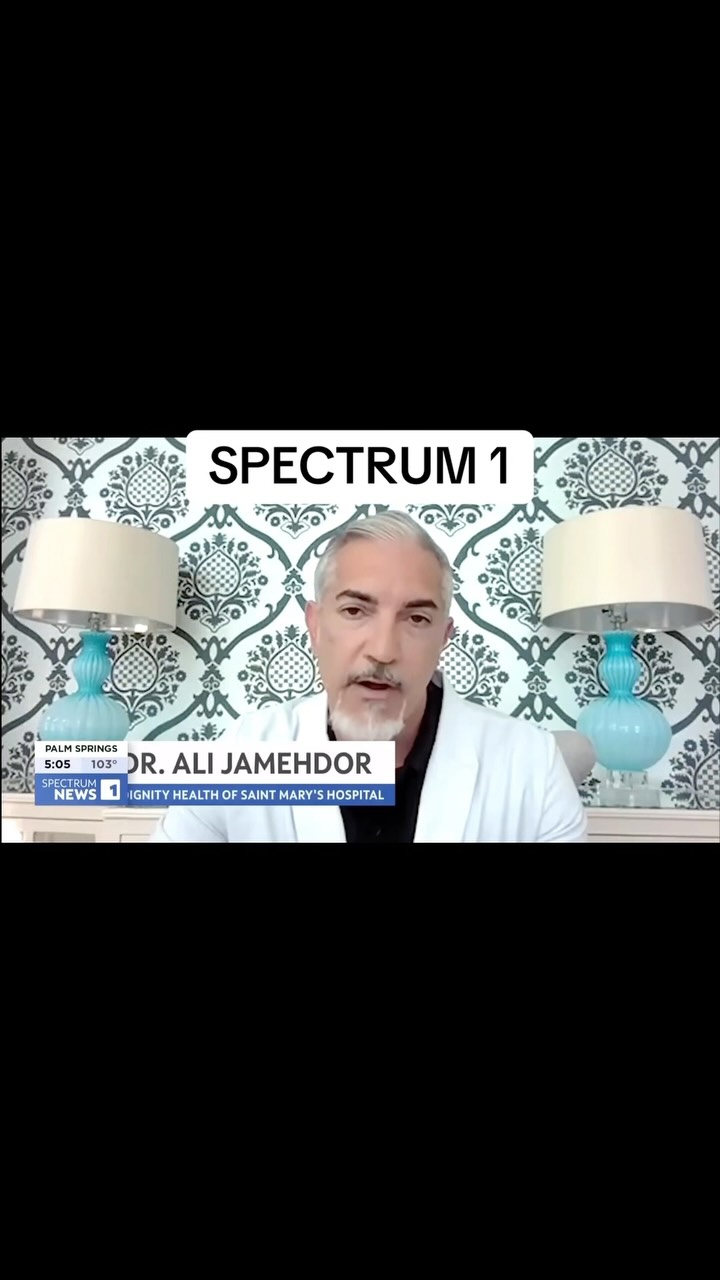
In the news · From your post
Palm Springs heat, hantavirus and flea typhus made for a demanding stretch, and local news came calling for medical perspective.
“It’s been a long month. From the Heat to Hantavirus to Flea Typhus. Thank you #ktla5news #abc7news #cbs2 #spectrum1 #nbc4 for the coverage and keeping the community informed 🙏”
One social post becomes another searchable entry point to Dermgen Inc.
Our own magazine. Clicks and citations from Google Search Console, as of September 15, 2026.
Draft story for dermgeninc.com · Behind The Trend
A viral clip of a familiar furrowed brow gave us a lighthearted way to talk about the expressions we treat every day.
We did not expect to be talking about a windblown film still on a Tuesday, but the trend was too fitting to skip. The clip in question shows that unmistakable furrowed brow, the tense jaw, the collar turned up against the wind. It is a face everyone recognizes instantly, and it happens to be a near perfect illustration of the exact muscle movements we spend our days softening for clients.
That furrow between the brows has a name in our world. We call it the number eleven, the vertical lines that form when someone concentrates, squints, or holds tension in their face for years without noticing. Seeing it frozen mid scene, dramatic lighting and all, made for an easy joke and an even easier teaching moment about where neurotoxin actually goes to work.
Botox, Xeomin, and Dysport all work on the same principle, even though the trend treats them like a punchline. Each one temporarily relaxes the specific muscles responsible for repetitive expressions, the ones that eventually carve in lines even when the face is at rest. The concentrated stare in that clip is a textbook example of the kind of expression that, repeated daily for years, becomes a permanent groove rather than a passing look.
We are not diagnosing a celebrity, and we are not claiming he needs anything at all. What we are pointing out is simpler: everyone makes that same face, whether they are solving a problem, squinting into the sun, or just deep in thought during a long day. It is one of the most common concerns we hear from clients who come in wanting to look less tense, not less like themselves.
Clients often describe it the same way, saying they look angry or tired even when they feel fine. That mismatch between how someone feels and how their resting face reads is usually the actual motivation behind treatment, more than any specific event or deadline. A relaxed brow changes how a face is read by other people in a room, which matters more to most clients than the number on the syringe.
So no, we cannot actually book Leo for a consult, and we are fully aware of how that line reads. But the invitation stands for anyone who has looked in a mirror and noticed that same crease starting to settle in. A consult is simply a conversation about what is showing up on your face and whether a neurotoxin is even the right tool for it.
We ended up laughing at ourselves as much as the source material, and that is really the point of these trends: they are approachable, a little goofy, and grounded in something real. If a blurry movie still can spark a genuine conversation about expression lines, we will keep joining in, one dramatic wind gust and furrowed brow at a time.
Draft story for dermgeninc.com · Skin Treatments
A closer look at why an organic resurfacing method still beats high heat intensity for many skin concerns.
There is a moment in almost every skin consultation where the conversation turns to lasers. Patients arrive having read about high heat, high intensity devices promising fast results, and they want to know if that is the right move for them. Our answer is usually no, not first, and not for everyone. We tend to start somewhere gentler, somewhere the skin can actually recover from without a long, angry aftermath.
That gentler option is microneedling, and it is not a compromise treatment. It works by creating controlled, microscopic channels in the skin using fine needles, which triggers the body's own repair response. There is no burning of tissue, no thermal injury to manage, no weeks of redness to explain away. The skin is prompted to heal itself, which is a very different mechanism than forcing change with concentrated heat.
We describe it as a more organic and natural way to resurface skin, and we mean that plainly, not as a marketing flourish. Lasers work by damaging a targeted layer of tissue so the body replaces it. Microneedling works by signaling the skin to repair and rebuild using its own collagen and elastin production, at a pace the tissue can actually keep up with rather than one dictated by a machine setting.
Our hesitation with high heat, high intensity lasers is not that they lack results. It is that the intensity itself is the tradeoff. Higher heat means higher risk of downtime, sensitivity, and in some skin types, pigment changes that take longer to resolve than the original concern. For a lot of patients, especially those wanting a routine they can repeat comfortably, that risk profile is simply more than the goal requires.
Reducing pore size is one of the concerns we hear most, and it is a useful example of where microneedling earns its place. Pores appear larger partly because of surrounding skin laxity and texture, not just oil or debris. By encouraging new collagen around the pore structure, microneedling can visibly tighten that surrounding tissue over a series of sessions, which is a structural approach rather than a surface one.
What we like most about this approach is how it respects the skin's own timeline. Immediately after treatment, the skin looks slightly flushed, similar to a light sunburn, and that settles within a short window for most patients. Underneath, the real work continues for weeks as new collagen forms, which is why results build gradually instead of arriving all at once on the day of treatment.
None of this means lasers are wrong for every patient or every concern. Some skin types and some goals are genuinely better matched to heat based devices, and we say so when that is the honest answer. But when someone wants resurfacing without the intensity, without the extended recovery, and without forcing the skin into a reaction it did not ask for, microneedling is where we start the conversation.
Draft story for dermgeninc.com · In the news
Palm Springs heat, hantavirus and flea typhus made for a demanding stretch, and local news came calling for medical perspective.
This has been a stretch worth naming plainly. Extreme heat, hantavirus and flea typhus all surfaced as concerns for the community within the same month, and each one required a different kind of public explanation. When three separate health issues arrive close together, the questions people ask multiply fast, and getting clear answers in front of them matters more than usual.
That is where the recent run of interviews came in. Spectrum 1 News sat down with Dr. Ali Jamehdor, affiliated with Dignity Health of Saint Mary's Hospital, for a segment that aired during a Palm Springs broadcast. The setup was simple: a patterned backdrop, two lamps with pale blue glass bases, and a doctor in a white coat speaking directly to the concerns residents were already carrying.
Heat alone can be dangerous enough to warrant its own coverage, and Palm Springs conditions this time of year make that risk immediate rather than theoretical. Layering hantavirus and flea typhus on top of that changes the conversation from a single warning into a pattern people need help sorting through. Segments like this one exist to separate what is urgent from what is simply unfamiliar.
Spectrum 1 was not the only outlet asking. KTLA 5, ABC7, CBS2 and NBC4 all covered some part of this same stretch, each reaching a different slice of the audience that needed the same basic information. Multiple stations picking up the same set of health concerns in the same window says something about how quickly the public wanted context once the reports started circulating.
We think that repetition across outlets is a good thing, not a redundant one. A viewer who missed the CBS2 segment might catch the NBC4 version instead, and someone scrolling past ABC7 later in the week might land on the Spectrum 1 clip. Covering the same material from several directions increases the odds that the right household hears it before making a decision that affects their health.
There is also something worth noting in how these interviews get built. A studio backdrop, a lower third with a name and hospital affiliation, a few calm minutes of explanation: none of it is dramatic, and that is the point. Public health information works best when it sounds measured rather than alarming, especially when three separate concerns are competing for the same short segment.
We are grateful to KTLA 5, ABC7, CBS2, Spectrum 1 and NBC4 for making room for this conversation during a month that asked a lot of the community. Local news exists for exactly this kind of moment, when residents need a straightforward voice explaining what heat, hantavirus and flea typhus actually mean for daily life rather than another headline to worry over.
None of these concerns disappear the moment the coverage ends, which is why staying available for these conversations matters beyond a single broadcast week. When the next round of questions comes, whether about heat again or something else entirely, having already built that connection with local newsrooms means the answers can reach people faster the second time around.
Keep reading