
A back to school skincare routine that actually holds up under stress
As schedules shift and stress climbs, a simple daily routine can keep breakouts in check.
DERMATOLOGY ASSOCIATES MEDICAL GROUP STAFFTurn your social into search
We turn your posts into editorial stories that bring new search traffic to derm90210.com. Three of yours will be on this page.
Book a demo
derm90210 Hard to believe summer is coming to a close. As teens head back to school, establishing a consistent skincare routine is key to maintaining clear and healthy skin, especially with the increased stress and changes in schedule. Start with a gentle cleanser that suits your skin type. whether it’s oily, dry, or combination. Cleansing twice a day helps remove excess oil, dirt, and sweat that.. Read more at our latest blog. https.//www.derm90210.com/blog/
As schedules shift and stress climbs, a simple daily routine can keep breakouts in check.
DERMATOLOGY ASSOCIATES MEDICAL GROUP STAFFHow it works
Same as today. Nothing changes on Instagram.
We turn your post into a full story in your voice within the hour.
One click publishes it to derm90210.com. Nothing goes live without you.
Your stories
Nothing was published anywhere. You decide that. Every word will come from your own posts, your own photos and your own treatments.
Skin Care · From your post
As schedules shift and stress climbs, a simple daily routine can keep breakouts in check.
“Hard to believe summer is coming to a close. As teens head back to school, establishing a consistent skincare routine is key to maintaining clear and healthy skin, especially with the increased stress and changes in schedule. Start with a gentle cleanser that suits your skin type. whether it’s oily, dry, or combination. Cleansing twice a day helps remove excess oil, dirt, and sweat that.. Read more at our latest blog. https.//www.derm90210.com/blog/”
Skin Health · From your post
Boils, shingles, warts, and scars all look alarming for different reasons, and knowing why helps you know when to get one checked.
“October’s spooky vibes are a perfect time to dive into the eerie world of unsettling skin eruptions, including boils, shingles, warts, and scars. each capable of giving anyone goosebumps. Boils, painful and pus filled, emerge from infected hair follicles or oil glands, growing inflamed and sometimes merging into clusters called carbuncles. Their angry, swollen appearance and the discomfort they cause.. Read more on our latest blog. https.//www.derm90210.com/blog/”

Sun Care · From your post
A wide brimmed hat and a visible line of sunscreen are a reminder that summer sun adds up on the skin long after the season ends.
“As summer moves on, it's crucial to address the sun damage our skin is accumulating in these months. Extended sun exposure can lead to premature aging, hyperpigmentation, and even increase the risk of skin cancer.. Read more on our latest blog. https.//www.derm90210.com/blog/”
One social post becomes another searchable entry point to Dermatology Associates Medical Group.
Our own magazine. Clicks and citations from Google Search Console, as of September 15, 2026.
Draft story for derm90210.com · Skin Care
As schedules shift and stress climbs, a simple daily routine can keep breakouts in check.
Summer is winding down, and with it comes the return of alarms, homework, and packed schedules. For teens, that shift is not just mental. Stress hormones rise, sleep gets shorter, and skin often reacts before anything else does. A single visible blemish can feel like the biggest problem in the room, even when the real cause is happening underneath the surface.
That is why we keep coming back to the basics every fall. A consistent routine does not need to be complicated to work. It needs to be repeatable on a rushed Tuesday morning just as easily as on a slow Sunday. The goal is not a perfect complexion overnight. It is building a habit that holds up once the schedule gets busy again.
The first decision matters more than people expect. A gentle cleanser suited to your actual skin type, whether that is oily, dry, or combination, sets the tone for everything else in the routine. The wrong formula can strip skin or leave it feeling tight, which often leads to overcorrecting with harsher products later. Matching the cleanser to the skin in front of you is the simplest fix available.
Cleansing twice a day, once in the morning and once before bed, helps clear away the oil, dirt, and sweat that build up during a full day of classes, sports, or after school activities. It sounds small, but skipping that second wash is one of the most common reasons breakouts show up in the same stubborn spots week after week, especially along the jawline and cheeks.
Once the school year begins, skin is dealing with more than product choices. Early wake ups, later bedtimes, and the general pressure of a new semester all show up on the surface eventually. A steady routine will not eliminate stress, but it gives skin a predictable baseline to recover from, instead of starting from scratch every time a breakout appears.
This is especially true for teens who are new to skincare and still figuring out what their skin actually needs. A routine built now, even a basic one, becomes something to adjust and build on later. It is far easier to refine a habit that already exists than to start one from zero in the middle of a stressful week.
None of this requires a long list of products or a complicated evening ritual. It requires showing up for the same two or three steps consistently, especially cleansing, so skin has a fighting chance against whatever the semester brings. Consistency is the part that actually works, even when it is the least exciting part of the routine.
We know the return to school brings enough to think about without adding a complicated skincare regimen to the list. A simple, repeatable cleansing routine is a realistic place to start, and it is one habit that tends to pay off well beyond the first week back.
Draft story for derm90210.com · Skin Health
Boils, shingles, warts, and scars all look alarming for different reasons, and knowing why helps you know when to get one checked.
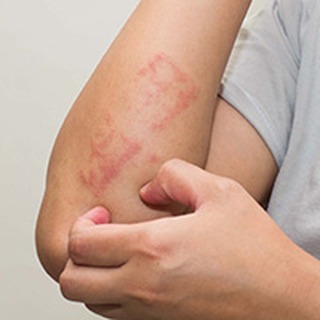
October brings its own kind of skin scares, and we don't mean costumes. The raised, red patch on a forearm or elbow that itches, spreads, or won't fade after a few days is the kind of thing patients bring to us all season. Skin eruptions like these can look dramatic, but most have a clear cause and a clear path forward once we take a closer look.
Boils are one of the more uncomfortable examples. They form when a hair follicle or oil gland becomes infected, and the area grows swollen, tender, and filled with pus. Left alone, individual boils can merge into a cluster called a carbuncle, which tends to be more painful and slower to resolve. The angry, inflamed look is the body's immune response working to contain the infection.
Shingles is a different story entirely. It stems from the same virus that causes chickenpox, which can lie dormant in the body for years before resurfacing as a painful, blistering rash. Unlike a boil, shingles often follows a band or stripe pattern along one side of the body, tracing the path of a nerve. Catching it early matters, since prompt treatment can shorten how long it lasts.
Warts sit on the more common end of the spectrum, but they still unsettle people who notice a new, rough bump appearing seemingly overnight. Caused by a viral infection in the skin's top layer, warts can show up alone or in small groups. They're rarely dangerous, but they are stubborn, and the right approach depends on where they show up and how long they've been there.
Scars tell a different kind of story. They're not an active eruption but the skin's record of one, whether from a healed boil, a past injury, or a resolved case of shingles. The texture, color, and depth of a scar depend on how the original wound healed and how deep it went. Some fade with time on their own, while others benefit from targeted treatment to soften their appearance.
What connects all four of these conditions is that they're easy to misjudge from the surface alone. A cluster of bumps might be a simple irritation or an early carbuncle. A patchy rash might be nothing, or it might be shingles starting to spread. Without a trained eye, it's hard to know which situation calls for patience and which calls for prompt care.
That's really the point of paying attention to unsettling skin changes rather than waiting them out. A boil that's lanced too early, a shingles rash left untreated, or a wart picked at repeatedly can all lead to more complications than the original issue. Getting an accurate read early on tends to make the difference between a quick resolution and a much longer recovery.
October's spooky season is a fitting excuse to look more closely at the skin conditions that genuinely do resemble something out of a horror story. But the goal isn't to be alarmed by boils, shingles, warts, or scars. It's to recognize them clearly enough to know when something needs attention now versus when it simply needs time to heal.
Draft story for derm90210.com · Sun Care
A wide brimmed hat and a visible line of sunscreen are a reminder that summer sun adds up on the skin long after the season ends.
A wide brimmed straw hat, a bare shoulder, and a thick stripe of sunscreen across the nose and cheeks. It is a familiar image at the end of summer, and it is also a useful one. That visible line of product is doing real work, and the skin around it tells its own story after a season of extended exposure to the sun.
As summer moves on, it becomes important to address the sun damage our skin has been accumulating over these months. Extended sun exposure does not resolve itself once the weather cools. It can lead to premature aging, hyperpigmentation, and it also raises the risk of skin cancer, which makes this a good moment to pay closer attention rather than move on.
Sun damage rarely announces itself right away. A day at the beach does not immediately show its effects, but the exposure adds up across weeks and months. Fine lines, uneven tone, and dark patches often surface later, once the summer is technically over. That delay is exactly why late season skin often needs more attention than early season skin, not less.
Hyperpigmentation is one of the more visible outcomes, showing up as patches or spots that are darker than the surrounding skin. It develops gradually with repeated sun exposure, which means it is easy to miss until it is already noticeable. Addressing it starts with understanding that it is a direct result of cumulative time spent unprotected in the sun, not a separate or unrelated concern.
A hat with a brim wide enough to shade the face works alongside sunscreen rather than replacing it, and the two together explain the layered approach visible in a single simple image. Covering the nose, cheeks, and forehead with product, then adding a physical barrier like a brim, targets the areas that take the most direct exposure during long hours outside.
The uneven coverage often seen right after application, a heavier patch here, a thinner one there, is a small but honest detail. It is a reminder that sunscreen only works where it is actually applied, and reapplication matters just as much as the first layer, especially as the season stretches on and outdoor time continues.
The instinct to protect skin should not end when summer calendar dates do. Skin exposed through July and August is still recovering in September, and the risks tied to that exposure, premature aging, hyperpigmentation, and higher skin cancer risk, do not disappear on their own. Continued attention matters just as much now as it did during the peak of the season.
We look at this transitional period as a chance to check in on skin that has been through a full season of sun. Reviewing changes in tone, texture, or new spots gives a clearer picture of what the summer actually did, and it puts protection and care back at the center of the routine before the next season of exposure begins.
Keep reading