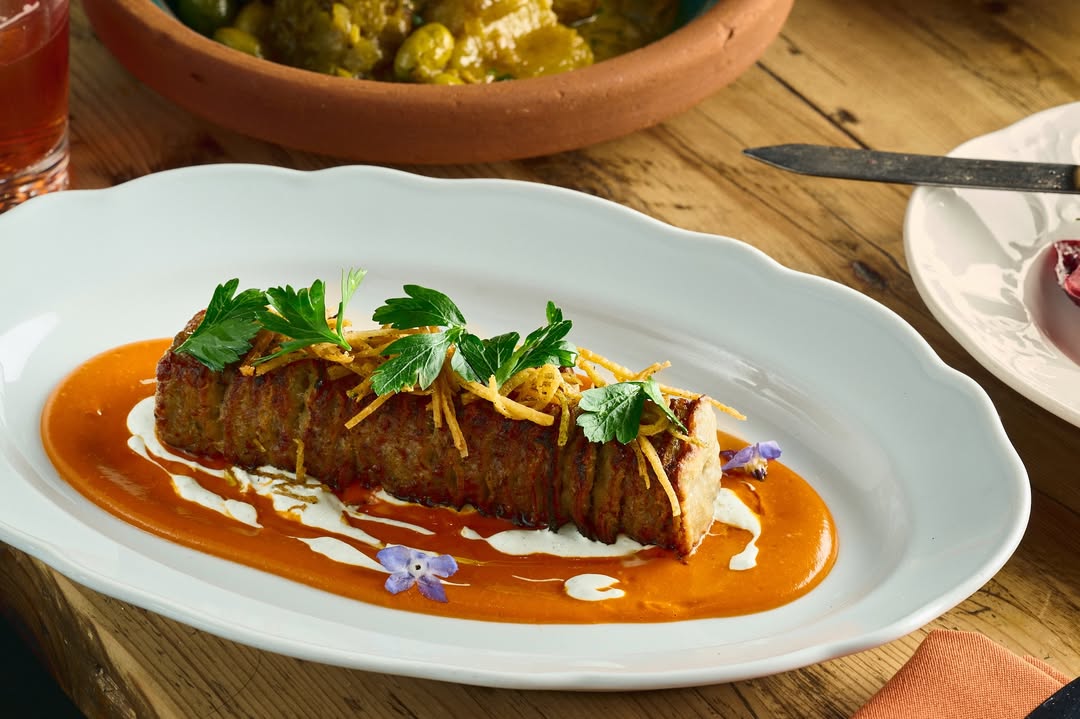
The lamb manti at Bavel is built for a knife and fork
A grilled dumpling gets plated like a main course, with tomato cream, mint creme fraiche, and borage flowers doing the finishing work.
BAVEL STAFFTurn your social into search
We turn your posts into editorial stories that bring new search traffic to baveldtla.com. Three of yours will be on this page.
Book a demo
baveldtla Grilled Lamb Manti | tomato cream, mint crème fraîche, cinnamon, borage flowers, fresh thyme #baveldtla
A grilled dumpling gets plated like a main course, with tomato cream, mint creme fraiche, and borage flowers doing the finishing work.
BAVEL STAFFHow it works
Same as today. Nothing changes on Instagram.
We turn your post into a full story in your voice within the hour.
One click publishes it to baveldtla.com. Nothing goes live without you.
Your stories
Nothing was published anywhere. You decide that. Every word will come from your own posts, your own photos and your own menu.
On The Table · From your post
A grilled dumpling gets plated like a main course, with tomato cream, mint creme fraiche, and borage flowers doing the finishing work.
“Grilled Lamb Manti | tomato cream, mint crème fraîche, cinnamon, borage flowers, fresh thyme #baveldtla”
On The Menu · From your post
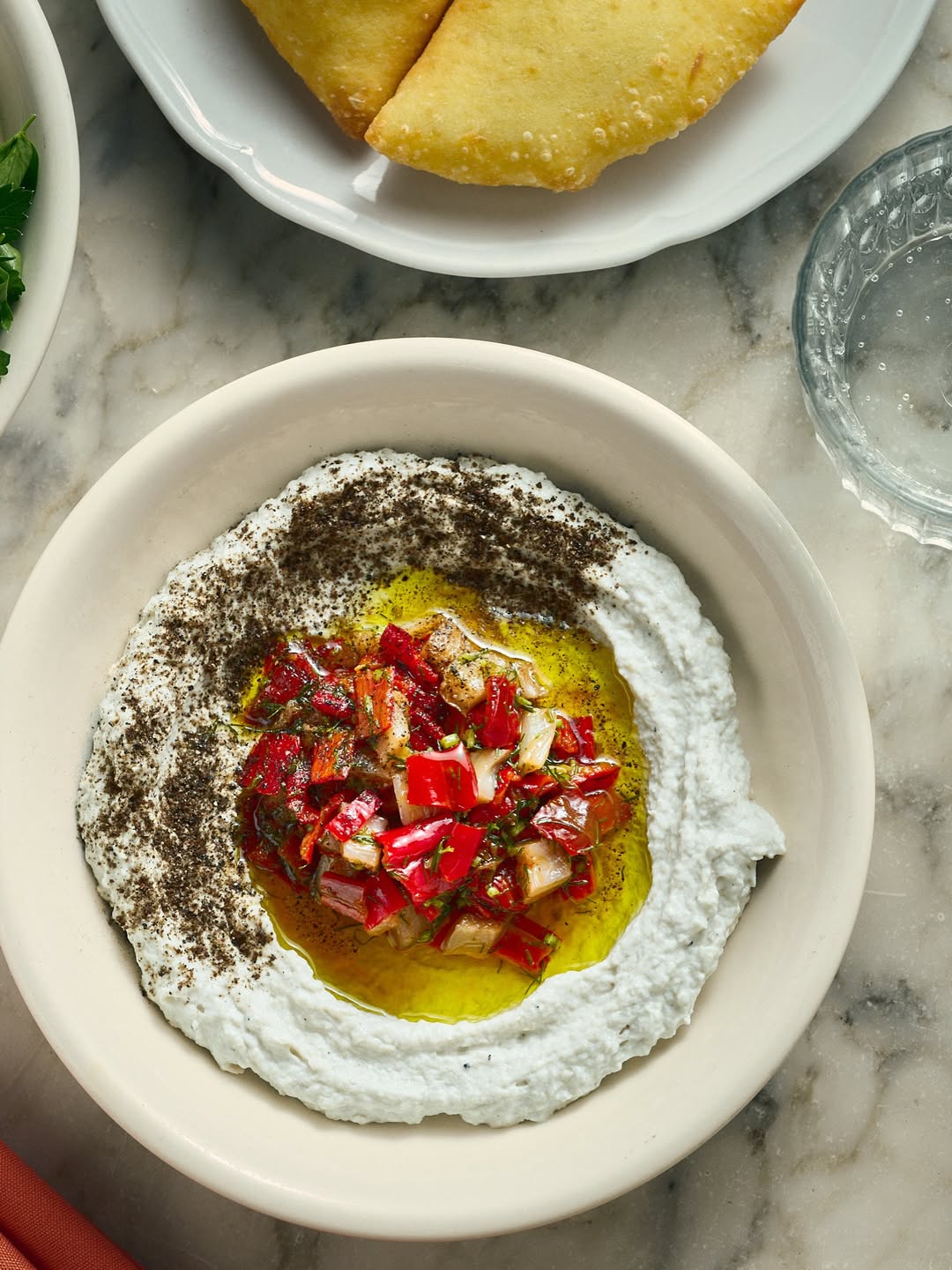
A closer look at the smoked eggplant dip that leans on jimmy nardellos, fennel escabeche, and fried pita.
“Baba Ghanoush | smoked eggplant, jimmy nardellos & fennel escabeche, dill, olive oil, fried pita #baveldtla”
From your post
One social post becomes another searchable entry point to Bavel.
Our own magazine. Clicks and citations from Google Search Console, as of September 15, 2026.
Draft story for baveldtla.com · On The Table
A grilled dumpling gets plated like a main course, with tomato cream, mint creme fraiche, and borage flowers doing the finishing work.
Manti usually shows up small, folded into little parcels meant for a spoonful at a time. Ours takes a different shape entirely. The grilled lamb manti at Bavel arrives as a single elongated log, sliced down its length and fanned open slightly, sitting the full run of an oval plate rather than scattered across it in pieces.
That shape changes how the dish reads before a fork ever touches it. Grill marks run along the top edge where the dumpling met direct heat, and the surface has the kind of char that only comes from being cooked hot and fast rather than steamed or boiled. It is a manti built to hold its own as a centerpiece, not a side note.
Underneath sits a pool of tomato cream, loosened enough to spread wide and thin across the white plate rather than clinging in a thick layer. Mint creme fraiche gets striped and swirled through it in pale ribbons, adding a cool, tangy counterpoint to the tomato base without fully mixing in, so both flavors stay distinct bite to bite.
Cinnamon sits somewhere in that same base, a warm background note rather than a dominant one, the kind of spice choice that nods toward the dish's roots without announcing itself loudly. Fresh thyme and parsley leaves are piled generously across the top of the lamb, along with thin golden strips of something fried and crisp, giving the whole plate a layer of green and crunch.
Borage flowers, small and pale purple, are set directly into the sauce rather than tucked to the side. They are edible, but their real job here is visual: a cool color against the orange red of the tomato cream, placed with enough intention that they read as part of the composition rather than an afterthought.
Serving manti this way is a choice about how people eat. A plate of small dumplings invites sharing and picking. A single sliced log plated like a protein invites someone to sit with a knife and fork and work through it slowly, tasting the char, the filling, and the sauce together in a single considered bite rather than grabbing another piece from a communal bowl.
It also changes the role of the sauce. Because the tomato cream and mint creme fraiche are spread wide rather than pooled in a small dish, every slice of lamb picks up both as it moves across the plate. The dish is built so the sauce is not a garnish you dip into occasionally, but something the lamb sits in for its entire life on the table.
In the background, a tagine of something bright green and briny waits its turn, and a butter knife rests nearby for whatever comes next. The lamb manti holds its spot at the center of the wooden table, plated the way we plate something meant to be the moment, not a warm up for it.
Draft story for baveldtla.com · On The Menu
A closer look at the smoked eggplant dip that leans on jimmy nardellos, fennel escabeche, and fried pita.
Baba ghanoush lives or dies on the eggplant, and the version we serve starts with a long smoke rather than a quick char. The result sits in the bowl pale and loose, almost cloud like, with none of the heaviness that a rushed version tends to have. It is spread wide across the plate rather than mounded, which matters once everything else lands on top of it.
Ours is not the version that stops at tahini and lemon. We finish it with jimmy nardellos and a fennel escabeche, both cut small and pooled in the center along with dill and a generous amount of olive oil. The pepper brings a mild sweetness rather than sharp heat, and the fennel keeps the escabeche bright instead of purely acidic.
The dusting of sumac around the rim is easy to miss if you are focused on the center, but it does real work. It gives the eggplant a tart edge before the escabeche ever gets involved, so the dip has structure even in the bites that come from the outer edge of the bowl, away from the peppers and oil pooled in the middle.
That contrast, plain eggplant at the rim and loaded eggplant at the center, is intentional. It means the dish changes as you eat through it. The first bite near the sumac reads smoky and slightly sour. Get closer to the middle and the olive oil, fennel, and jimmy nardellos take over, turning the same base into something looser and more savory.
The fried pita on the side is cut into triangles and served on its own plate rather than tucked against the dip. That separation is practical. Fried pita softens fast once it sits in oil, so keeping it apart until the moment it is used preserves the crunch that a warm baba ghanoush would otherwise soften within a few minutes at the table.
It also changes how the dish gets eaten. Instead of one continuous scoop, the fried pita works better as small, direct hits: a triangle dragged through the sumac, another pulled straight through the center where the escabeche and oil have collected. The dip stays the constant, and the pita becomes the tool for deciding which part of it you want first.
Baba ghanoush shows up on a lot of menus as a starter people order out of habit, something to fill the table while the rest of the meal arrives. Ours is built to hold attention longer than that. The smoke, the sumac, the escabeche, and the fried pita all give a person a reason to keep returning to the same bowl instead of moving past it quickly.
It is a small dish, but it is not a simple one. Every element on the plate, the smoked base, the peppers, the fennel, the dill, the olive oil, the sumac, the fried pita, is doing something specific rather than just decorating the surface. That is the kind of dish that rewards a second and third bite as much as the first.
Draft story for baveldtla.com
Keep reading