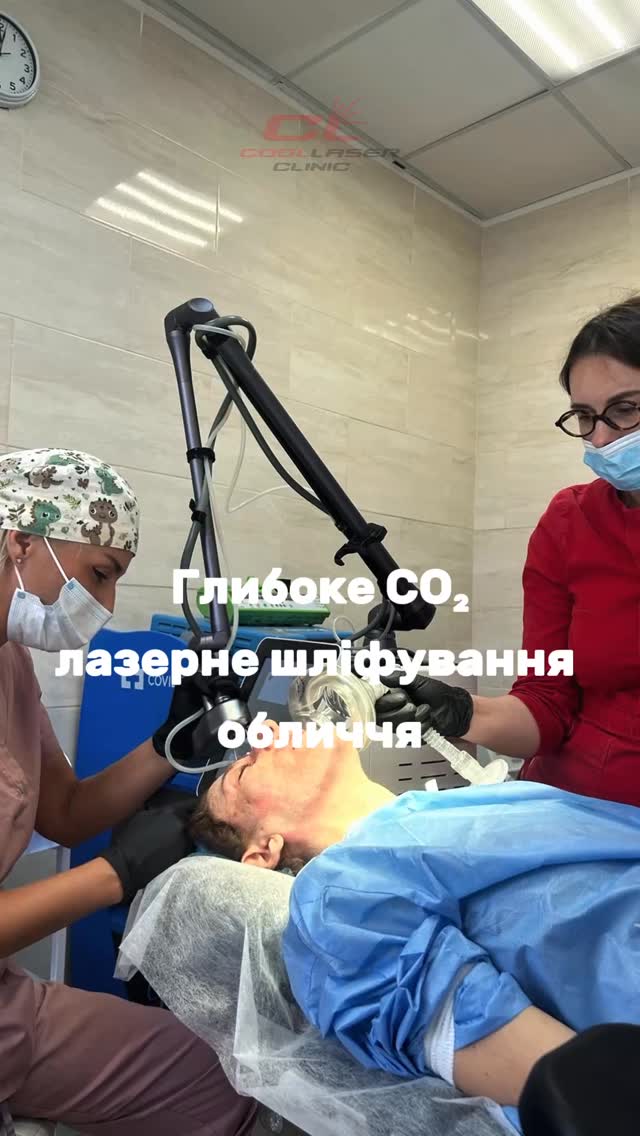
What deep CO2 laser resurfacing actually treats and how the procedure works
A closer look at the deep CO2 laser resurfacing protocol used to address acne scars, uneven texture, and fine lines.
ANAPELLI HAIR CLINIC STAFFTurn your social into search
We turn your posts into editorial stories that bring new search traffic to coolaser.clinic. Three of yours will be on this page.
Book a demo
coollaser.clinic Глибоке CO₂ лазерне шліфування обличчя застосовується для корекції рубців після акне, посттравматичних та осколкових рубців, мімічних зморшок, пігментних плям і нерівного рельєфу шкіри. Процедура сприяє інтенсивному оновленню шкіри, покращенню її текстури та стимуляції синтезу колагену. Глибоке лазерне шліфування проводиться під загальною анестезією в умовах операційної за участю лікаря анестезіолога для комфорту та безпеки пацієнта. Перед процедурою обов’язково проводяться консультація лікаря та необхідні обстеження. Тривалість і особливості реабілітації залежать від глибини шліфування та індивідуальних особливостей шкіри. Записуйтеся на консультацію, лікар оцінить стан шкіри, визначить показання та підбере індивідуальний протокол процедури. #лазернешліфування #CO2лазер #лікуваннярубців #рубціпісляакне #CoolaserClinic
A closer look at the deep CO2 laser resurfacing protocol used to address acne scars, uneven texture, and fine lines.
ANAPELLI HAIR CLINIC STAFFHow it works
Same as today. Nothing changes on Instagram.
We turn your post into a full story in your voice within the hour.
One click publishes it to coolaser.clinic. Nothing goes live without you.
Your stories
Nothing was published anywhere. You decide that. Every word will come from your own posts, your own photos and your own treatments.
Skin Resurfacing · From your post
A closer look at the deep CO2 laser resurfacing protocol used to address acne scars, uneven texture, and fine lines.
“Глибоке CO₂ лазерне шліфування обличчя застосовується для корекції рубців після акне, посттравматичних та осколкових рубців, мімічних зморшок, пігментних плям і нерівного рельєфу шкіри. Процедура сприяє інтенсивному оновленню шкіри, покращенню її текстури та стимуляції синтезу колагену. Глибоке лазерне шліфування проводиться під загальною анестезією в умовах операційної за участю лікаря анестезіолога для комфорту та безпеки пацієнта. Перед процедурою обов’язково проводяться консультація лікаря та необхідні обстеження. Тривалість і особливості реабілітації залежать від глибини шліфування та індивідуальних особливостей шкіри. Записуйтеся на консультацію, лікар оцінить стан шкіри, визначить показання та підбере індивідуальний протокол процедури. #лазернешліфування #CO2лазер #лікуваннярубців #рубціпісляакне #CoolaserClinic”
Skin Care · From your post
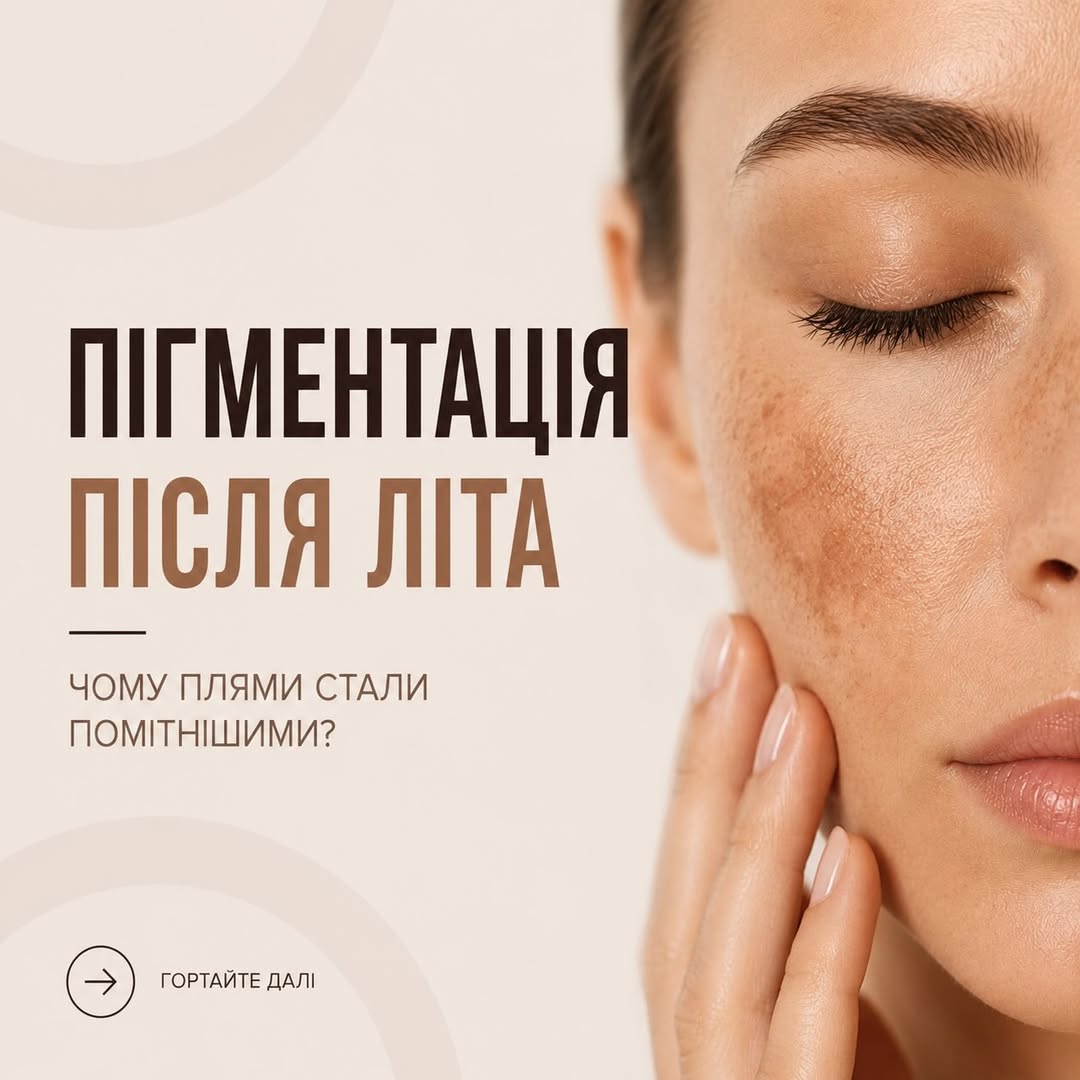
Sun exposed spots often deepen after summer, and IPL phototherapy offers a way to address them with minimal downtime.
“Після літа пігментація часто стає помітнішою. існуючі плями темнішають, можуть з’являтися нові. IPL фототерапія. метод корекції пігментації за допомогою інтенсивного імпульсного світла. Світлова енергія поглинається пігментом і сприяє його поступовому руйнуванню та вирівнюванню тону шкіри. Процедура комфортна, займає від 20 хвилин і має мінімальний період відновлення. Для підбору індивідуальних параметрів процедури запишіться на консультацію. 📞 068 938 03 03 #IPLФототерапія #Пігментація #ПігментніПлями #Фототерапія #CoolaserClinic”
Clinical Care · From your post
A look at how our clinical team approaches mesenchymal stem cell therapy for conditions like Parkinson's and Alzheimer's.
“У Coolaser Clinic проводиться лікування нейродегенеративних захворювань із застосуванням мезенхімальних стовбурових клітин. До таких захворювань належать хвороба Паркінсона, хвороба Альцгеймера та інші патології нервової системи. Наші лікарі індивідуально оцінюють кожен клінічний випадок і підбирають тактику лікування. Запишіться на консультацію. #СтовбуровіКлітини #КлітиннаТерапія #Паркінсон #альцгеймер #CoolaserClinic”
One social post becomes another searchable entry point to Anapelli Hair Clinic.
Our own magazine. Clicks and citations from Google Search Console, as of September 15, 2026.
Draft story for coolaser.clinic · Skin Resurfacing
A closer look at the deep CO2 laser resurfacing protocol used to address acne scars, uneven texture, and fine lines.
Deep CO2 laser resurfacing is one of the more involved procedures we perform, and it is built for skin that needs more than a surface treatment. We use it to address acne scarring, posttraumatic and shrapnel type scars, fine expression lines, pigmented spots, and an uneven overall texture that will not respond to lighter treatments alone.
The way it works is straightforward in principle even though the results run deep. The laser prompts an intensive renewal of the skin, encouraging the tissue to rebuild its texture from within. That process also stimulates collagen synthesis, which is part of why the effects continue to develop well after the appointment itself has ended.
Because the resurfacing goes deep, we perform this procedure under general anesthesia rather than a topical numbing agent. It takes place in an operating room setting, with an anesthesiologist present throughout. That level of oversight is there for one reason: to keep the patient comfortable and safe during a procedure that goes well beyond a routine in office treatment.
This is not a walk in service, and it is not meant to be. The setup reflects how seriously we treat the depth of the resurfacing and the anesthesia it requires. Every part of the room, from the equipment to the additional physician present, is oriented around managing that intensity carefully rather than rushing through it.
No one goes straight into this procedure. A consultation with a physician comes first, along with the evaluations needed to understand the condition of the skin being treated. That groundwork determines whether deep resurfacing is the right approach at all, and it shapes how the treatment itself will be calibrated once the patient is in the operating room.
Recovery is not identical from one patient to the next. How long it takes and what it involves depends on how deep the resurfacing goes and on the individual characteristics of the skin itself. Two people treated for similar concerns, such as scarring or pigmentation, may still follow different reabilitation timelines depending on how their skin responds.
The path into this procedure begins with a consultation, not with a scheduled treatment date. During that visit, the physician evaluates the current state of the skin, identifies whether deep CO2 resurfacing is indicated, and builds a protocol suited to that specific case rather than applying a single standard approach to every patient who walks through the door.
If acne scarring, old injury scars, fine lines, or pigmentation are concerns that have not responded to lighter options, that consultation is where the conversation starts. We evaluate the skin first and only then determine what depth of resurfacing, and what kind of protocol, makes sense for the results being sought.
Draft story for coolaser.clinic · Skin Care
Sun exposed spots often deepen after summer, and IPL phototherapy offers a way to address them with minimal downtime.
Summer leaves more than a tan behind. Once the season passes, we hear the same thing from clients walking through our doors: the spots they barely noticed in June suddenly look darker and more defined by September. Existing pigmentation deepens, and in some cases new marks appear where skin was exposed to sun for months without enough protection or attention.
This is not unusual and it is not permanent. Pigment sits closer to the surface than people expect, which is exactly why it responds so visibly to sun and just as visibly to the right kind of light based treatment. Understanding why the spots darkened is the first step before deciding what to actually do about correcting them.
IPL phototherapy works by delivering intense pulsed light that the pigment itself absorbs. That absorbed energy gradually breaks down the concentrated melanin sitting in the skin, which is what causes visible spots in the first place. Over time and with the skin's natural turnover, tone becomes more even as the treated pigment clears rather than staying locked in place on the surface.
It is a targeted approach rather than a broad one. The light energy is drawn specifically to areas of concentrated pigment, which is why IPL is used for correcting sun spots and similar discoloration rather than treating the whole face uniformly. The surrounding skin is largely unaffected while the pigmented areas absorb the energy and begin their gradual breakdown.
One of the more practical details is time. A session takes about twenty minutes, which makes it realistic to fit around a regular schedule rather than requiring a day set aside. The recovery period afterward is minimal too, so there is no lengthy downtime standing between the appointment and getting back to normal daily activities.
That combination of short treatment time and quick recovery is part of why IPL fits so naturally into post summer skin correction. Clients are not choosing between a long commitment and doing nothing about pigmentation. A twenty minute session with limited recovery makes addressing darkened spots a far more manageable decision than it might initially sound.
Every case of pigmentation is different, which is why we do not treat it as one size fits all. The intensity and settings used during an IPL session need to be matched to the individual's skin tone and the depth of the pigment being addressed. That calibration is what determines both the comfort of the procedure and how effective the results end up being.
A consultation is where those individual parameters get worked out before any treatment begins. If the spots that darkened over summer are bothering you or simply more visible than you would like, book a consultation with us to discuss what IPL phototherapy looks like for your specific skin. Reach us directly at 068 938 03 03.
Draft story for coolaser.clinic · Clinical Care
A look at how our clinical team approaches mesenchymal stem cell therapy for conditions like Parkinson's and Alzheimer's.
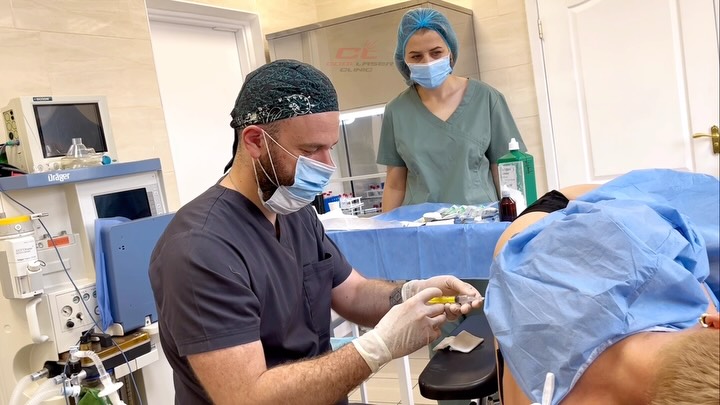
In a treatment room lined with monitoring equipment, a physician prepares an injection while a nurse stands ready nearby and a patient rests on the table, draped and positioned for a procedure already underway. This is where our work on neurodegenerative disease happens, not in the abstract but in careful, repeated clinical steps taken one at a time.
At Coolaser Clinic, we treat neurodegenerative diseases using mesenchymal stem cell therapy. This category includes conditions such as Parkinson's disease, Alzheimer's disease, and other disorders of the nervous system, all of which progressively affect how the brain and body communicate over time, often in ways that differ significantly from patient to patient.
These are not conditions with a single shared presentation. Parkinson's affects movement and coordination. Alzheimer's affects memory and cognition. Other nervous system disorders bring their own patterns of decline, their own pace, and their own daily impact. Grouping them under one clinical umbrella does not mean treating them identically, which is precisely where our process begins.
Our doctors evaluate every clinical case individually before deciding on a treatment approach. There is no default protocol applied across the board regardless of diagnosis. A diagnosis is a starting point for questions, not an answer that automatically dictates the same plan for every patient who walks through the clinic door.
That evaluation shapes the tactic of treatment itself, meaning the specifics of how mesenchymal stem cell therapy is administered are decided case by case rather than in advance. The room pictured here, with its monitors, its sterile trays, and its quiet coordination between physician and nurse, reflects a process built around one patient at a time, not a fixed routine.
Multiple monitoring devices sit within reach, a nurse in scrubs and a surgical cap watches closely, and the physician works with gloved precision over a small vial before the injection. Nothing about the space suggests improvisation. It is a controlled clinical environment built for a therapy that depends on accuracy, attentiveness, and coordination at every stage of the procedure.
Because treatment tactics are chosen individually, the consultation is the point where that individual evaluation actually starts. It is the step where a doctor reviews a specific case before anything else is decided, which matters most for conditions like Parkinson's and Alzheimer's that vary so widely in how they present and progress from one patient to the next.
If you or someone you know is living with a neurodegenerative condition and wants to understand the options, a consultation is where that conversation begins. We evaluate each case on its own terms, weighing the specifics in front of us, and that individual assessment is what determines the treatment path from that point forward.
Keep reading